

Why We’re Swapping Resistive Heating for Infrared in the Smart Fab
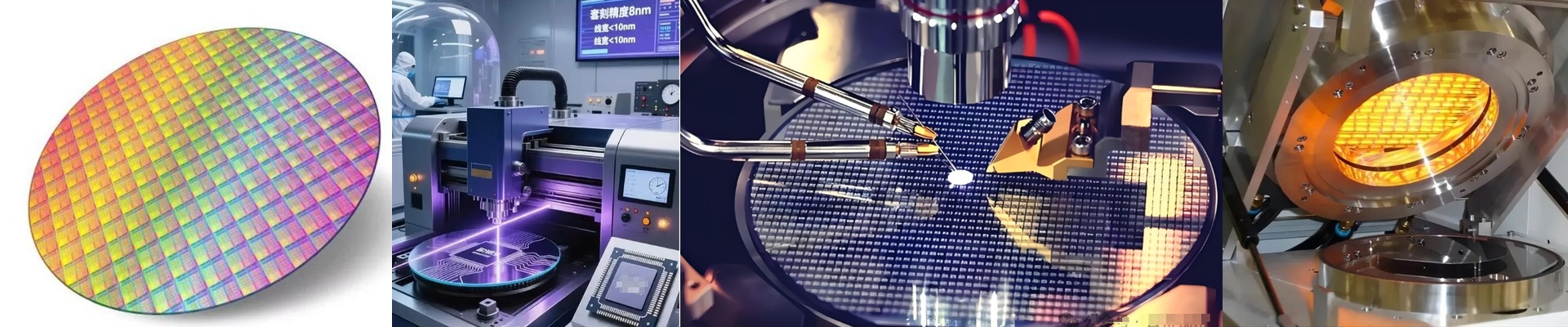
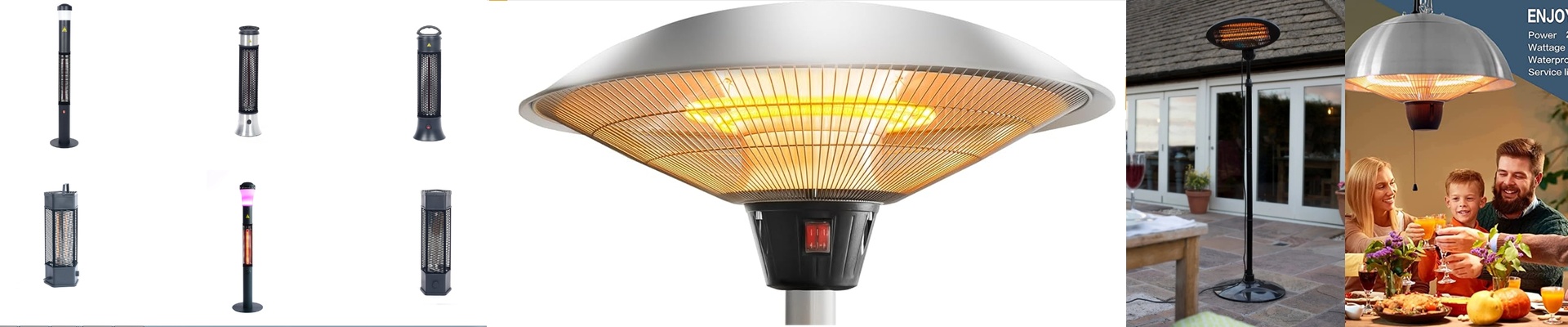
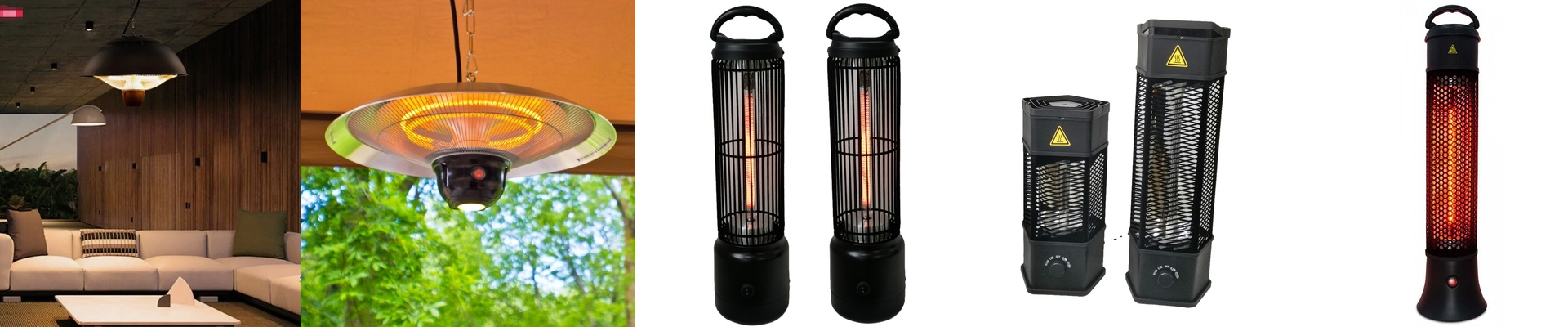
If you’re planning a smart Fab, you’ve probably realized that those old-school resistive heaters are just holding you back. They’re clunky. We’ve moved over to high-efficiency infrared (IR) systems because they actually play nice with a digital setup. It’s non-contact, it’s precise, and it just fits the way we work now.
The problem with “Thermal Inertia”
Here’s the thing about traditional heaters: they’re slow. They take forever to heat up and even longer to cool down. In a world where we need data-driven production, that lag is a nightmare. IR changes that. You can tweak the power in real-time. Your PLC sees a sensor reading and adjusts the heat instantly. No waiting around. Plus, it shrinks the size of your heating zone, which means you stop throwing energy away.
Getting the data you actually need
Digitalization is really just a fancy word for control. When you plug in an IR system, you can suddenly see exactly how heat is spreading across the wafer surface. You can track the energy used for every single wafer. That info goes straight into your MES. It’s a lifesaver because you’ll spot a thermal drift and fix it before you end up scrapping an entire batch.
The tricky parts (The Engineering Reality)
It’s not all plug-and-play, though. High-density IR arrays are fast, but they’re hungry for power. You can’t just toss them into an old electrical cabinet and hope for the best. You’ll need to make sure your power supplies can handle the fast switching of PWM controllers. And a heads-up: watch your cooling. If your system isn’t sized for the reflected radiation, you’ll feel that heat creeping into your electronics, and that’s where things get messy. At the end of the day, it comes down to the physics. Faster response, less waste, and a direct line to your digital tools. That’s why we’re seeing IR become the go-to for the next generation of wafer processing.