



Stop Buying “Disposable” Waterproof Heaters
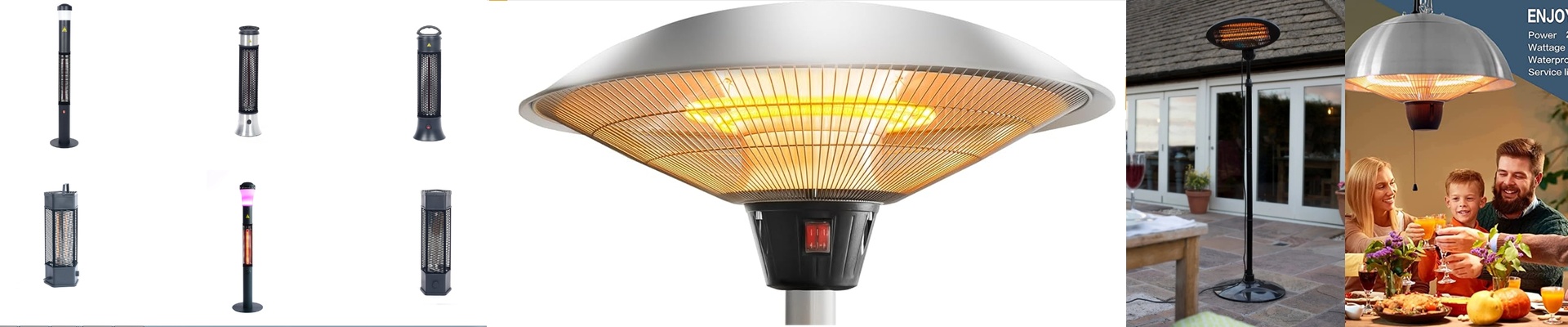
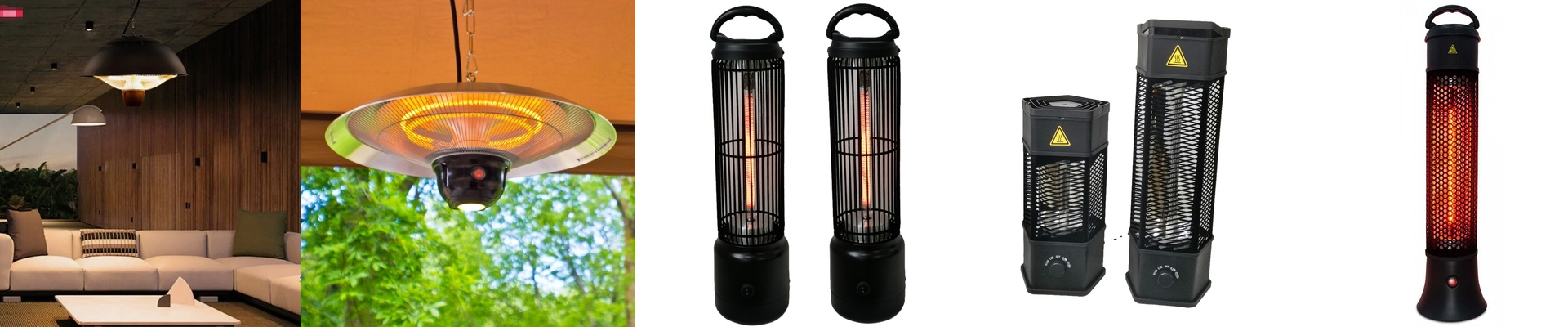
Most companies obsess over the IP65 rating. They’ll tell you their heaters are totally waterproof and dust-proof, which is great—until five years pass and a single heating element burns out. If your heater is just one big, sealed metal box, you’re in trouble. Replacing one tube means ripping out the entire chassis and messing around with the junction box wiring. It’s a nightmare. We decided to do things differently. We went with a modular setup. The “Cassette” Approach Think of our infrared modules like cassettes. Instead of hard-wiring everything into one giant hub, the heating tubes sit in a frame that slides right out. If a tube dies, you don’t have to rebuild the whole machine from scratch. You just pull the faulty module, swap the element, and slide it back in. It turns a grueling four-hour teardown into a ten-minute job. It’s a huge relief when you’re on a deadline. The Waterproof Balancing Act Keeping a heater watertight while making it easy to take apart is tricky. To make it work, we use compression gaskets and threaded cable glands. They keep the water out, but they do limit how the air moves. Because the IP65 housing blocks some of that natural airflow to protect the electronics, you just need to make sure you leave enough breathing room during installation. Give it some space so the casing doesn’t get too hot. Real-World Wear and Tear Industrial sites are brutal. Between the oxidation and the constant heating and cooling, things eventually wear out. That’s just physics. That’s why we’re big on the “drop-in replacement” philosophy. No on-site soldering. No confusing wiring diagrams. You just unplug the quick-connect terminals and pop in a new module. It keeps the heat running and means you don’t have to store a mountain of spare parts in your warehouse. Simple.