
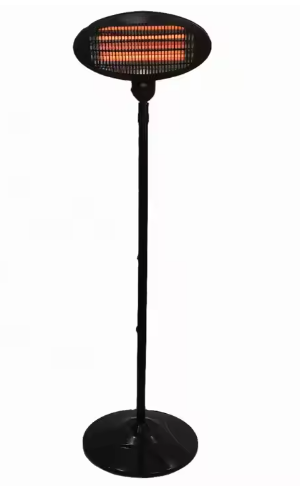
Let’s Talk About Bathroom Heaters (and Why They Shouldn’t Blind You)
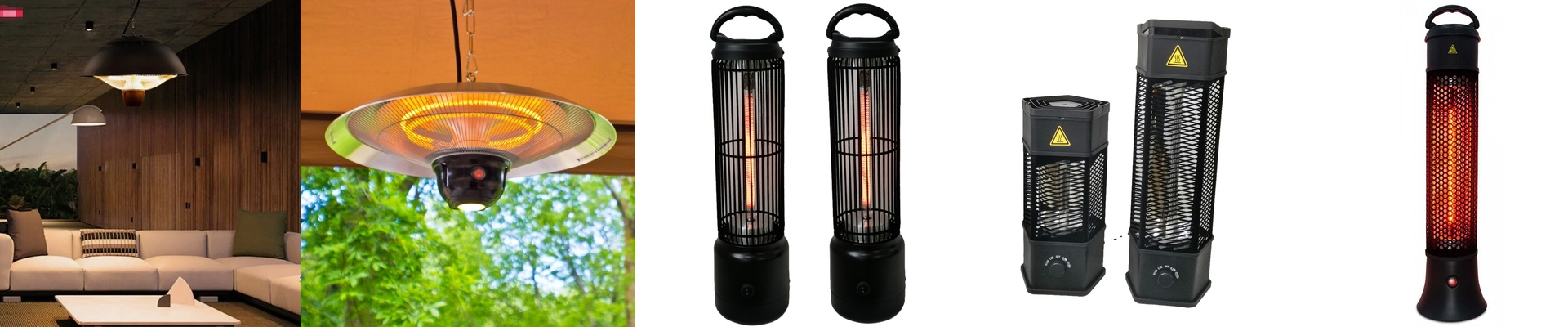
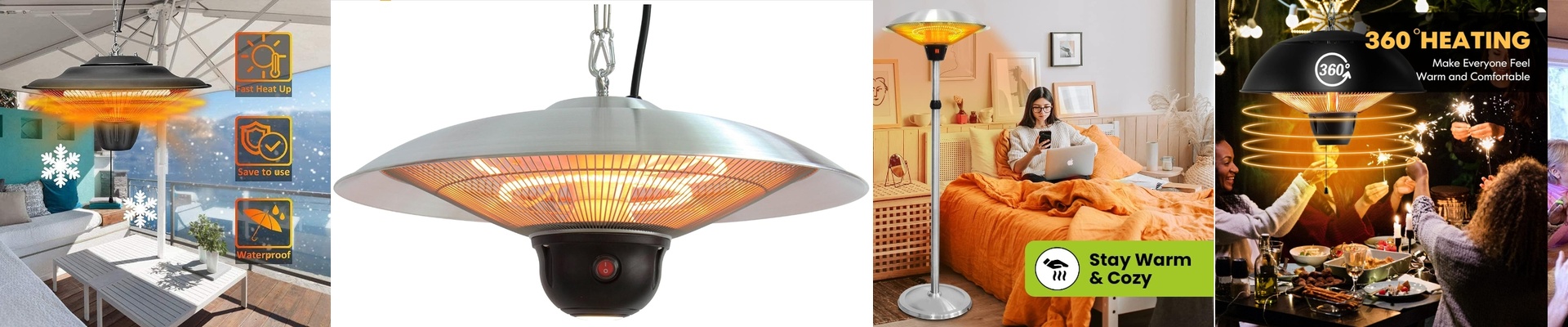
Most infrared lamps have a annoying habit: they dump a ton of bright light and UV radiation right along with the heat. If you’re in a bathroom—especially if you’ve got a baby in the tub—that glare is a nightmare. Nobody wants a blinding spotlight shining in a newborn’s eyes while they’re trying to get warm. To fix this, we basically tweak how the quartz heating element behaves. Keeping it easy on the eyes Standard short-wave lamps can be legitimately blinding. To stop that, we mix certain materials into the quartz glass or add a special coating. Think of it like a filter. It knocks out those harsh blue-light peaks and dials down the brightness. The result? You still get all that cozy thermal energy hitting your skin, but without the blinding white light. It’s much gentler, which is a big deal for a baby’s developing eyes. Dealing with the steam Bathrooms are wet. Really wet. So, the seal on these things has to be bulletproof. We use high-temperature silicone gaskets and IP-rated housings to make sure moisture doesn’t sneak in and fry the electrical contacts. The lamps use your normal home voltage, but we cap the wattage. We don’t want the actual casing of the fixture getting too hot to touch. Plus, we use high-purity quartz tubes. They can handle the “shock” of turning on in a freezing, damp bathroom without just cracking under the pressure. The trade-off Here is the honest truth: you can’t have a totally “invisible” heater that still puts out massive heat. There’s always a bit of a tug-of-war between how much light comes out and how much heat you get. If we filter out too much light, the heater loses some of its punch. It’s all about finding that sweet spot where the room actually feels warm, but the light doesn’t feel like a surgical suite. One last thing—please, wire this into a dedicated GFCI circuit. Water and high-wattage heaters are a dangerous mix, and it’s just not worth the risk.