
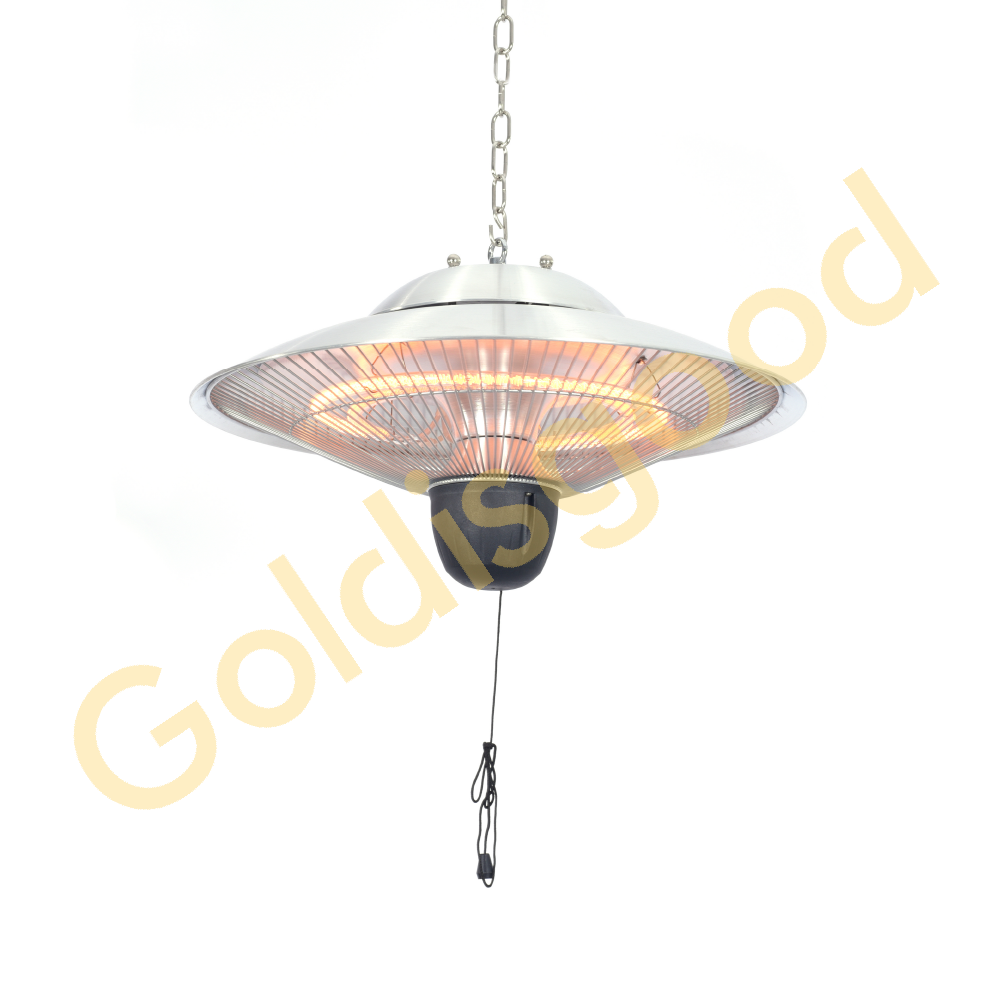
Why you should swap those old bathroom heat lamps for high-IP infrared heaters
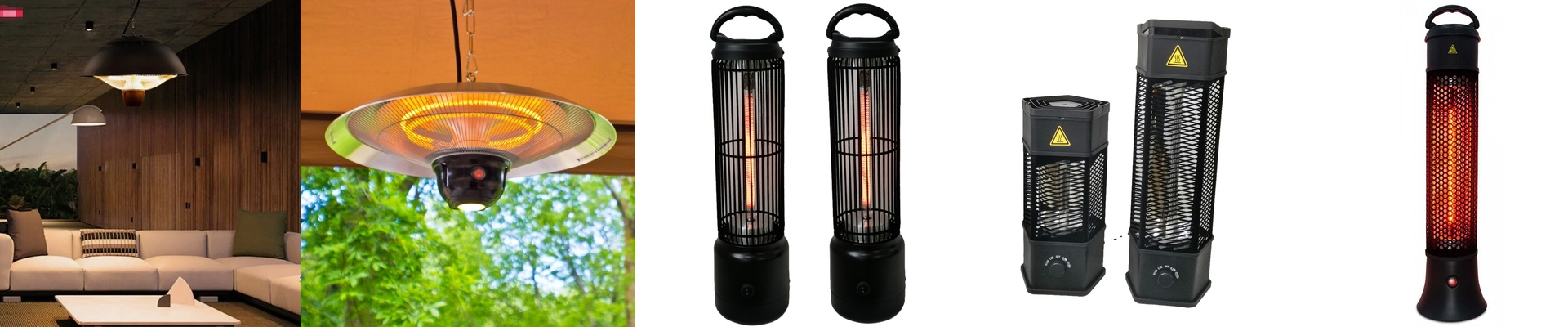
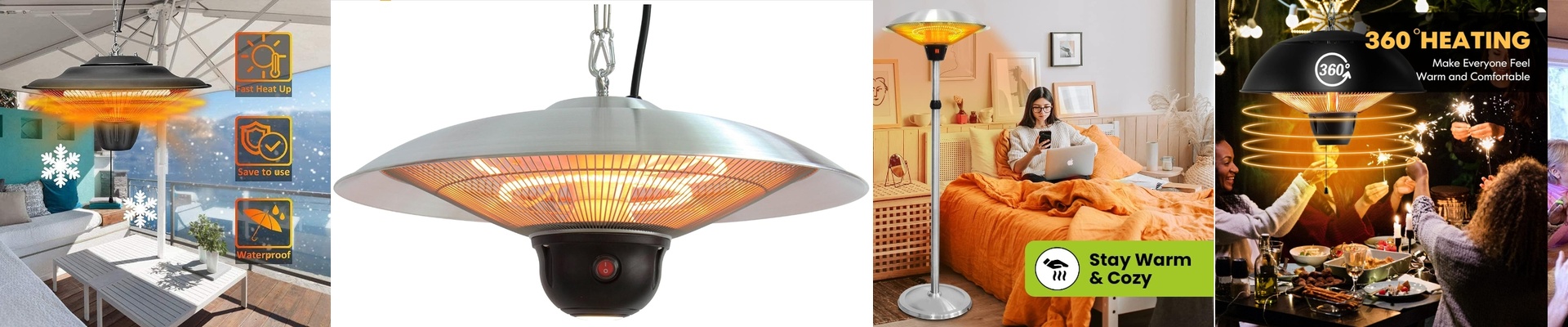
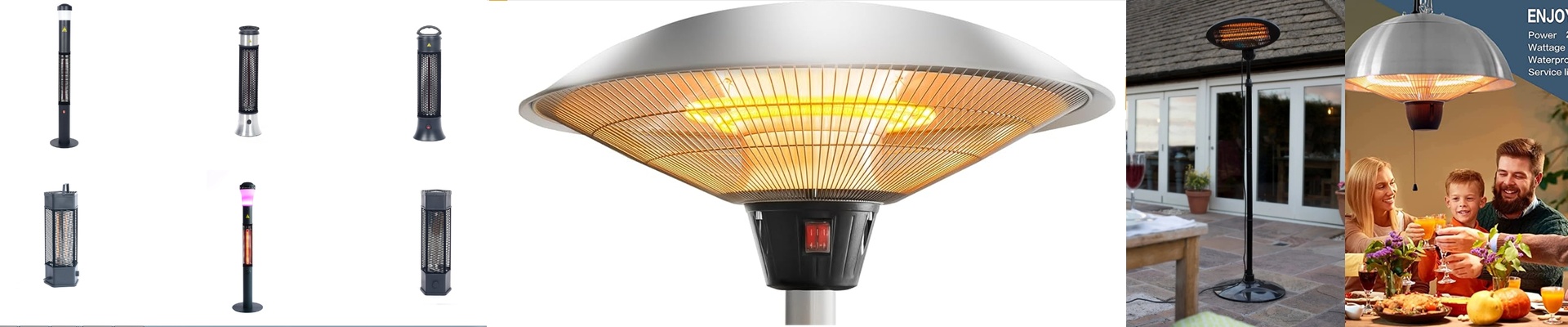
We’ve all been there. You step out of a hot shower into a freezing bathroom, and that old-school heat lamp is doing… well, nothing. Those basic units just can’t handle the steam. They aren’t sealed right, and in a room full of humidity, they basically just give up. That’s why more people are switching to waterproof infrared heaters. They aren’t just “lamps”; they’re sealed systems built to take a hit from direct steam and the occasional splash without breaking a sweat. The difference in how they actually feel Here is the thing about standard heaters: they try to warm up the air. But warm air is lazy—it floats straight to the ceiling. You’re left shivering on the bathmat while the ceiling is toasty. Infrared is different. It doesn’t mess with the air; it sends out waves that hit your skin and the floor directly. It’s like stepping into a patch of sunlight on a cold day. You feel that warmth the second you flip the switch. No waiting around. The “scary” stuff: Water and Electricity When you’re putting electronics in a room full of water, the IP rating is the only thing that actually matters. Cheap heaters let steam leak into the guts of the machine. That leads to corroded wires or, worse, a short circuit. We use heavy-duty gaskets and sealed casings to keep the moisture out. It’s not just about safety, either. If a drop of water hits a red-hot quartz tube, the glass can literally crack from the shock. Keeping the internals dry keeps the heater alive. A few things to watch out for Most of these are designed to drop right into your existing ceiling mount, which keeps things clean. But before you buy one, check your electrical panel. These infrared elements pull a lot of power. If your house has ancient wiring, you might trip the breaker the moment you turn it on. It’s worth double-checking your bathroom’s amperage first. And one last tip: make sure your exhaust fan is actually working. Since the radiant heat handles the “feeling” of warmth, you still need a fan to pull the damp air out so the room doesn’t feel like a sauna.