
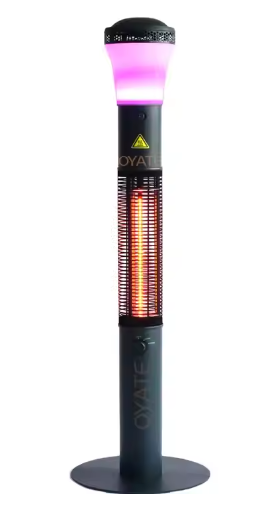
Why Your Bathroom heater Should Do More Than Just Warm Your Toes
Most people think of a bathroom heater as a simple “on/off” switch for warmth. But we looked at it differently. We wanted to build something that doesn’t just make the air feel cozy, but actually tackles the gross stuff—like that stubborn dampness and the mold that loves to creep into the corners.
Dealing with the Damp
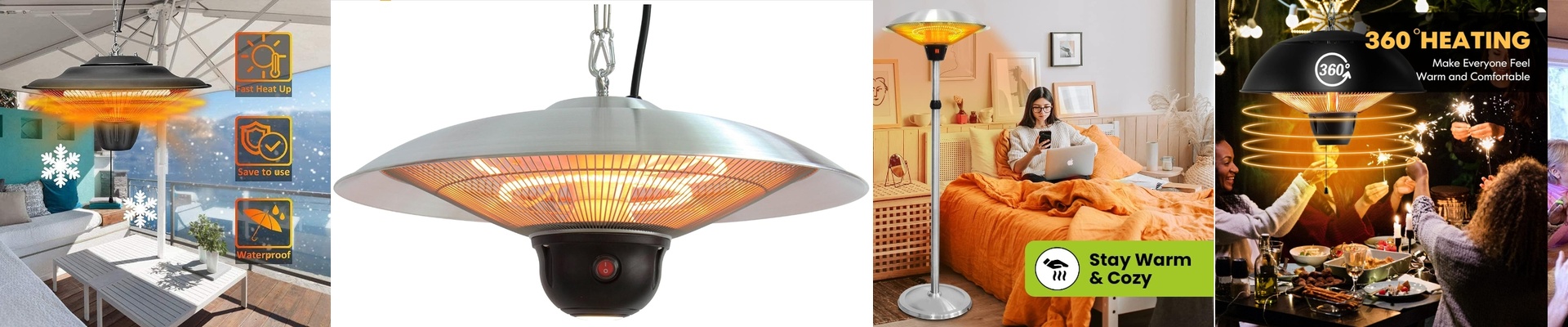
Here’s the thing about standard heaters: they just warm the air. That’s fine, but it doesn’t really help the walls. Our lamps use short-wave infrared radiation. In plain English? The heat actually sinks into the damp surfaces of your walls and ceiling. It gets the water molecules moving and pushes them out. It’s basicallyactive drying. By keeping your walls warm enough, you stop condensation from ever starting. And since mold needs moisture to survive, you’re essentially starving it out.
The Nitty-Gritty Stuff
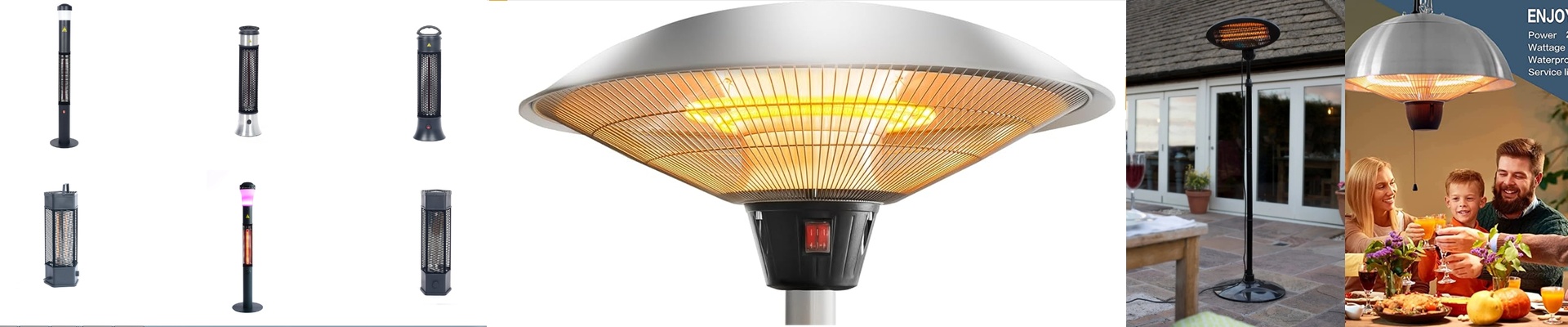
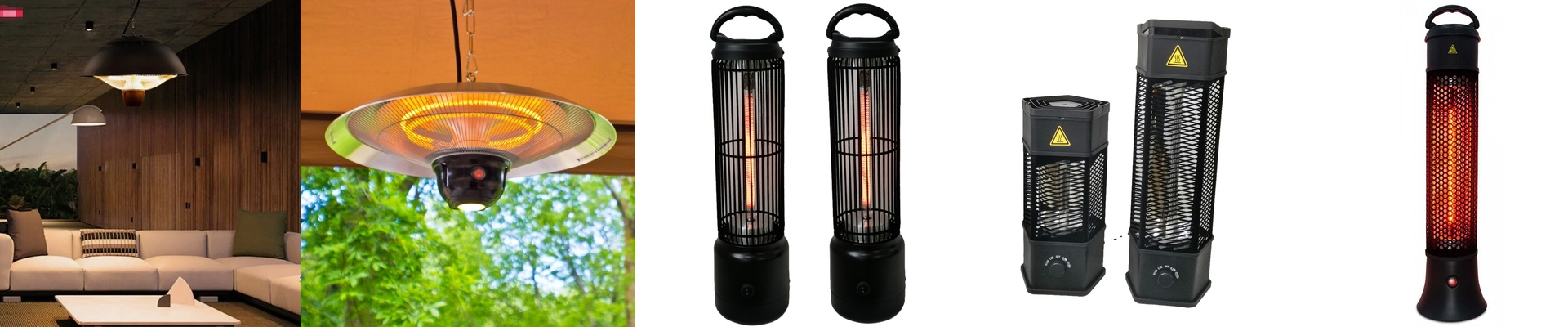
Since this is going in a bathroom, we didn’t mess around with the build. We sealed the heating elements in high-purity quartz glass so they don’t rust or wear down. We also used IPX4-rated housings, which is just a fancy way of saying your shower splashes won’t blow a fuse or short the whole system. Depending on how big your bathroom is, you’ll want different wattage. But the goal is always the same:heat density. You want that quick burst of warmth that clears the steam out of the room the second you step out of the shower.
A Few Things to Keep in Mind
Now, it’s not all magic. There are a couple of trade-offs. Short-wave lamps are bright. Like, really bright. If you put one in a tiny shower stall without a diffuser, the glare can be a bit much. We usually suggest a specific height and angle so you get all the heat without feeling like you’re under a stadium spotlight. One last tip: check your electrical panel. These lamps pull a decent amount of power to get that rapid heat, so make sure your circuit can handle the load. You don’t want to be halfway through a towel-dry when the breaker trips.