


Stop Letting Your Heating Elements Kill Your Wafer Yields
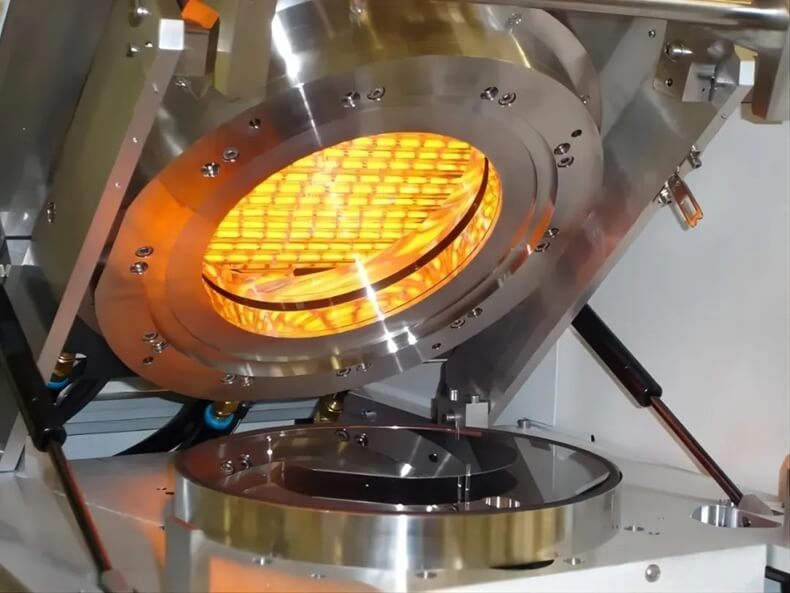
If you’re running a Class 100 cleanroom, you already know the nightmare. One tiny flake of coating or a bit of chemical gas leaking from a lamp, and your yields tank. It’s frustrating. You’ve spent a fortune on the environment, only to have a standard IR lamp ruin the batch. We figured out a way to stop that. We switched to high-purity synthetic quartz for our semiconductor-grade lamps. No shedding. No surprises. The deal with purity Most lamps use cheap adhesives or seals that basically start “smoking” once they hit 600°C. That’s where the contamination comes from. We just got rid of those materials entirely. We use fused silica with almost zero metallic impurities. This is huge because it stops that annoying “ghosting” effect—you know, when impurities migrate to the surface under high heat. Our seals are built to handle the constant heating and cooling without cracking or spitting out carbon particles. Heat where it actually matters These lamps blast high-intensity shortwave radiation. The beauty of this is that you’re heating the substrate itself, not the air in the entire chamber. It’s fast. Really fast. Because they ramp up so quickly, your HVAC system doesn’t have to work overtime to fight the heat. It gives you the kind of pinpoint control you need for things like wafer dehydration or baking photoresist. A few things to watch out for Look, high-purity quartz is amazing for heat, but it’s brittle. It can’t take a hit. If your machine vibrates during startup or shutdown, the tube can snap. Make sure your mounting brackets are dampened. I can’t stress that enough. Also, these things get incredibly hot to meet semiconductor specs. Double-check your cooling manifolds. If they aren’t sized right, your lamp sockets will literally melt. If you’re looking to swap out your current arrays, these are designed to be drop-in replacements. Just check your length and wattage, and you’re good to go.