
Getting MEMS Wafers Dry Without the Headache
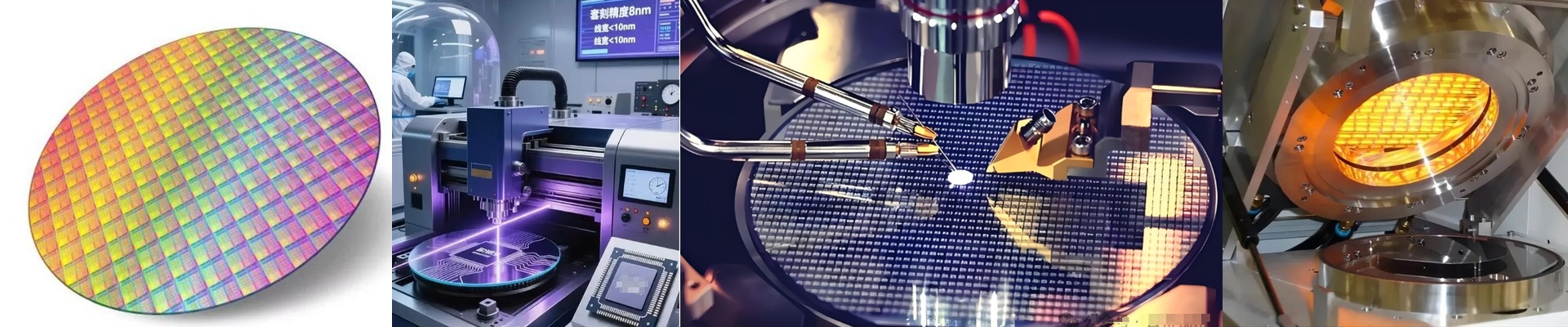
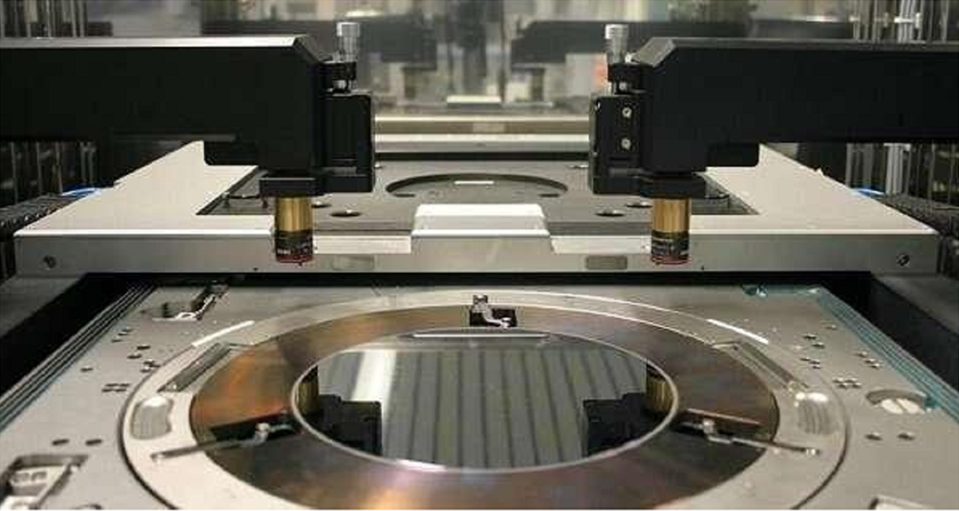
When you’re drying MEMS sensor wafers, you’re basically playing a high-stakes game of “don’t break the sensor.” You need the moisture gone, but you can’t leave any gunk behind, and you definitely can’t put enough mechanical stress on the wafer to warp it. That’s why we lean on short-wave infrared (IR) heaters. Instead of trying to blow hot air around (convection), IR uses radiation. It’s a more direct approach. We’re basically talking straight to the water molecules on the wafer surface and telling them to move.
Cleaning up the process
Old-school drying is usually a mess. You’re either dealing with nasty chemical solvents or these massive, power-hungry forced-air systems that sound like a jet engine and leak VOCs everywhere. IR is different. It’s a “dry” process. No leaking chemicals, no lead-based catalysts—just light and heat. And here’s the cool part: we target the specific absorption bands of water. We aren’t wasting electricity heating up the vacuum chamber or the metal frame of the machine. We only heat the thing that actually needs to be heated. It’s lean, and it’s a lot kinder to the planet.
The balancing act
Now, it’s not all magic. To get water to evaporate fast, we use high-wattage quartz lamps. They hit the wafer with an instant thermal punch. But that power is a double-edged sword. If your timing is off by even a few seconds, you can fry your MEMS structures or snap a sensor membrane. It’s a tight window. To keep things from going south, you need a rock-solid PID controller and shutters that snap shut the moment the job is done.
Saving space in the lab
One of the best parts? Your floor plan. Since we aren’t using bulky ducts or giant blowers, the drying station shrinks. We can just tuck the heating array right above the wafer carrier. It makes the whole machine smaller. It makes the cleanroom easier to manage. And it hits those energy-saving targets without slowing down your production line. It’s just a more sensible way to build a tool.