
Stop Baking Your Equipment: A Better Way to Grow CNTs
If you’ve ever worked with carbon nanotube (CNT) fabrication, you know the struggle with heat. Most heaters just blast energy everywhere. It’s like trying to light a candle with a flamethrower—you get the heat you need, but you also end up heating up the entire machine chassis. It’s a mess. Your expensive semiconductor tools basically become giant heat sinks. Not only is it a waste of power, but it’s also a safety nightmare for anyone standing nearby. That’s why we switched to directional infrared (IR) heating.
How it actually works
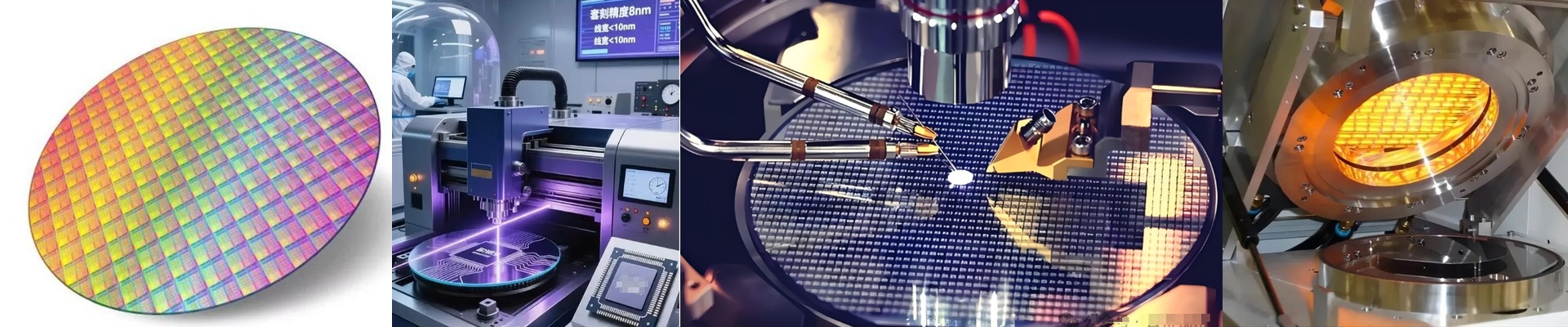
Think of it this way: instead of turning the whole chamber into an oven, we’re using a spotlight. By using short-wave IR lamps, we stop relying on the air to move the heat (convection) and start using radiation. The energy moves in a straight line. It hits the substrate, does its job, and stays there. You get those fast ramp-up speeds you need for CNT growth, but your internal electronics aren’t being cooked alive in the process.
The practical side of things
We set these lamps up to hit very specific thermal zones. By tightening the emission angle, we concentrate the heat exactly where it belongs. The best part? The outer casing of your tool stays cool. You don’t have to spend a fortune over-engineering cooling jackets or installing massive, noisy exhaust fans just to keep the machine from melting down. It just feels… cleaner.
The catch (because there’s always one)
Now, this isn’t “plug and play” magic. High-intensity lamps put a real strain on your power supply. And you have to be**obsessive**about positioning. If your lamp is off by even a few millimeters, you’ll see uneven growth across your CNT film. It’s frustrating, but it happens. Your mounting brackets need to be rock solid. Any vibration or slight shift in the lamp’s footprint creates cold spots on the substrate, and then you’re starting over. To keep things from getting out of hand, we suggest pairing the heaters with a closed-loop PID controller. It stops that annoying thermal overshoot during the initial heat-up, so you don’t accidentally blow past your target temperature.