
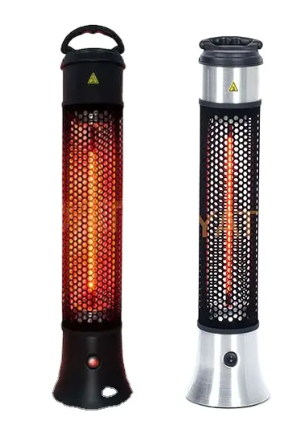
How to Stop Freezing in the Changing Room: The Lowdown on SWIR Heaters
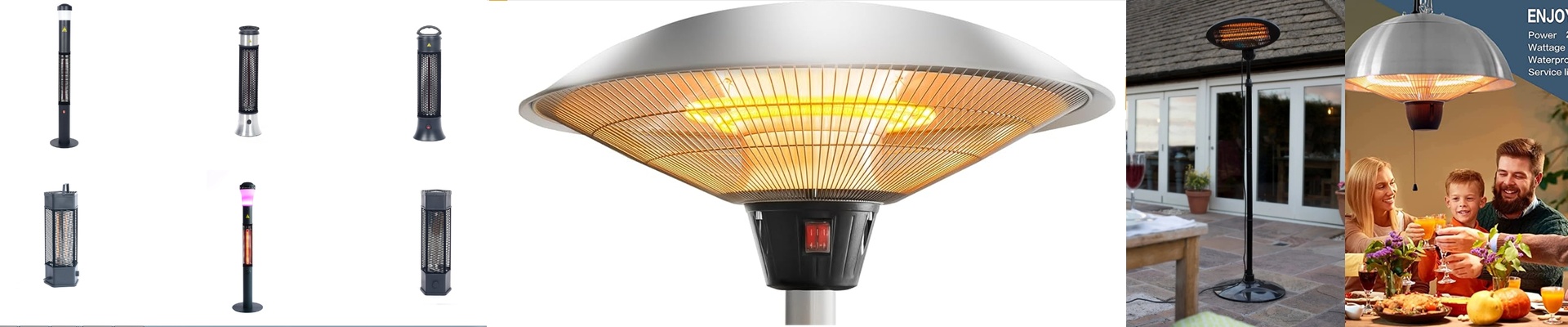
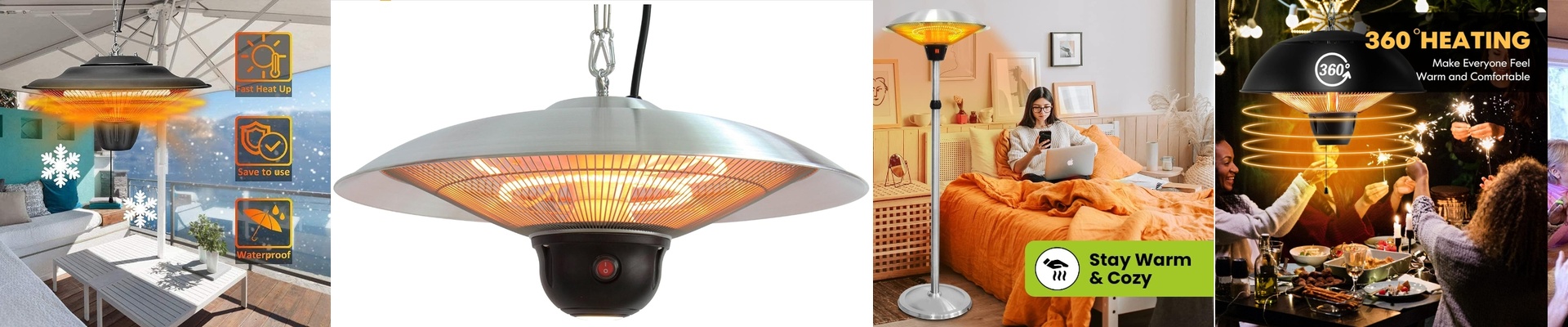
Nobody likes stepping into a freezing changing area. It’s miserable. If you want to turn a cold zone into a warm one in a matter of seconds, you need shortwave infrared (SWIR). Here is the secret: most heaters try to warm up the air. But air is stubborn and takes forever to heat up. SWIR doesn’t bother with the air. It sends energy straight to solid objects—like your skin and your clothes. It’s basically instant.
Why it feels so fast
We use shortwave emitters to make this happen. These lamps get incredibly hot and shoot out radiation in a very specific wavelength. Since these waves travel at the speed of light, you don’t have to wait around for a room to “warm up.” The second you step into the beam, you feel it. It’s a direct hit of warmth. No lag, no waiting, just heat.
Built for the messy stuff
Changing rooms and outdoor spots are tough on gear. They’re humid, they’re dusty, and sometimes they’re just plain wet. That’s why we use IP65-rated housing. In plain English? It means the unit is dust-tight and can handle water jets hitting it from any direction. We use sealed gaskets and alloys that don’t rust to keep moisture away from the electrical parts. If you skip the sealing, the humidity eats the contacts. They oxidize, they fail, and your heater burns out way sooner than it should. Not a great look.
A few things to watch out for
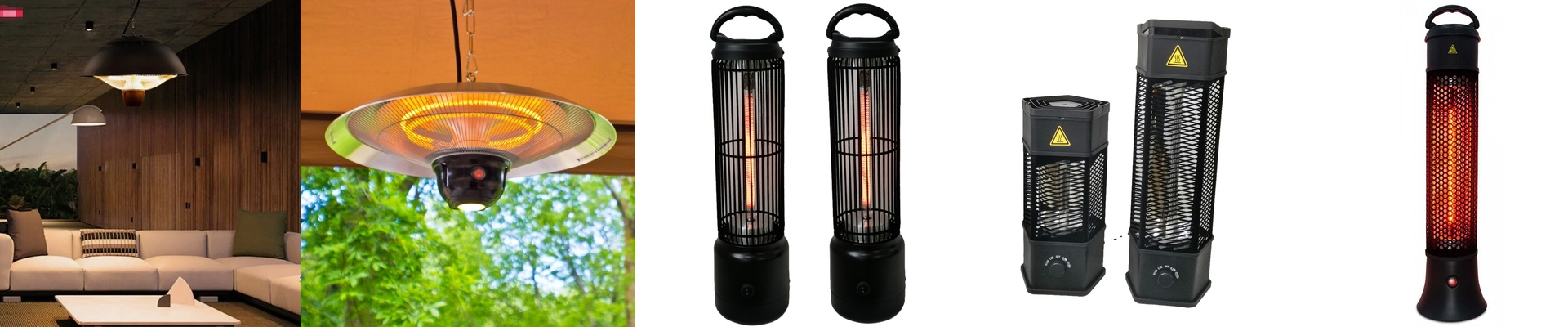
Now, there are a couple of trade-offs. Because these units pump out so much energy, the casing itself gets hot. You can’t just slap these anywhere. You’ve got to be smart about your mounting brackets and leave enough breathing room so you don’t accidentally scorch a nearby wall or ceiling. And a quick tip on the wiring: make sure your power supply is rock solid. If your voltage drops, your wattage drops. That means your heat-up time slows down, and you lose that “instant” feeling. Just make sure your circuit can handle the initial surge when you flip the switch.