
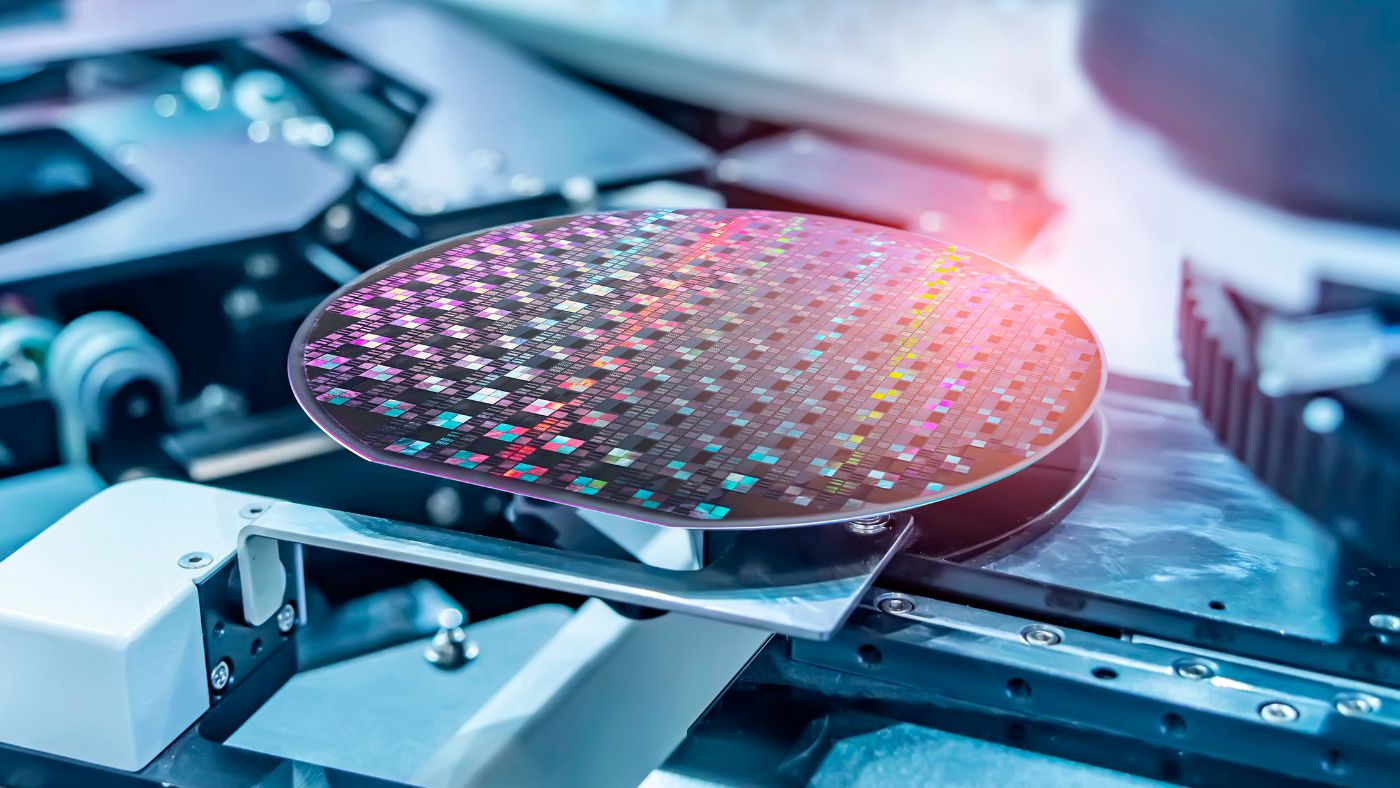
Getting Your Wafer Curing Right: It’s All About the Reflector
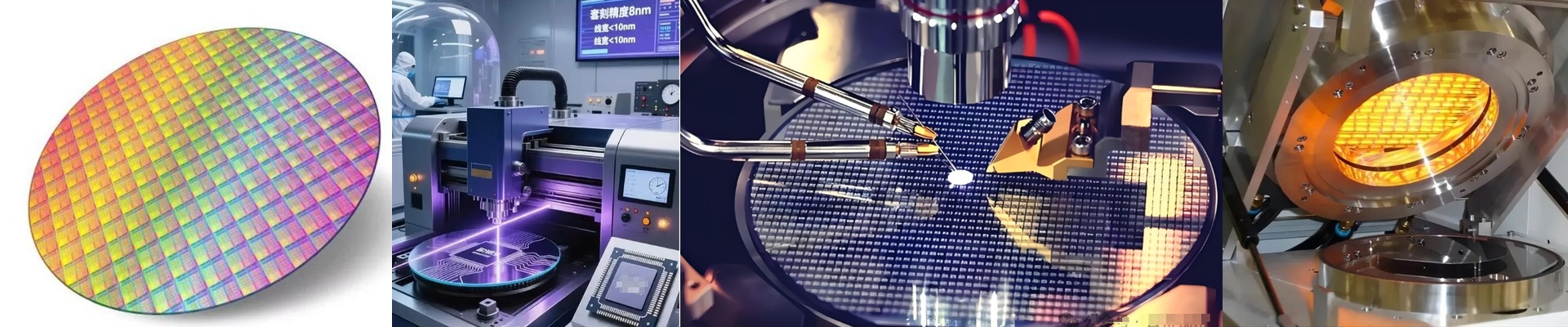
Most of us use infrared (IR) curing for semiconductor drying because it’s clean. No chemical solvents, no combustion—just electricity turning into heat. It keeps things “green” and meets those lead-free mandates without a headache. But here’s the thing: the lamp gets all the credit, but thereflectoris where the real work happens.
Stop Wasting Your Heat
If you’re running a curing lamp without a precision reflector, you’re basically throwing half your energy away. Think about it. A lot of those photons are just heading backward, doing nothing. We design our reflectors to catch that wasted energy and shove it right back toward the wafer. It boosts the heat flux without you having to crank up the power. Plus, you get a much faster ramp-up. That’s a big deal because the longer a wafer sits in that “heat-soak” state, the more likely it is to warp or stress. Nobody wants to deal with that.
The Nitty-Gritty on Materials
We usually stick with high-purity aluminum or gold-coated substrates. Why? Because they’re the best at bouncing back short-wave and medium-wave IR. The shape matters just as much as the metal. We use parabolic or elliptical curves to make sure the heat hits the wafer evenly. If the curve is off by even a few millimeters, you get hot spots. And hot spots mean uneven curing, which usually means a batch of scrapped wafers and a very bad day at the office.
Picking the Right Setup for Your Floor
The best part about a high-reflectivity setup is that you can actually drop the wattage on your line and still keep your throughput exactly where it needs to be. Your energy bill will thank you. Now, you’ve got a choice to make. Gold-coated reflectors are the gold standard for performance. They’re incredible. But they’re soft. If your shop floor is a bit gritty or your maintenance crew is rough with the gear, they’ll scratch. In those cases, go with anodized aluminum. It’s a bit less efficient, but it’s a tank. It can take a beating and keep on working. Just one last tip: make sure your cooling fans can handle the concentrated heat. You don’t want to fry your lamp sockets while you’re trying to save energy.