
Getting Lead-Free Curing Right with Infrared
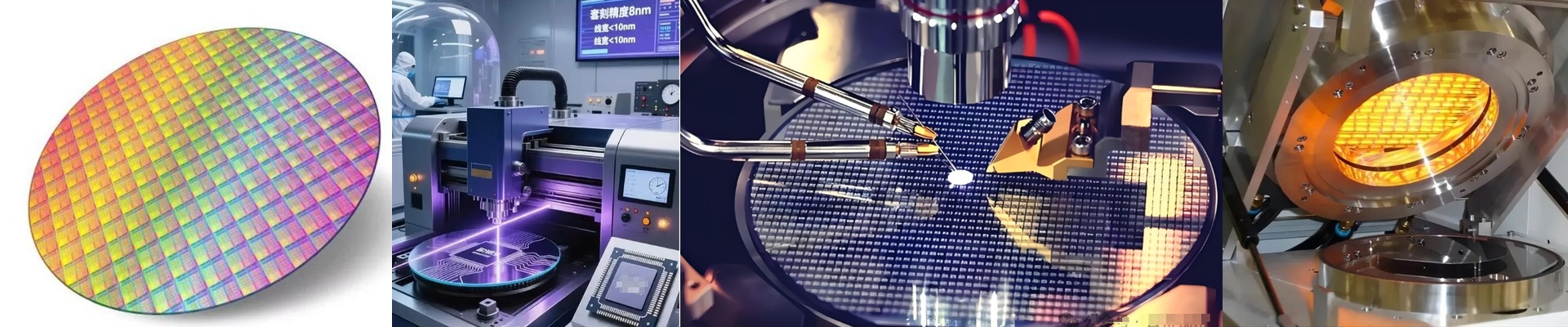
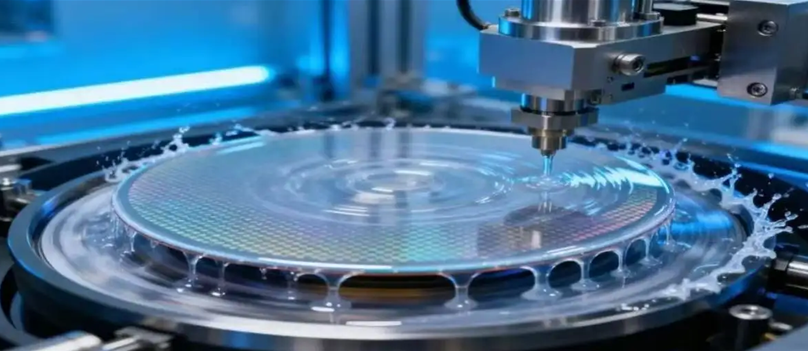
If you’re working with wafer tools and have to hit those strict eco-friendly or lead-free mandates, you’ve probably realized that old-school convection ovens just don’t cut it. They’re slow, and they waste a ton of energy. That’s why most of us have moved to Infrared (IR) curing. Here is the real secret: IR doesn’t bother heating up the air around the wafer. It just sends energy straight to the surface. It’s a total shift in how we think about heat. Instead of spending kilowatts to turn a massive metal chamber into a sauna, we use short-wave and medium-wave lamps to hit the photoresist or adhesive exactly where it counts. You’re heating the substrate, not the tool. It’s cleaner, it’s faster, and it gets rid of those nasty solvent-based catalysts we used to rely on. But you can’t just blast it with heat and hope for the best. If you do, you’ll warp your wafers or just burn them to a crisp. To get this right, we pair the IR arrays with high-speed pyrometers. Because these lamps hit full power almost instantly, we can pulse the energy. It’s like a dimmer switch on steroids, allowing us to keep the temperature in a very tight window. One thing to watch out for? The footprint. These arrays pack a lot of heat into a tiny space. If your chassis doesn’t have solid heat sinking or some decent forced-air cooling for the housings, your filaments are going to burn out way sooner than they should. Then there’s the lead-free side of things. Lead-free solders and adhesives are pickier. They usually need higher temperatures and much faster ramp-up times. IR handles this easily because it provides the heat density needed to hit those peaks without baking the entire machine. The result is a shop floor that actually feels cleaner. No fumes, no lead-based flux residue—just photons doing the heavy lifting. It just works.