

Stop Wasting Your Heat: A Better Way to Handle IR in Semi Tools
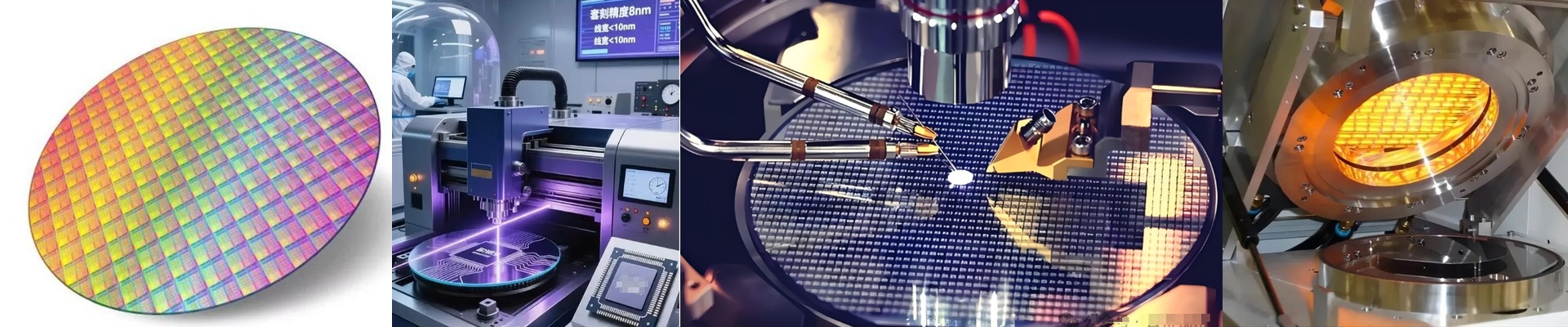
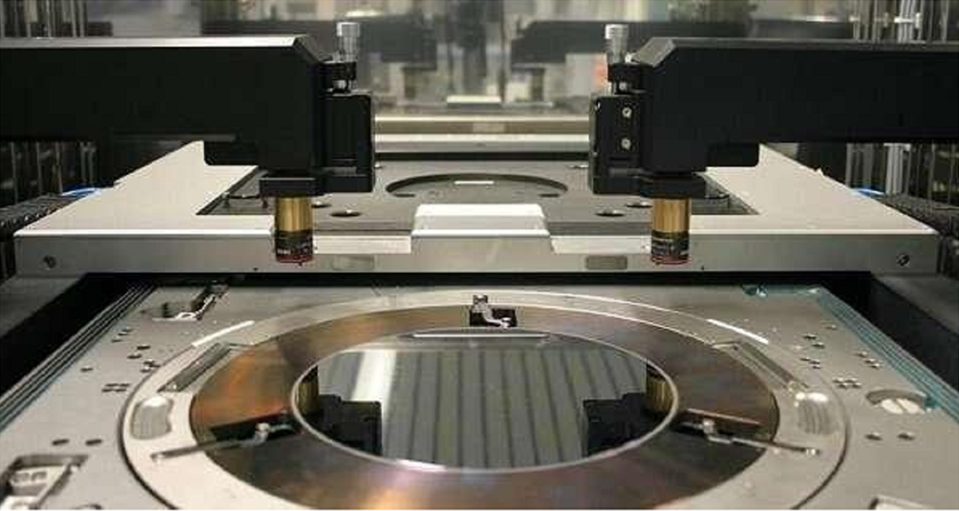
Standard infrared lamps are kind of messy. They throw heat in every single direction—a full 360 degrees. When you’re working inside a wafer processing chamber, that’s a real problem. You’re trying to heat a wafer, but a huge chunk of that energy just misses the mark. It slams right into the inner walls of your equipment. The result? Your chassis gets hot enough to actually burn someone, and your cooling system has to work overtime just to keep the machine from melting down. It’s a waste of energy and a headache for the people on the floor. How we fix the “scatter” We handle this by getting directional. Instead of just using a bare quartz tube and hoping for the best, we use reflectors or special coatings that basically herd the photons in one direction. Think of it like putting a shade on a flashlight. We narrow the angle so the energy hits the wafer surface directly. You still get that fast thermal ramp-up you need, but the walls of the chamber actually stay cool to the touch. The tricky part: Density and Safety It’s not just about the lamp, though. It’s about where that heat actually lands. When we set these up, we spend a lot of time matching the wavelength to the substrate’s absorption rate. We do this so you don’t accidentally “overshoot” your temperature and ruin a batch. But here’s the thing: when you concentrate heat like this, the intensity at the focal point gets very high. If your PID controller isn’t tuned just right, you’ll end up with hot spots on your wafer. I always suggest starting with a slow ramp-up. It gives you a chance to calibrate the distance between the lamp and the wafer without risking the hardware. The honest trade-off Look, directional lamps aren’t a magic wand. There’s a catch. Those reflectors? They attract dust and chemical residue. Over time, they get dirty. And once they’re grimy, your heat distribution starts to drift, and you’ll see uneven temperatures across the wafer. So, you’re trading one problem for another. You get a safer machine and lower power bills, but you have to add a cleaning step to your daily routine. It’s a fair trade, but you’ve got to stay on top of it to keep things consistent.