



Stop Waiting on Your Air Heaters: A Better Way to Handle Thermal Loads
If you’re still relying on hot air circulation for your semiconductor deep processing, you know the drill. You turn the system on, you wait for the air to heat up, and then you wait again for that air to actually transfer the heat to your part. It’s slow. It’s tedious. And honestly, it’s a waste of time.
Why “Air” is Holding You Back
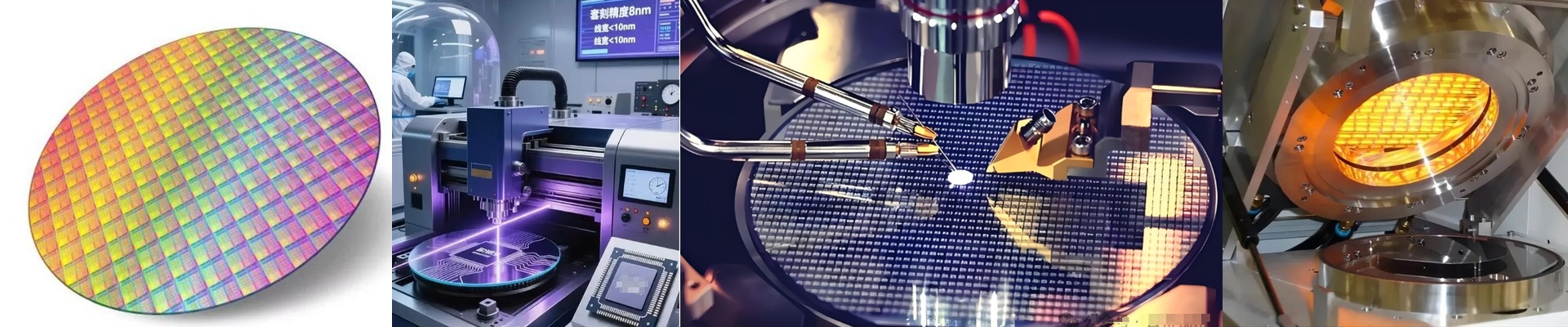
Think about it this way: forced air is just moving energy through a middleman. You’re heating the air, and the air is heating the part. Infrared (IR) skips the middleman entirely. It’s radiant energy, which means it hits your target at the speed of light. Instead of wasting energy heating up every single cubic inch of your oven cavity, you’re putting the heat exactly where it needs to go—the substrate. The result? Your ramp-up is nearly instant. We’re talking about cutting your cycle times by 40% to 70% depending on what you’re working with. In a high-volume line, those saved seconds turn into a massive win for your daily output.
The Real-World Trade-offs
Here is the cool part: you can actually tune these lamps. By picking specific wavelengths that match your wafers or polymers, you get the heat exactly where you want it without turning your entire clean room into a sauna. But, a word of caution. Because IR is so concentrated, it creates some intense localized heat. If you just slap these in without checking your mounting brackets and wiring, you’re going to melt your connectors. You’ll also want a solid cooling strategy for the housing, or your calibration will start drifting.
Making the Switch
The good news is that moving from air to IR is usually a pretty simple swap. You can rip out the bulky blowers and all that annoying ducting, which suddenly gives you a lot more breathing room on your bench. I always suggest going with quartz envelopes for clean room setups—it keeps things pristine and stops particulates from shedding. Once it’s wired up, it just works. No more “warming up the chamber.” You flip the switch, and you’re ready to go.