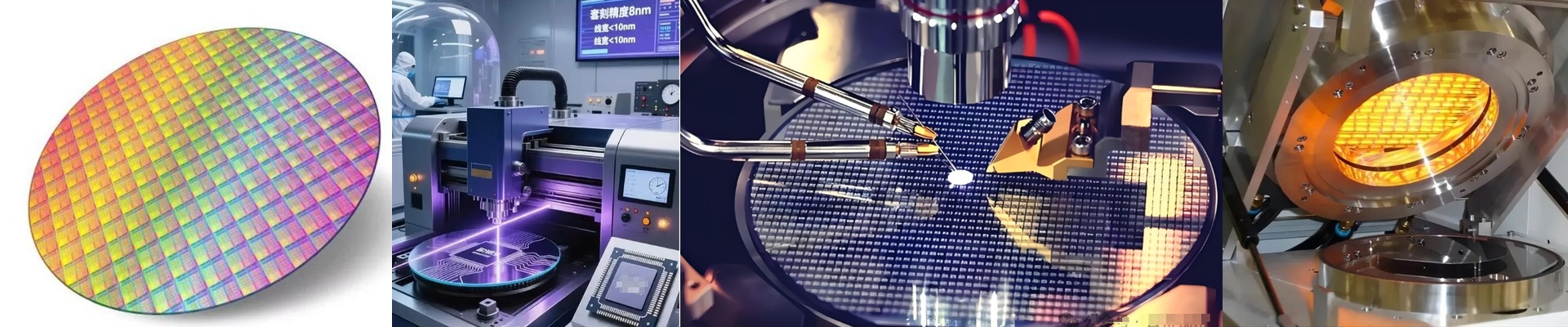
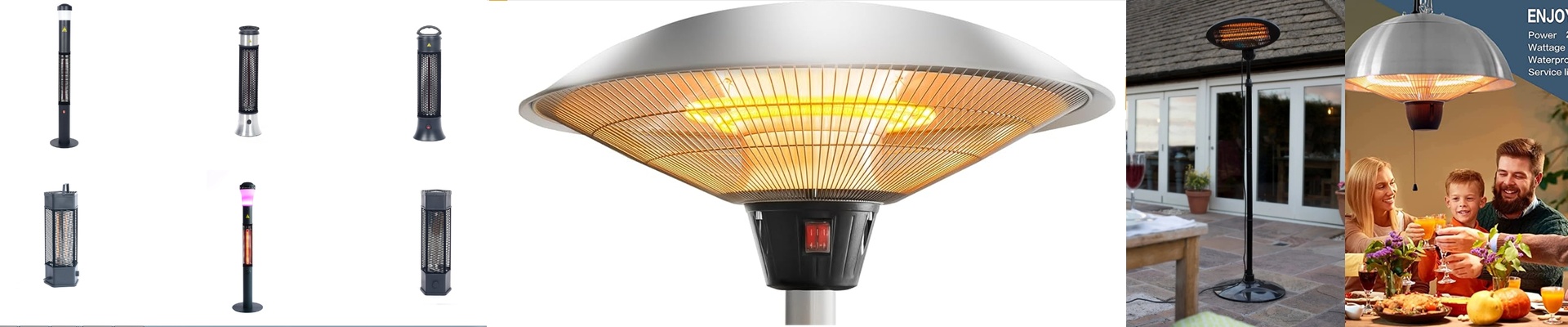

On the fab floor, a 1°C drift in soft bake will shift the photoresist profile. Run the hard bake a touch too hot, and you’ll see scumming after development. Power device wafers bring wide dies and a tight thermal budget, so any temperature non-uniformity shows up as edge bead, sloppy CD control, and yield hits you can’t write off. What actually matters under the hood We build the power device wafer heater around short-wave infrared emitters in quartz—fast response, stable output. The thermal profile holds ±0.1°C across the wafer, so soft bake and hard bake stay in spec, shift after shift. The system fits Class 1–100 cleanrooms, with zero particle generation from the lamp assembly and a sealed, low-outgassing design. Output repeatability stays solid over 5,000+ hours, with less than 5% drop, so the process window doesn’t drift. Why this works for power devices This lamp was engineered for the power line, where thick metals, deep vias, and high-current paths make thermal uniformity a must, not a nice-to-have. You get consistent soft and hard bakes, less edge bead, and fewer rework lots. Energy use drops thanks to fast ramp-up and tight dwell control, and unplanned downtime falls because the lamp runs 24/7 without constant calibration drift. The payoff is higher first-pass yield and cycle time you can count on. What you need to get right on install Installation comes down to precise optical alignment and a clean power bus. Mismatched reflectors and voltage ripple will come back as non-uniformity. The lamp fits standard OEM tool interfaces, but plan the integration around exhaust routing and the thermal load on the stage. Plan quarterly preventive maintenance—emitter inspection, reflector cleaning, and thermal verification—to keep that ±0.1°C spec intact.