
Stop Letting Lamp Bursts Kill Your Yield
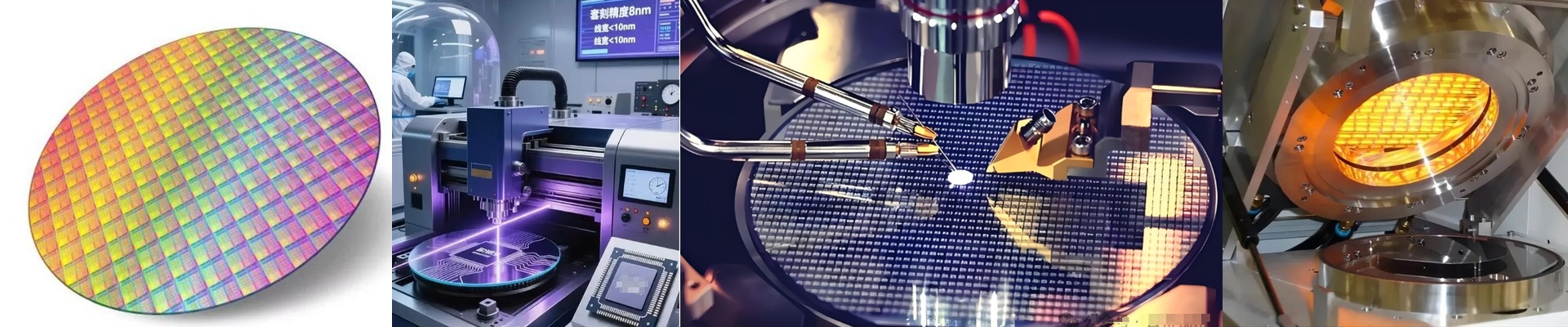
In a high-load fab, a lamp bursting isn’t just a nuisance. It’s a nightmare. When a quartz tube goes, it doesn’t just stop working—it showers your silicon with glass shards and particulates. One bad break and you’re scrapping entire batches. It’s a massive waste of time and money. That’s exactly why we built our infrared curing lamps to be a lot tougher than the standard stuff. Keeping the mess inside We start with high-purity fused quartz. Why? Because it can take the hit of rapid heating and cooling without cracking. But we didn’t stop there. Depending on what your fab needs, we add a protective sleeve or a reinforced coating. Think of it as a safety net. If a filament burns out or the tube fails, the debris stays put. It doesn’t end up on your wafers. Then there’s the seal. The spot where the quartz meets the electrodes is usually where things go wrong. We use a reinforced pinch-seal to keep gas from leaking out and oxygen from sneaking in. This stops the filament from oxidizing too early, which means the lamp just lasts longer. Dealing with the heat High wattage is great for fast curing, but it puts a ton of stress on the glass. Here’s the trick: we balance the power density across the whole tube. No “hot spots.” If you’re running these at full tilt, just make sure your cooling manifold is up to the task. If the airflow is sluggish, the glass expands unevenly. That’s usually where the first crack happens. Making it actually reliable We use standardized connectors because loose fits are dangerous. A loose connection leads to arcing and overheating at the end-caps, which is a recipe for disaster. By locking the lamp into a rigid fixture, we kill the vibrations that cause stress over time. You get a steady heat profile and, more importantly, you can actually trust your gear to run 24/7 without waking you up with a catastrophic failure at 3 AM.