
Cutting Carbon in Semi-Conductor Manufacturing (Without Breaking Your Equipment)
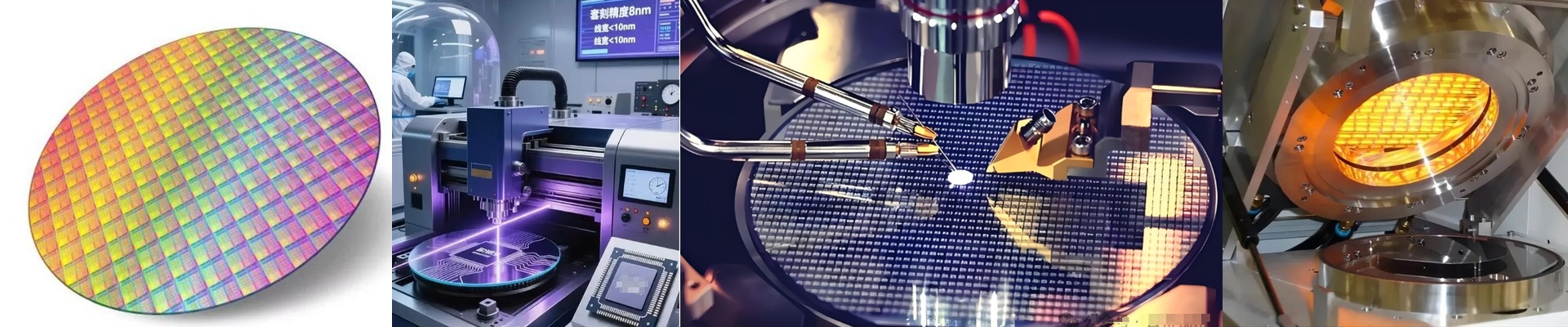
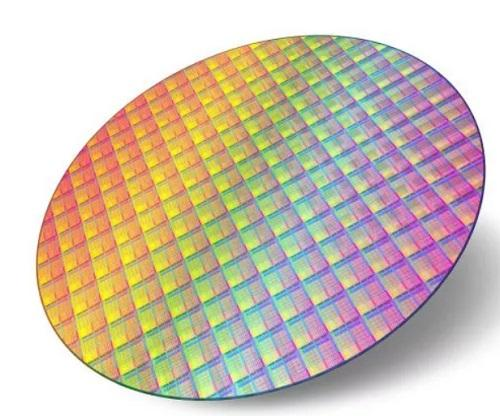
When you’re dealing with rinse stages in semiconductor manufacturing, you’ve got a tricky balance to strike. You need to get that moisture off the wafer fast, but you can’t afford a single speck of contamination. For a long time, people just relied on convective heating—basically blowing hot air everywhere. But we’ve found a better way: waterproof infrared (IR) lamps. The struggle with wet environments Here’s the thing about rinse lines: they are brutal on hardware. Between the constant humidity and the chemical vapors, a standard lamp would just give up. To stop them from shorting out and dying early, we use specialized quartz envelopes and hermetic seals. It keeps the moisture away from the electrodes. Plus, we push for high watt density. Why? Because you want to flash-dry that surface instantly. The less time a wafer spends in that transition zone, the better your yield. Dealing with the “waterproof” side of things When we say “waterproof,” we aren’t talking about a raincoat. We’re talking about high-temperature gaskets and sealed end-caps that keep steam and splashes out of the housing. But there’s a catch. Quartz expands when it gets hot. If your mounting brackets are too tight, the tube will literally snap during a heat cycle. It’s a loud, frustrating mistake that we make sure you avoid by matching the expansion rates perfectly. Saving energy (and your sanity) Switching from those massive forced-air ovens to targeted IR heating is a huge win for the planet. Instead of wasting energy heating every cubic inch of air in a chamber, IR sends energy straight to the substrate. It’s direct. It’s efficient. It drops your kilowatt-hour per wafer ratio, which makes those “green factory” mandates a lot easier to hit. Just a heads-up: these lamps put out a lot of radiant heat. If your cabinet cooling and ventilation aren’t up to the task, your surrounding sensors are going to start overheating. To keep things steady, we suggest using a precise PID control loop. It modulates the power so you hit your target temperature without overshooting it and causing a headache.