
Stop Burning Your Machine Walls: A Better Way to Use IR Heat
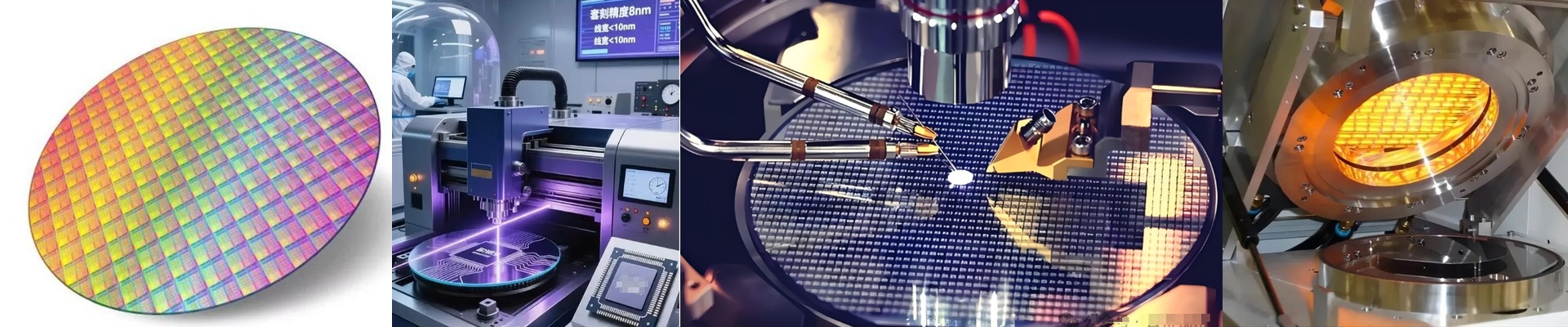
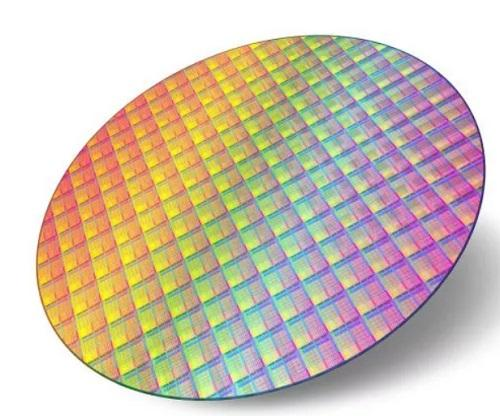
Here is the problem with standard infrared lamps: they blast heat in every single direction. When you cram those into a tight semiconductor housing, you’re basically putting a space heater inside a metal box. A huge chunk of that energy never even touches the wafer—it just hits the inner walls. The result? “Hot walls” that can actually burn an operator or warp the chassis. It’s a mess. The Gold Trick We figured out a way to fix this by putting a gold-coated reflector right behind the bulb. Why gold? Because it’s incredible at bouncing infrared radiation. Instead of letting the heat bleed into the casing, the reflector pushes those photons forward. It turns a chaotic blast of heat into a focused beam. You get the intensity you need on the target, while the rest of the cabinet stays cool. Plus, your cooling fans don’t have to work nearly as hard. A Few Things to Watch Out For Now, there’s a catch. Because the heat is so concentrated, the intensity at the focal point jumps up. If you mount the lamp too close, you’ll end up with hot spots on your workpiece. I always suggest doing a quick gap analysis before you actually wire everything in. Just a bit of planning saves a lot of headaches. Also, be gentle with the hardware. That gold layer is thin. If you hit it with harsh chemicals or scrub it too hard, you’ll ruin it. And for heaven’s sake,wear gloves. Skin oils bake onto the surface and leave permanent dark spots that you can’t get off. Why This Actually Matters The real win here is that you can push your process to higher temperatures without having to wrap your entire machine in heavy insulation. It keeps the thermal footprint small. For the person actually running the tool, it means the external panels stay safe to touch. You can finally ditch those bulky heat shields and the “Caution: Hot” warning signs. It just makes the whole workspace feel safer and cleaner.