
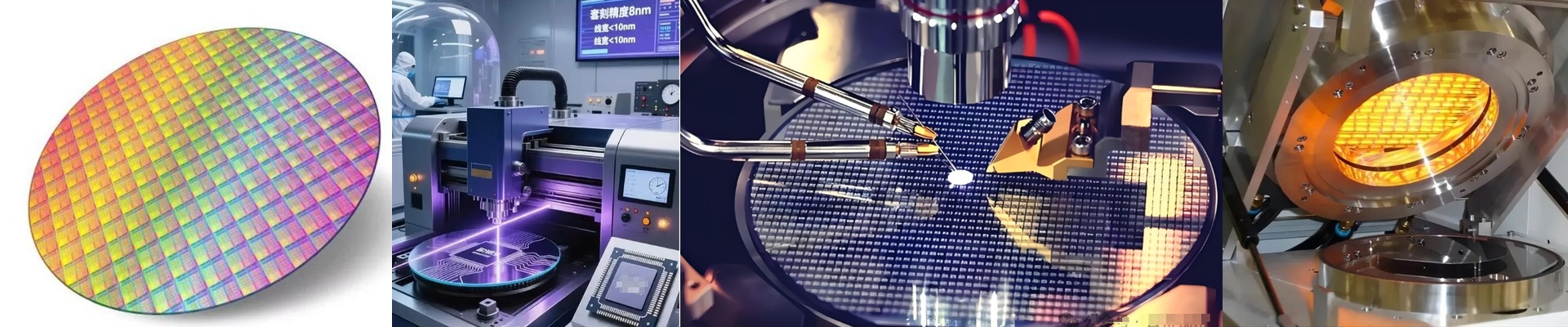
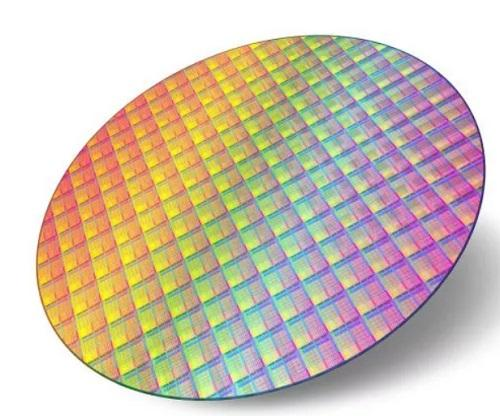
On the fab floor, yield comes down to degrees. A bake temperature that drifts will scatter linewidths. A cold spot during oxidation? That’s how you get unstable gate oxide. We built our wafer oxidation heating element to handle those exact consequences—because thermal budget has to stay under control right where it counts. What matters, technically We run short-wave infrared with a fast-response quartz emitter, sized to match wafer diameters and the tool envelope. Across the wafer, steady-state temperature uniformity holds ±0.1°C, and ramp control repeats so the photoresist profile stays consistent lot after lot. Cleanroom compatibility isn’t a slogan—we use ultra-low outgassing materials and a particle-minimized geometry that holds up in Class 1–100 environments. Output stays stable over 5,000+ hours, with drift kept below 5%. Why it holds up in production In lithography, the soft bake is where you set solvent removal and film stress. With this infrared element, you get rapid, even energy, so the resist cures uniformly—standing-wave effects drop, and CD control tightens. In wafer oxidation, that same thermal profile repeatability translates into tighter oxide thickness distribution and fewer reworks. Energy use falls because the heat goes where it’s needed, not into heating excess mass. Reliability shows up as fewer PMs and less unplanned downtime. The practical details you’ll want to get right Mounting tolerances and emissivity differences on coated wafers can shift local heat flux, so qualify with a thermal map across product wafers—don’t rely on bare surrogates. The element needs clean, dry power and solid thermal anchoring; if it’s misaligned, you’ll see nonuniformity immediately. Plan a short commissioning run to tune ramp rates and dwell times to your specific film stack.