
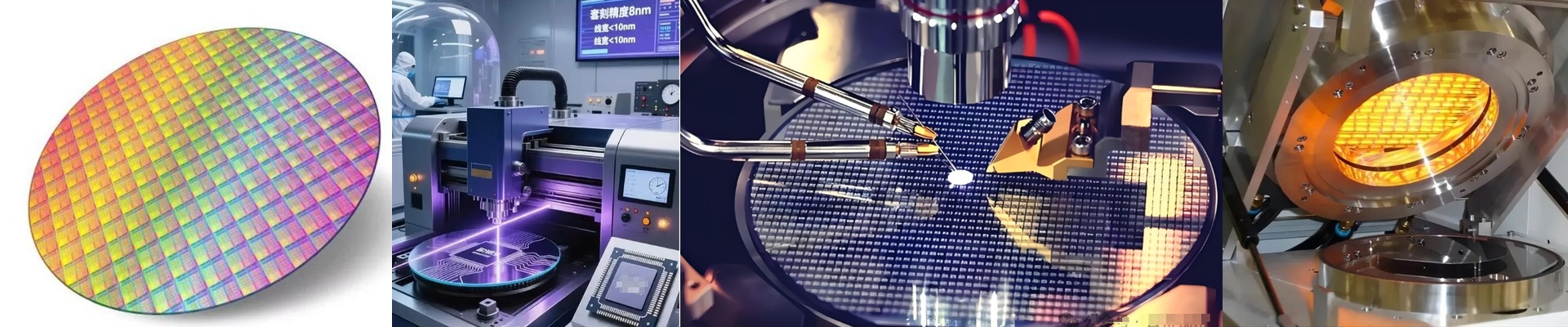
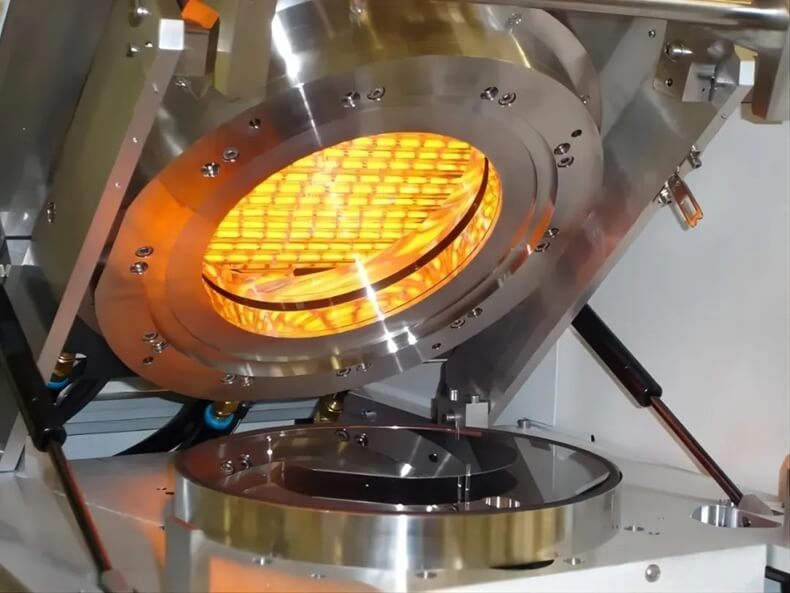
On the line, thermal drift doesn’t just show up on the chart—it quietly eats yield. A 2°C swing during photoresist soft bake can wipe out an entire lithography shift. A cold spot during wafer drying? You’ll see streaks and particles that stick like glue. Infrared heating goes straight at those failure modes. What matters, technically Infrared puts the energy where and when you need it, without turning the chamber into a hot box. Our NIR emitters hit the substrate fast, and you can hold temperature stability within ±0.1°C across the wafer. Cleanroom Class 1–100 is doable because the hardware is built with low outgassing materials and zero particle emission. Photoresist bake profiles come out repeatable, within tight tolerances, and the system is engineered for 24/7 fab duty with planned maintenance windows that don’t wreck schedules. Why it sticks on the floor In wafer drying, infrared knocks off surface moisture without thermal overshoot, so you don’t invite defects. In lithography, soft bake and hard bake cycles land uniform critical dimensions because the thermal budget is consistent—shot to shot, day to day. In packaging, curing runs faster and pulls less energy. In cleaning and drying, residues evaporate clean, which cuts rework. The payoff is fewer scrap wafers, a stable process window, and throughput you can bank on. The things you learn the hard way Infrared shines when the line of sight is clean. Shadowing from chucks or fixtures will create localized cold zones, so tool integration and emitter placement have to be designed in up front. Line up the thermal budget with your existing recipes, and confirm how emissivity behaves on your films. Set it up right, and you get repeatable performance with lower operating cost—without sacrificing uptime.