

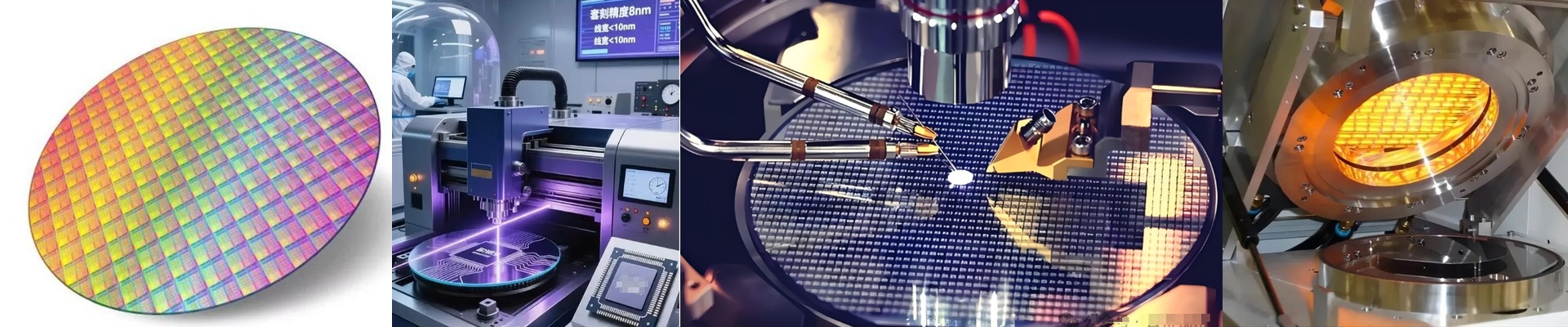
Why we switched to IR for hydrogen sensor fabrication
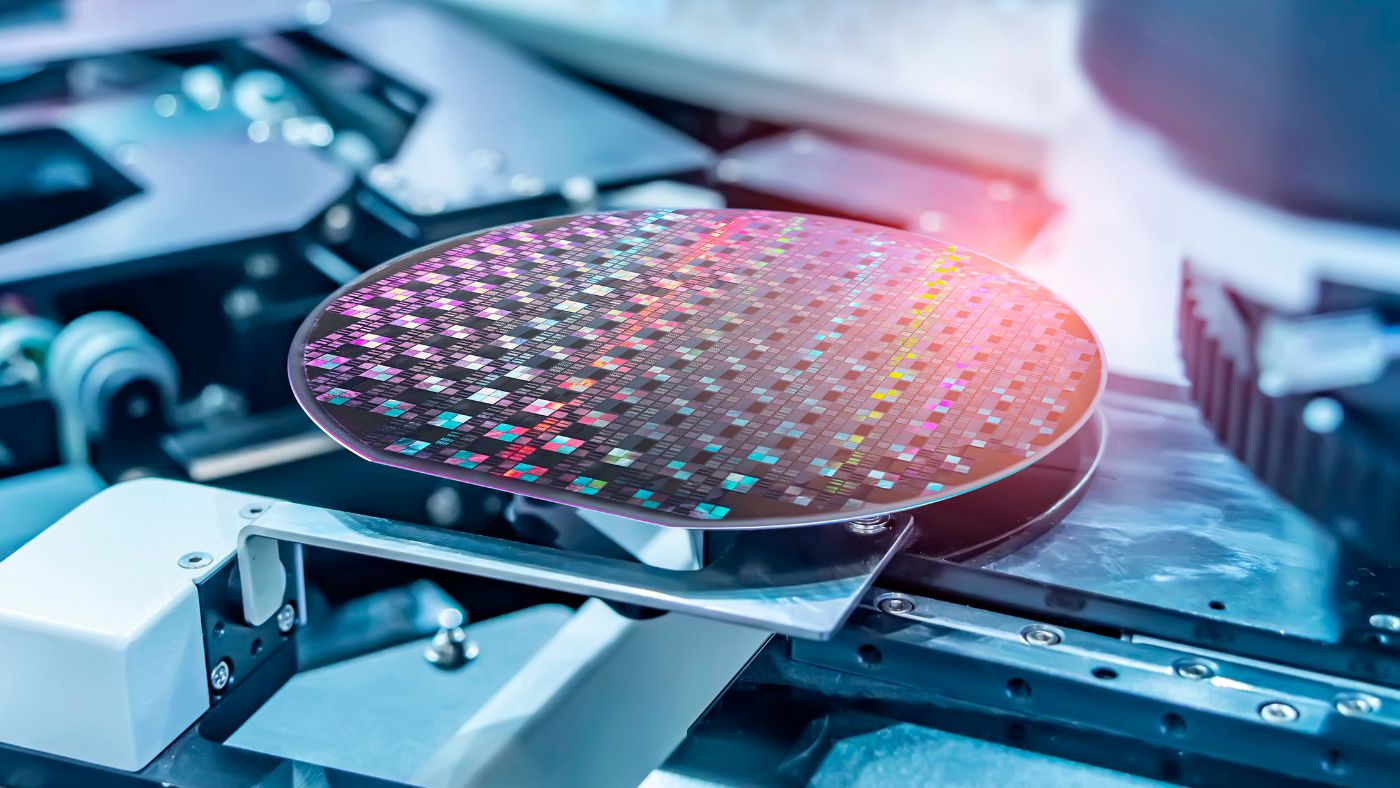
When you’re building hydrogen sensors, the heat is everything. If your thermal profile is off by a hair, you risk ruining the membrane or losing the catalyst adhesion. For a long time, we just used traditional resistive ovens. But honestly? They’re wasteful. You end up heating up a massive volume of air just to get a tiny part to the right temperature. That’s why we moved to short-wave infrared (IR) heating. Getting the heat exactly where it belongs Here’s the thing about IR: it doesn’t mess around with the air. It uses radiation to hit the target directly. There’s no waiting for the oven to “warm up” or dealing with that annoying lag you get with convection. The lamps hit their operating temperature in seconds. That means no more idling your systems for an hour while you wait for the heat to soak. It’s faster. It’s leaner. And it makes the cleanroom a lot greener. The tricky part: Balance We use tungsten filaments and high-purity quartz envelopes to keep the light stable. But you have to be careful. If you crank the wattage too high for the surface area, you’ll fry those sensitive chemical layers in a heartbeat. It’s a balancing act. You have to tune the lamp’s power against the speed of your conveyor belt so you don’t overshoot your target temperature. Making it work in the real world The best part is that these systems just slide right into where the old heating blocks used to be. We hooked them up to our existing PLC controllers for closed-loop PID management, and they play nice. But it’s not all sunshine. IR is intense. High-wattage arrays throw off a lot of radiant heat that can bleed into the rest of your equipment. If you aren’t careful, your surrounding electronics will take a beating. You’ve got to be smart about your heat shielding and cooling jackets to keep everything from overheating. At the end of the day, it’s a shift in mindset. Instead of trying to heat the whole room, we’re just heating the part. It’s the most honest way to run a semiconductor line.