

Stop Letting Your Heaters Kill Your Yield
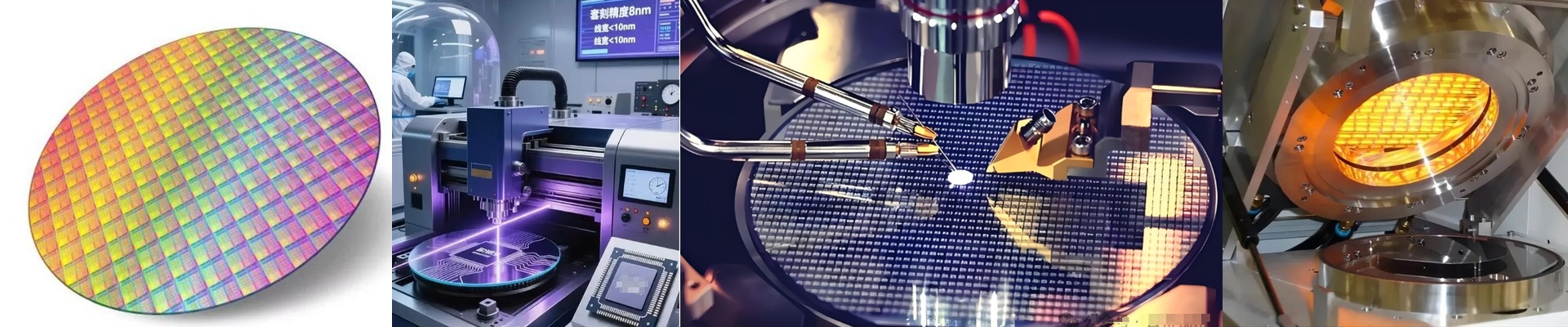
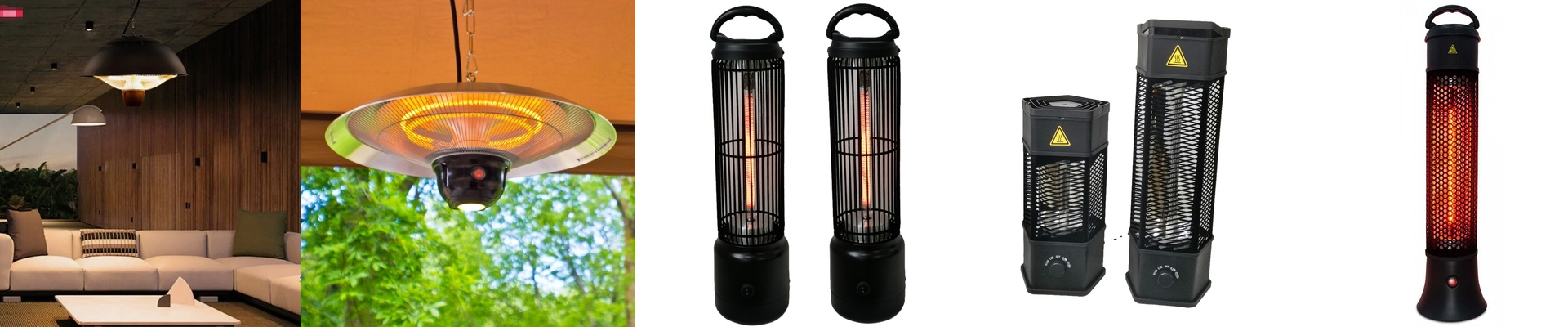
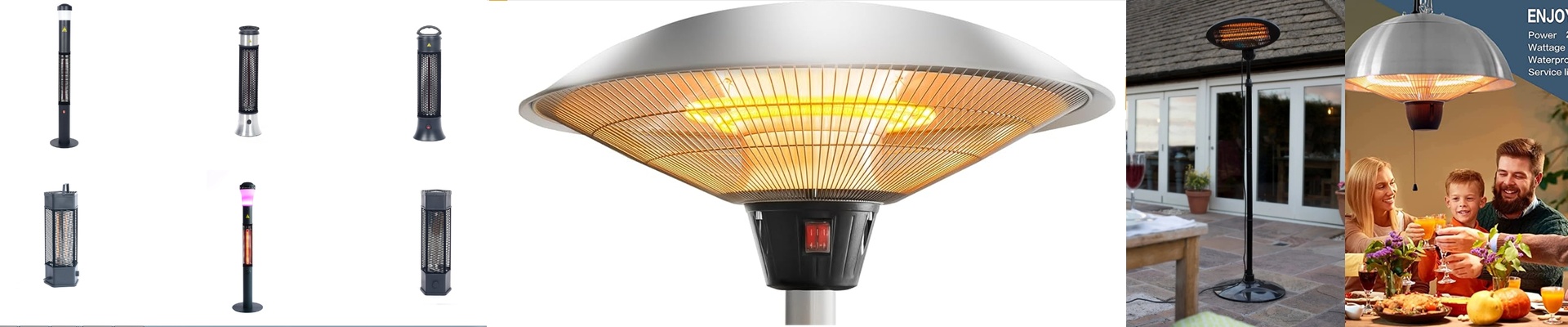
If you’re managing a Class 100 cleanroom, you already know the nightmare: particulate shedding. It’s the silent killer. Standard heating elements tend to outgas or flake, and in the world of semiconductor fab or smart sensor packaging, a few microscopic flakes are all it takes to tank your yield. We figured out a way to stop that. The secret is high-purity synthetic quartz. Why quartz actually matters Most glass just can’t handle the heat without breaking down. But high-purity quartz is different. It doesn’t crystallize, which means it won’t spit out tiny particles while it’s heating up and cooling down. Think of the quartz tube as a permanent, airtight vault for the tungsten filament. It keeps the oxidation out and ensures no metallic dust ever leaks into your production zone. Plus, we build these to stay stable at extreme temperatures, so you don’t have to worry about the tubes warping or cracking when you ramp up the heat quickly. Getting the heat where it belongs These lamps focus on short-wave IR. The beauty of this is that the energy goes straight into the substrate. It doesn’t waste time heating up the air around it, which is a huge win for keeping your cleanroom airflow steady. We can tweak the wattage and voltage to fit your specific setup. But here is a pro tip: because these put out so much concentrated heat, your mounting brackets need to be thermally isolated. If your heat sinks aren’t dialed in, you’ll end up with heat soaking right into your machine frame. Not a good look. Getting them installed (and keeping them clean) We use standard connectors, so you can just swap these into your existing arrays without a headache. We focus on a tight seal and a rock-solid electrical connection because arcing is the enemy—it creates carbon deposits, and that’s exactly what we’re trying to avoid. One last thing. Before you slide these in, give them a thorough wipe-down with electronic-grade IPA. I can’t stress this enough. If a single fingerprint stays on that quartz, it’ll burn off during the first cycle. That leaves a permanent spot on the glass, and suddenly your heat uniformity is shot.