
Keeping Your Fab Clean: The Truth About Heating
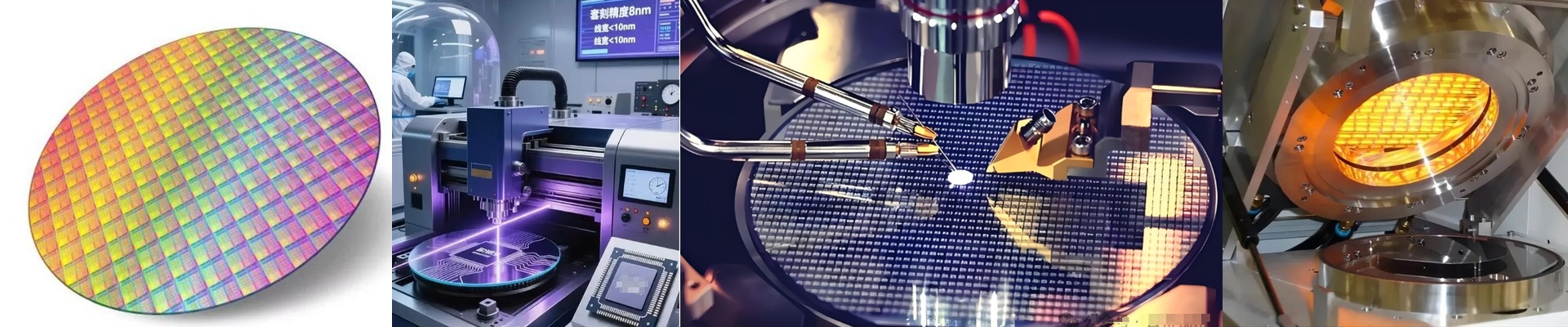
If you’re running a Class 100 cleanroom, you already know the nightmare. One tiny flake of dust or a bit of outgassing from a cheap heater, and your wafers are ruined. Your yields tank. It’s frustrating, and frankly, it’s expensive. That’s why we stick with high-purity synthetic quartz IR lamps. Why quartz? Here’s the thing: most metal-sheathed heaters eventually peel or oxidize. They just shed particles. We use fused silica quartz with high OH content because it doesn’t break down or spit out organic compounds when things get hot. Plus, you get the heat via short-wave radiation. It goes straight into the substrate. Because you aren’t heating up the air around it, you don’t get those annoying convection currents that kick up dust from the floor. It’s just cleaner. The trade-off with power Now, if you want to hit your target temperatures in a few seconds, you need high-density lamps. But there’s a catch. Pushing that much wattage into a small space creates some serious localized heat. If you don’t get your cooling fans and heat sinks exactly right, the ends of the lamp will just burn out from the thermal stress at the seal. It’s a balancing act. Keeping things running We designed these for quick swaps. Nobody wants their line down for hours, so we made sure the connections are tight and can handle vibrations. This helps prevent arc-over, whether you’re working in a vacuum or a controlled-air setup. One quick tip: keep your power supply stable. Voltage spikes are the fastest way to kill a filament. A word of caution These lamps aren’t bulletproof. Quartz is brittle. If a technician is clumsy during installation and leaves a hairline crack, the lamp will pop the second it hits operating temperature. It’s a heartbreaking way to waste a part. And please,use lint-free gloves. Every single time. If you leave a fingerprint on the quartz, those skin oils bake into the glass. That creates a hot spot, and before you know it, the tube snaps.