
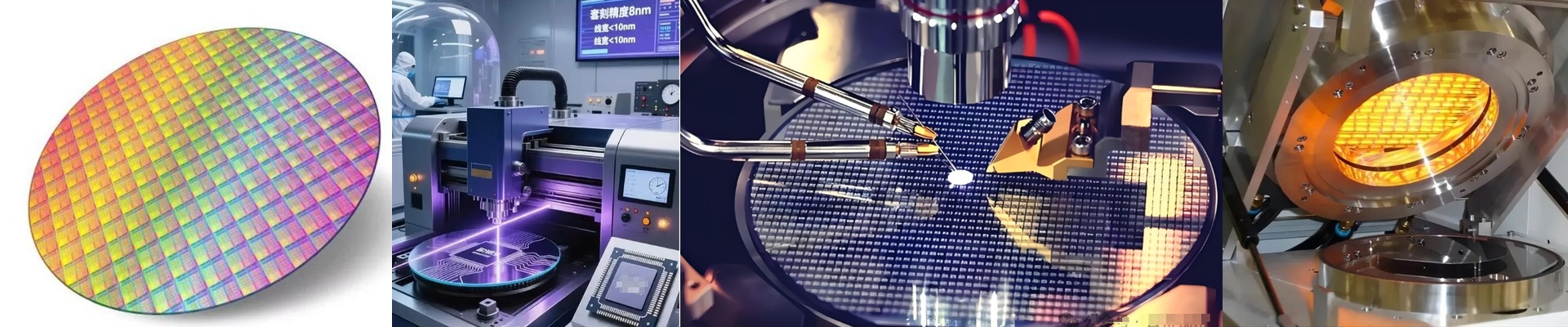
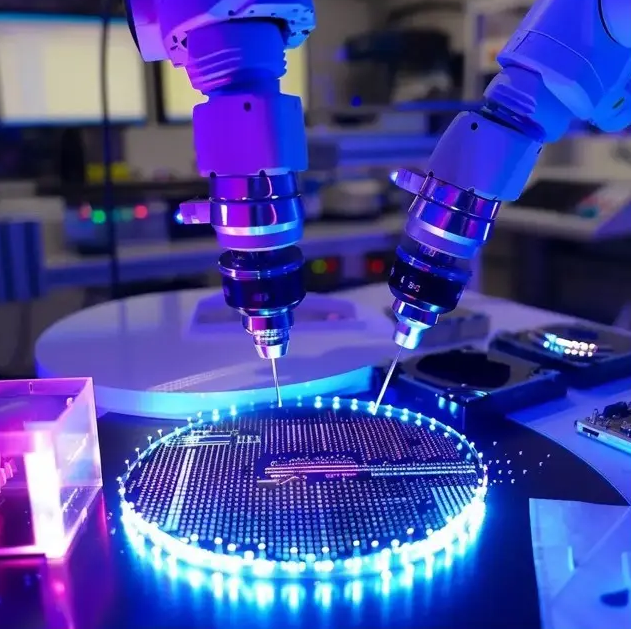
On the fab floor, photoresist bake isn’t optional—it is the thermal budget. A 2°C drift in soft bake or hard bake will wreck critical dimension control and drag lithography defects along with it. We built our high-temperature fab-lab furnace around infrared heating, tuned to hit sub-millimeter thermal uniformity. The payoff is repeatable temperature profiles across the wafer, batch after batch. What matters, technically We use near-infrared (NIR) heating to put the heat right where you need it—at the process surface—so thermal lag and cold spots don’t become your hidden variables. That gives you a stable, repeatable thermal field, and it’s what makes tighter process windows possible. Cleanroom Class 1–100 compatibility is baked into the design: airflow paths, seals, and chamber materials are chosen to keep particle generation as close to zero as you can get. In production terms, that translates to fewer rejects and less rework. Why this works in a fab lab In a fab lab, you can’t run on a bench oven. You need a tool that behaves like a process tool. This furnace holds photoresist bake temperatures with real precision, so line-width stays consistent, scumming drops, and adhesion improves. Energy use is tightened through fast ramp-up and minimal standby losses, and the system is built for 24/7 reliability. Zero unplanned downtime is the target we’re shooting for. What you need to plan for The furnace delivers, but it needs stable utilities: clean power, adequate cooling, and exhaust handling that matches the tool. Integration is straightforward for most fab tool chains, but you still need site validation for voltage, gas, and interface specifics. Line up your process team for a short commissioning window—once you match the tool to the line, repeatability becomes the default, not the exception.