
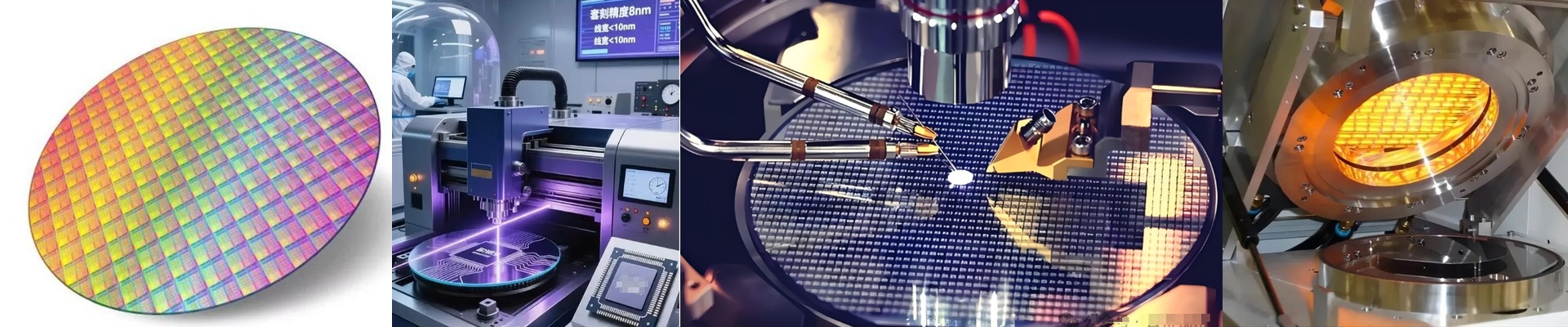

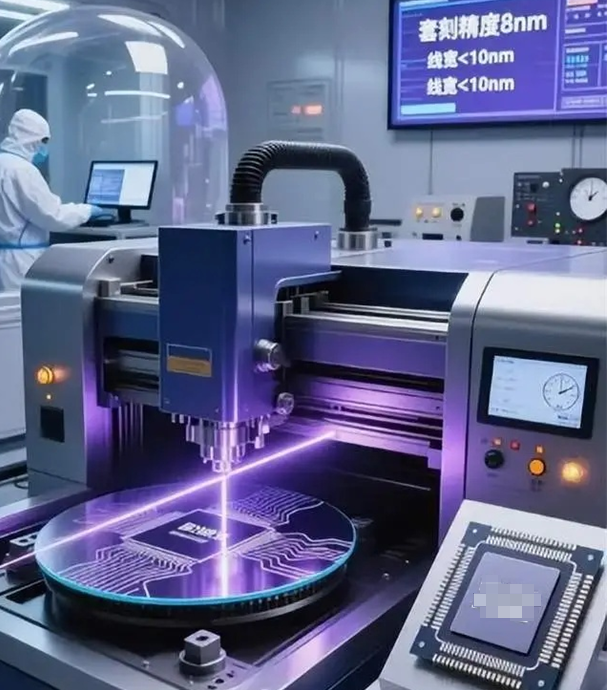
On the fab floor, a single micron of moisture left on a battery separator film is all it takes to short cells and scrap an entire stack. You’re running at Class 100, and the thermal process has to be repeatable—like a metrology spec, not a best guess. Conventional ovens drift. Bake profiles wander. Particle counts spike. That’s not a risk you can live with. What matters, technically We built a separator film dryer around semiconductor discipline: hold temperature uniformity across the film within ±0.1°C, and use NIR heating tuned for fast, through-thickness dehydration without scorching the polymer surface. The chamber is cleanroom-compatible from Class 1 to Class 100, with polished interiors and low-outgassing materials to keep particle generation at zero. Photoresist-grade bake control gives you repeatable evaporation rates and stable film dimensions. Run it 24/7, and predictive maintenance keeps unplanned downtime at zero while cycle times stay consistent. Why it sticks in practice You don’t need heroics—you need repeatability. This dryer locks the thermal budget, so soft bake and final drying behave the same lot after lot. Tighter uniformity cuts edge defects, boosts yield, and shortens warm-up and recovery. Energy use drops because NIR heats the film directly, not the chamber mass. In lithography-adjacent lines, that same precision carries straight into photoresist processing: critical dimensions stay stable, and defects stay down. Here’s what to watch for NIR needs line-of-sight and controlled emissivity. If the film has reflective additives, you’ll need a tailored lamp map and a dedicated recipe calibration. Installation is straightforward in new bays. Retrofits, though, require a cleanroom-rated power and exhaust drop, plus a verified quench strategy for solvent vapors. Plan a short commissioning run to map the hot zones and nail the bake profile. Once calibrated, it runs with the same discipline as a wafer track bake.