
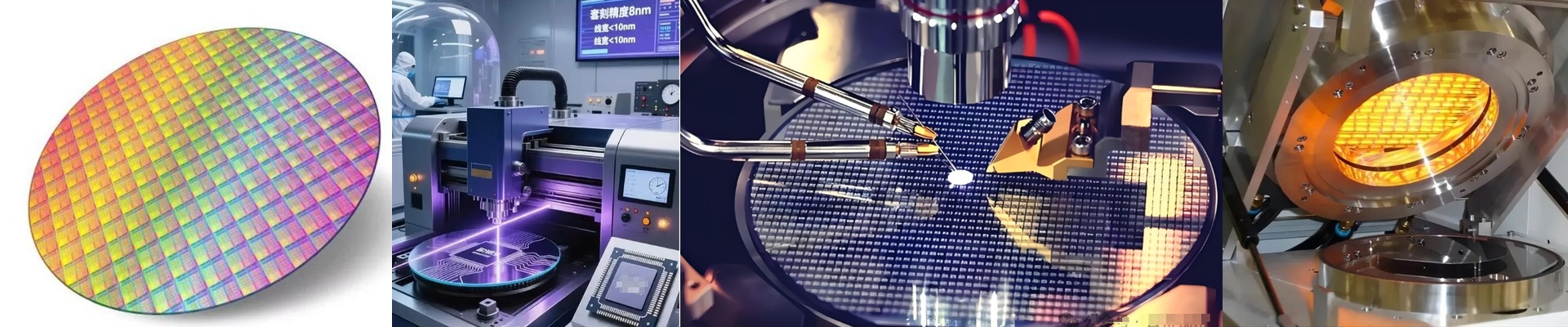
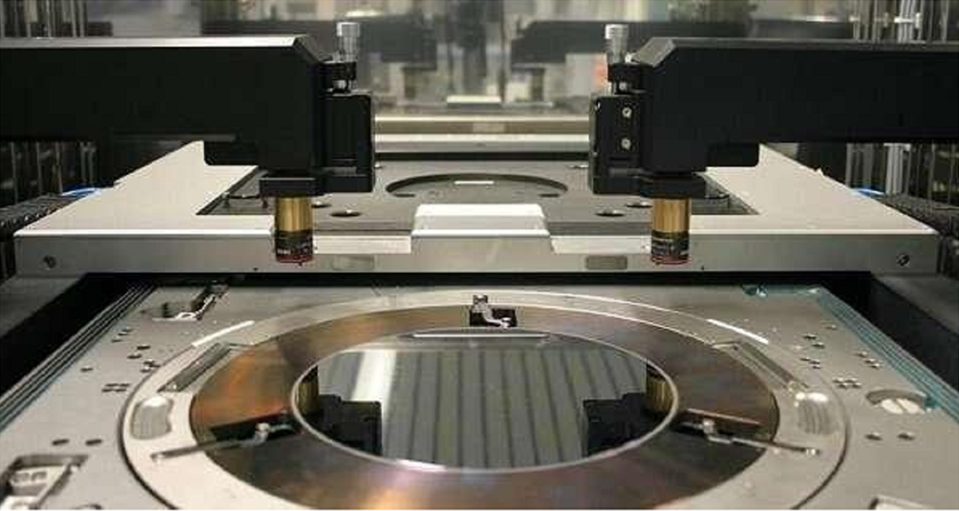
On the fab floor, a photoresist soft bake that drifts even a degree can throw line widths off enough to scrap a whole lot. Chemical cabinet heaters aren’t just about comfort. They’re process instruments, and they guard the thermal budget on every wafer that passes through. What matters, technically We build these fab chemical cabinet heaters around short-wave infrared elements inside a quartz envelope. The payoff is fast response and clean heat transfer. The target is wafer-level thermal uniformity within ±0.1°C across the substrate, and temperature repeatability that holds up when the shift changes hands. Controls keep setpoints locked for photoresist pre-bake and hard bake, so activation energy stays consistent lot after lot. The system is rated for cleanroom Class 1–100, with sealed joints and low-outgassing materials to keep particle counts flat. Zero particle generation isn’t a tagline. It’s a design constraint, and we verify it with in-situ monitoring. Why it works where you run it You run lithography with tight overlay budgets, and photoresist processes that need precise soft bake and curing. These cabinet heaters stabilize the temperature of photoresist and adhesion promoters, which cuts line-width variability and helps yield. Fast thermal response shortens bake cycles without overshoot, so throughput improves. Energy use drops because heat is delivered on-demand, not left idling in standby. Reliability is measured in 24/7 operation, with components chosen to avoid drift and keep unplanned downtime off the board. What to keep in mind Installation means matching the cabinet footprint and exhaust routing to the fab’s airflow and vibration constraints. Some chemical formulations need verified compatibility with heater surfaces and seals, so we specify materials and provide a compatibility matrix. Commissioning is quick: tune the PID loops and confirm uniformity maps at the operating point. Once that’s set, the process stays repeatable.