
Keeping Things Safe: Carbon Fiber IR Lamps in Volatile Zones
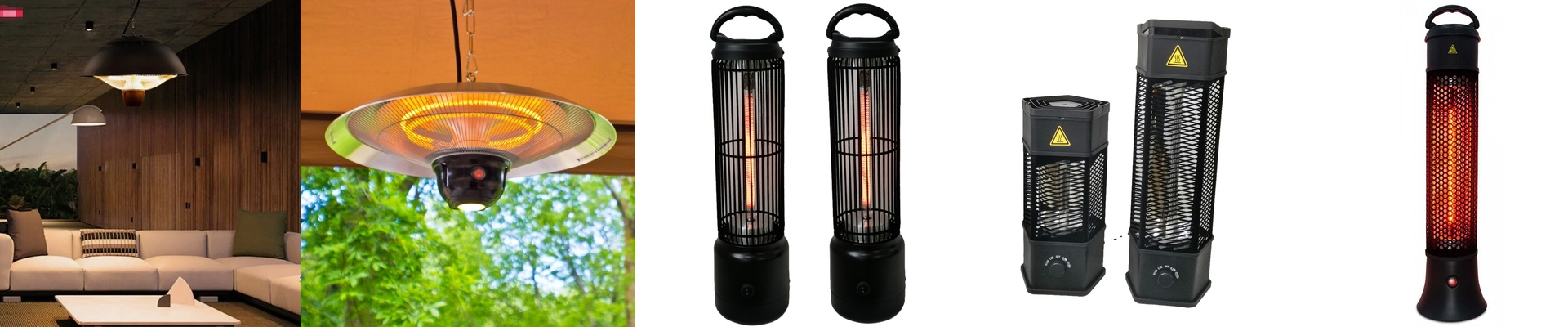
Let’s be honest: mixing high-heat lamps with flammable chemical solvents is a nerve-wracking prospect. When you’re running a cleaning line, the last thing you want is a spark turning your shop floor into a disaster zone. That’s why we don’t just “install” these lamps—we lock them down.
The Secret is in the Seal
Most standard IR lamps leave the terminals wide open. In a room full of chemical vapors, that’s a huge risk. Vapors can sneak into those connection points, leading to arcs or short circuits. We fix this by hermetically sealing the critical junctions. Think of it as a protective cocoon that keeps volatile organic compounds (VOCs) far away from the live current. We also use housing materials that don’t eat away when they hit harsh cleaning agents, so the seal stays tight for the long haul.
Why Carbon Fiber Actually Matters
Carbon fiber isn’t just a fancy material; it changes how the heat behaves. Unlike old-school metal coils that create intense “hot spots,” carbon fiber spreads heat evenly. This is a big deal because it means you aren’t accidentally hitting the flash point of nearby vapors. It’s a much more stable way to get the job done. But here’s the thing: you still have to watch your airflow. The electricals are protected, but the housing still gets hot. If your ventilation quits, heat can build up. Keep your fans running, and you’re golden.
Getting It Up and Running
We built these to be drop-in replacements. You shouldn’t have to rebuild your entire array just to upgrade. We also use reinforced cabling. Why? Because cleaning machinery vibrates. A lot. Over time, that shaking can loosen a standard seal, but these are built to hold on. One last tip:**make sure your grounding is rock solid.**It’s your final safety net against static discharge. Once that’s set, you can crank up the heat for drying or curing and actually sleep at night knowing the shop is safe.