
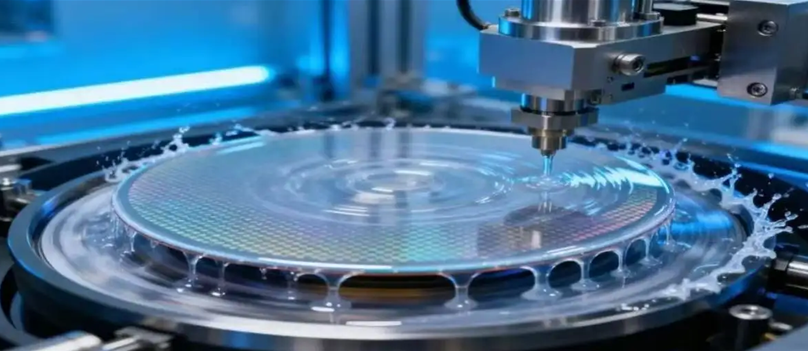
Keeping Things from Blowing Up: IR Drying in the Fab
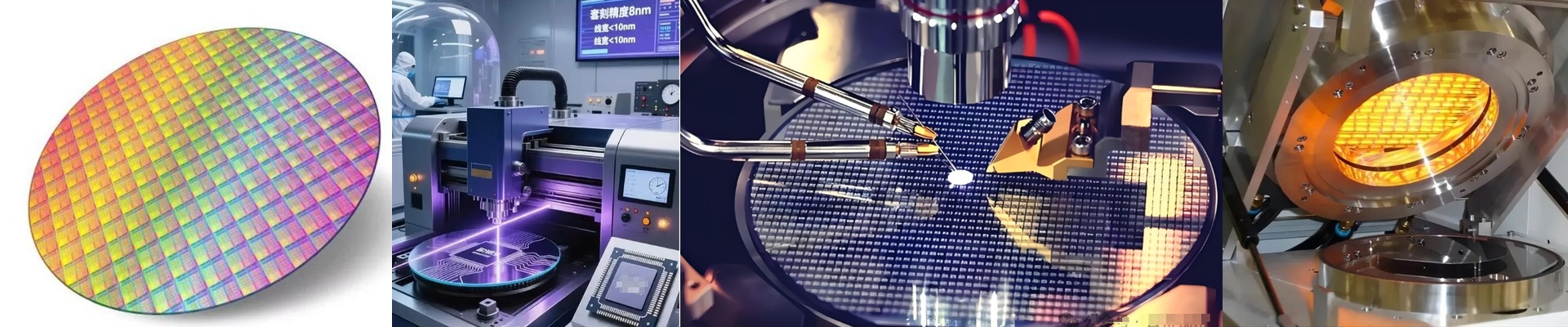
If you’re drying wafers or substrates in a fab, you know the drill. You’re usually dealing with cleaning residues that are—to put it bluntly—highly flammable. In that kind of environment, a standard IR lamp isn’t just a tool; it’s a liability. One tiny spark or a hot terminal, and you’ve got a disaster on your hands. We handle this by ditching open-air lamps entirely. Instead, we use encapsulated IR systems. The Secret is in the Seal We don’t just throw a cover over the lamp and call it a day. We use a hermetically sealed envelope—usually quartz or sapphire—tucked inside explosion-proof housing. Think of it as a physical wall between the heat and the fumes. It keeps those volatile chemical vapors far away from the electrical contacts. Even if a lamp burns out, the seal makes sure no sparks or stray heat leak into the chamber. It’s peace of mind, plain and simple. Dealing with the Heat This is where a lot of setups fall apart. High-wattage lamps get incredibly hot, and if the housing itself becomes an ignition source, you’re back to square one. To stop that, we use heat-dissipating alloys and brackets that are built specifically for this. We keep the footprint tight. This pushes the heat exactly where it needs to go—toward the substrate—while keeping the outside of the casing cool enough that it won’t trigger a flash point. The Trade-off Now, here’s the catch. When you put a layer of material between the filament and your target, you lose a bit of that raw, direct punch. You aren’t getting 100% of the radiant efficiency you’d get from a bare lamp. You might need to bump up the wattage or let the parts sit under the heat a little longer to get them dry. It’s a small price to pay for a process that won’t blow up your lab. Just make sure you’re using the right explosion-proof conduits and double-check your sensor calibrations to account for that extra distance. Do that, and your line keeps moving without anyone worrying about a fire.