

Stop Wasting Watts: A Smarter Way to Handle IR Emitters
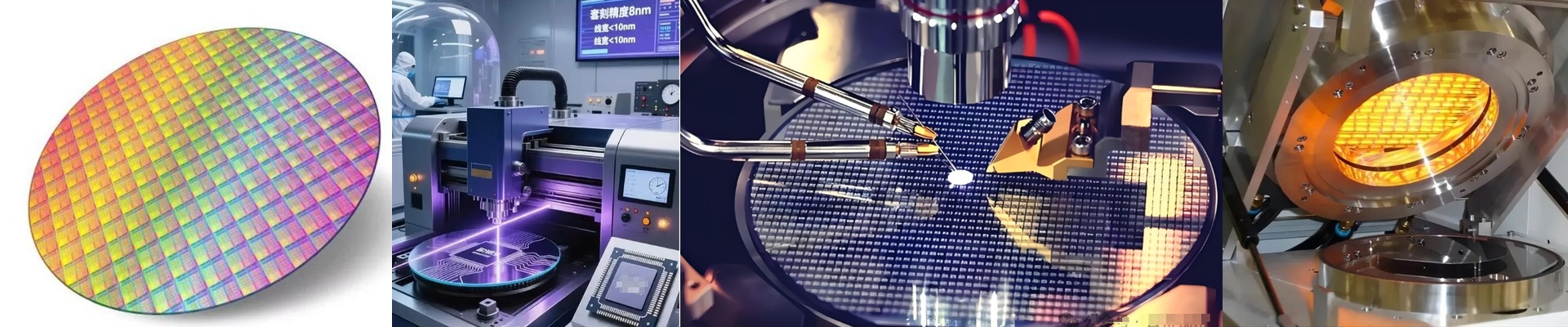
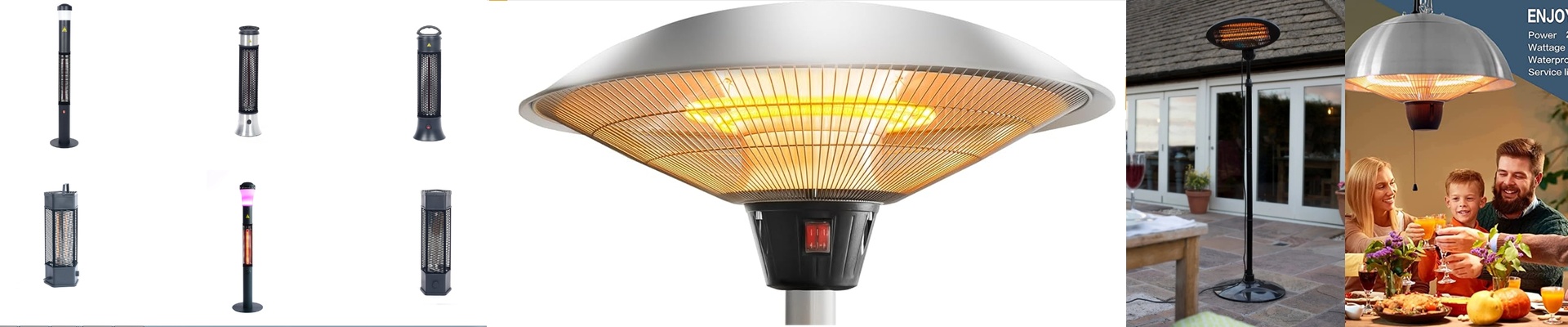
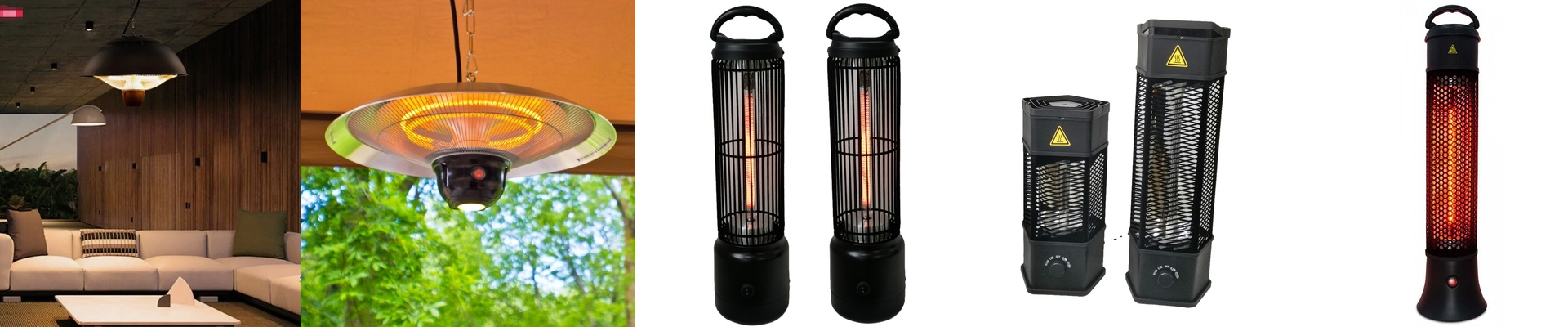
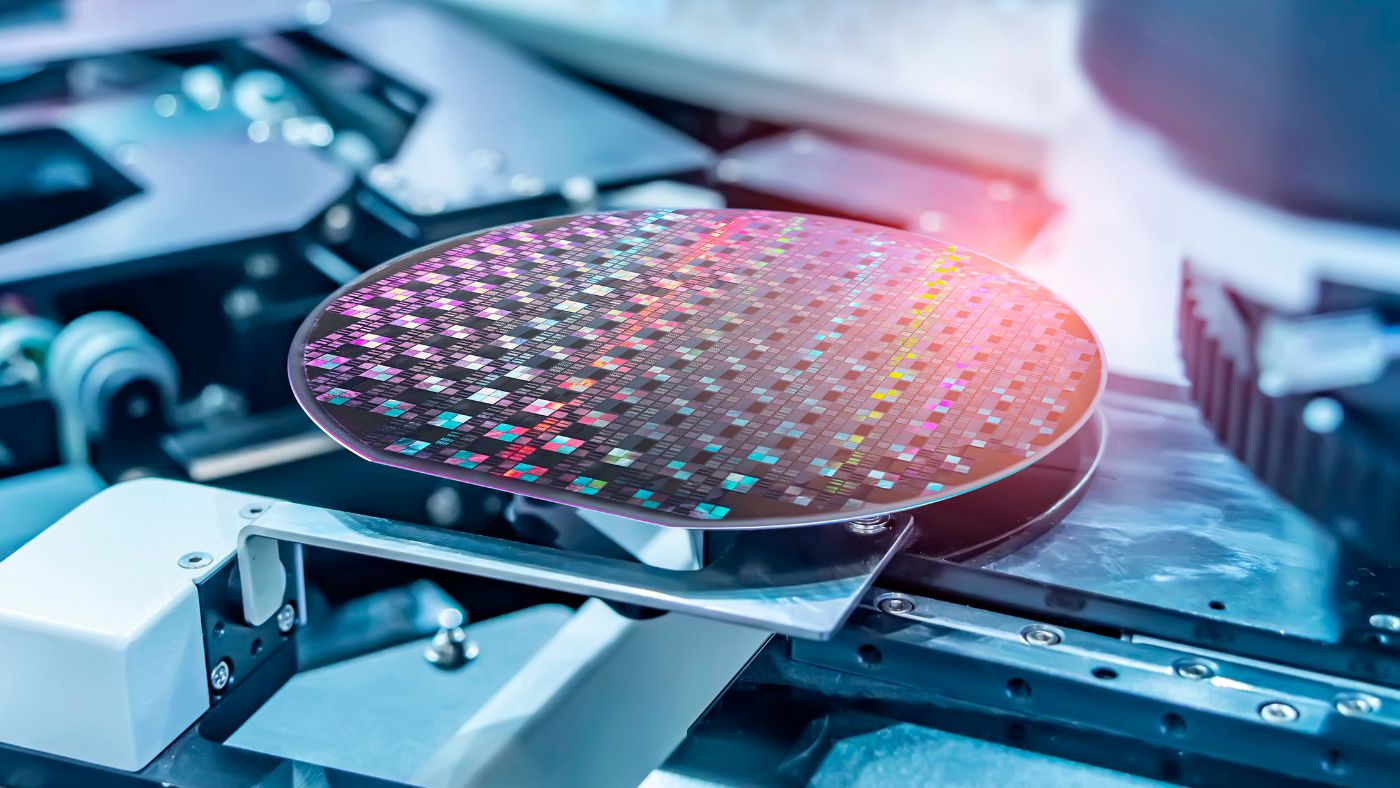
In semiconductor wafer processing, wasting energy isn’t just an expense—it’s a design flaw. If you’re paying for electrical input, you want every single watt hitting that wafer surface, not disappearing into the air. That’s where gold coatings and high-grade ceramic end caps come into play. The trick with gold Standard quartz emitters are a bit unfocused; they throw heat in every direction. We fix that by applying a gold coating to the back of the tube. Think of it as a thermal mirror. Because gold reflects infrared radiation so well, it pushes all that heat forward toward your target. You get a much tighter thermal profile and faster ramp-up times without having to crank up the power. It’s a cleaner, more direct way to get the job done. Don’t overlook the end caps Then you’ve got the interface between the quartz tube and your power supply. We use ceramic end caps here because they can actually take the heat. Cheap materials tend to warp or leak gas (outgassing) when things get scorching, but ceramic stays put. It keeps the electrical insulation solid and the mechanical support steady. One quick tip:**Keep your wiring tight.**If those connections at the end cap are loose, you’ll get hotspots. And hotspots are the fastest way to burn out an emitter. The trade-off Now, there’s a catch. When you push all that heat toward the wafer, the lamp tube itself gets a lot hotter. If you’re running a high-wattage system, you’ve got to make sure your cooling manifold can keep up. If the area around those ceramic caps gets too hot, your lamp’s lifespan is going to tank. It’s a simple balance: you get way more efficiency at the wafer, but you have to be more diligent about your cooling.