Getting IR Curing Right for Lead-Free Semi Standards
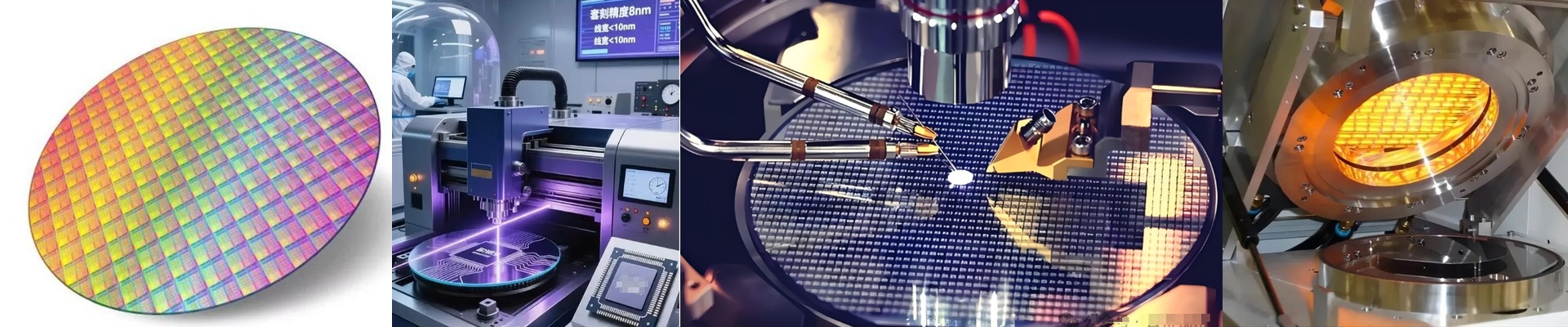
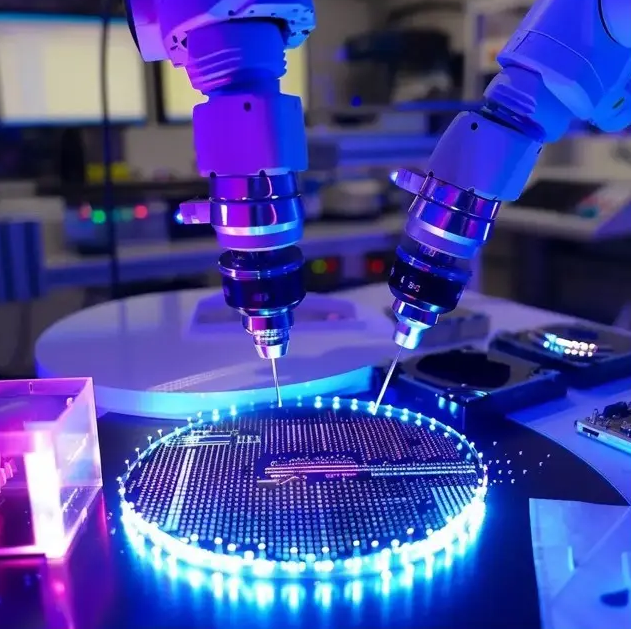
Let’s talk about drying semiconductors. These days, the rules are strict. You’ve got to hit those “lead-free” and eco-friendly benchmarks, or you’re stuck. That’s why we lean on IR curing. It’s just cleaner. You aren’t messing around with chemical solvents, and you aren’t wasting a massive amount of energy heating up an entire room just to dry a few parts. We use infrared radiation to kick the moisture and solvents right out of the substrate. It’s direct. It’s efficient.
Why we use aluminum reflectors
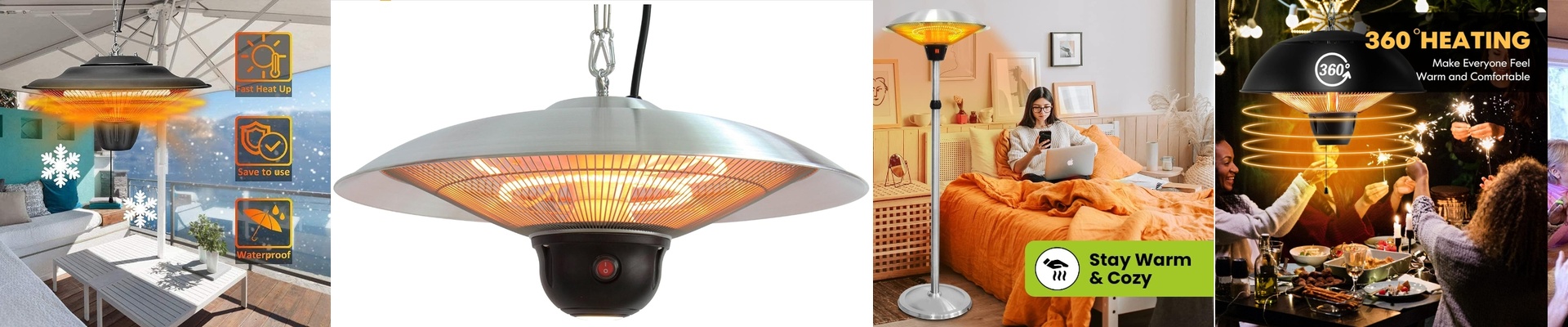
Here is the thing about IR lamps: they throw energy in every single direction. 360 degrees. If you just hang a lamp in a machine, half that heat hits the frame and disappears. Total waste. To fix that, we wrap the lamps in high-purity aluminum reflectors. They act like a mirror for heat, bouncing that wasted energy right back onto the workpiece. We use aluminum because it’s great at reflecting short and medium-wave IR. By curving those reflectors—think parabolic or elliptical shapes—we can concentrate the heat exactly where it needs to be. The result? Your curing time drops. Your power bill drops. Everyone wins.
The tricky part: Heat management
It sounds simple, but there’s a catch. When you bounce more heat onto the part, the lamp tube itself gets way hotter. If you pair a high-wattage lamp with a tight reflector, the heat builds up fast. It can stress the ends of the lamp, crack the quartz envelope, or oxidize the electrodes. You can’t just “set it and forget it.” You have to make sure your cooling fans are actually beefy enough to handle the load. Otherwise, you’re just building a very expensive heater that’s prone to breaking.
Making “Green” actually work
This whole setup is a great way to hit environmental standards without making your life miserable. You get rid of VOC emissions and stop burning electricity for no reason. Plus, it’s a pretty easy swap if you’re still using those old, clunky gas-fired systems. The real secret is in the geometry. We obsess over the shape of the reflector so the heat spreads evenly across the wafer or PCB. If you get it wrong, you get hot spots. And hot spots lead to warped substrates. It all comes down to how the lamp sits in that aluminum housing. Get the alignment right, and you get a perfect cure. Get it wrong, and you’re looking at a splotchy mess.