

Stop the Bathroom Mold Battle (Without the Scrubbing)
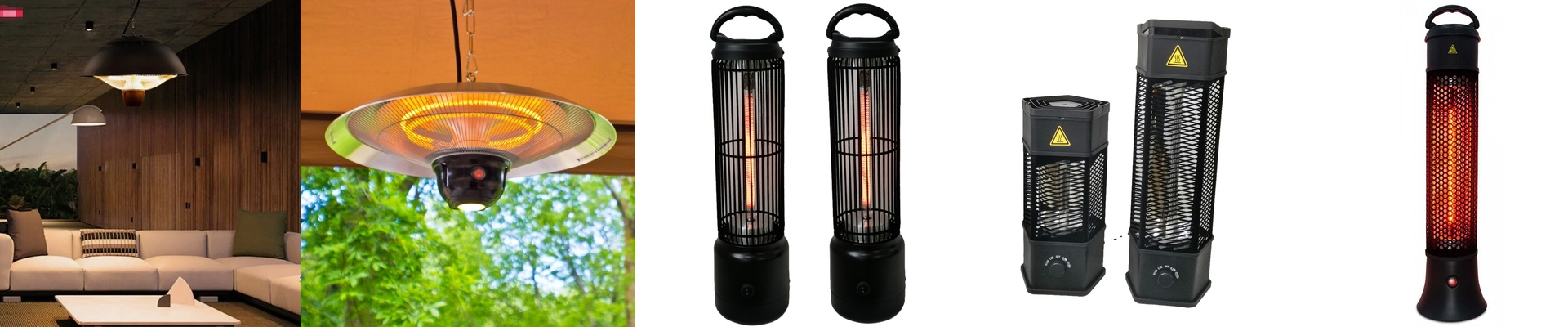
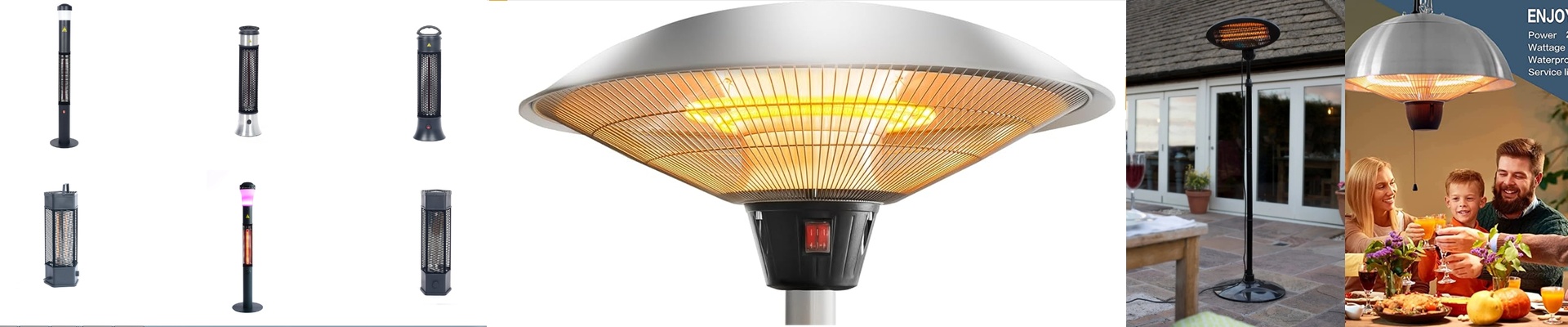
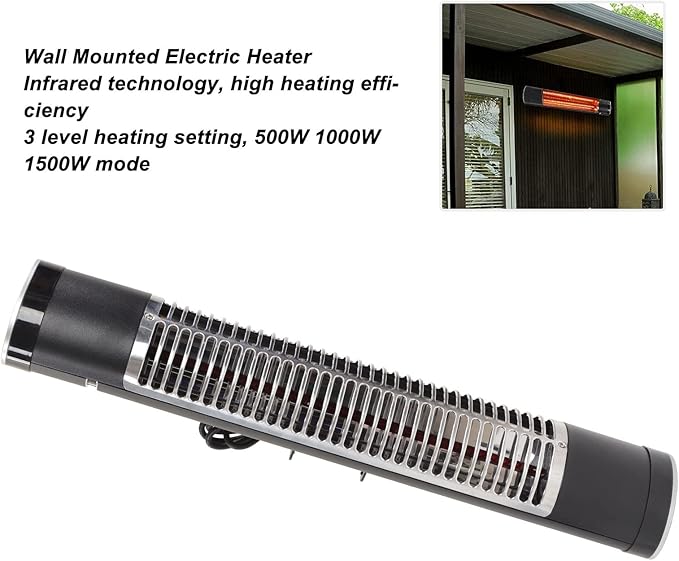
Most people think a bathroom heat lamp is just there to keep you from shivering when you step out of the shower. But if you look at it from an engineering side, it’s actually a tool for fighting humidity and those annoying little black spots of mold. Instead of just warming up the air, we use shortwave infrared emitters. Basically, it targets the moisture hiding inside your walls and tiles, not just the steam you can see.
How it actually works
Here is the thing: water molecules love infrared energy. When these lamps kick on, the energy sinks right into your grout and tiles. It heats up the trapped water so fast that it turns into vapor and pushes itself out of the porous surfaces. It’s like a fast-forward button for drying. Since mold needs a damp home to grow, taking away the moisture means the spores have nowhere to settle. No dampness, no mold. Simple.
Built for the steam
Bathrooms are brutal on electronics. That’s why we build these to IPX5 standards. In plain English? You can have a steamy room or a few splashes of water hitting the unit from any angle, and it won’t fry the circuitry or short out. We also use quartz glass for the bulbs. Why? Because quartz can handle the shock of going from cold to scorching hot in a second without cracking. Plus, there’s no “warm-up” period. You flip the switch, and you feel the heat instantly.
A few things to keep in mind
Now, this kind of heat is intense. Because it’s so concentrated, you have to be smart about where you put the fixture. If it’s mounted too low, it can feel a bit too sharp on your skin—almost like a sting. It’s all about finding that sweet spot with the height and wattage so your walls dry out without you feeling like you’re under a heat lamp at a stadium. And just a heads-up: you still need a fan. The lamps push the water out of the walls and into the air, but you still need to vent that air out of the room. Otherwise, you’re just moving the water from your tiles to your ceiling.