



Stop the Mold: Why Your Bathroom Heater Should Do More Than Just Warm Your Toes
Most people buy a bathroom heater because they’re tired of shivering while they get ready in the morning. But when we design these things, we’re thinking about more than just the chill. We’re actually fighting a war against mold. Here’s the secret: it’s not about heating the air. It’s about the light.
Drying the walls, not just the air
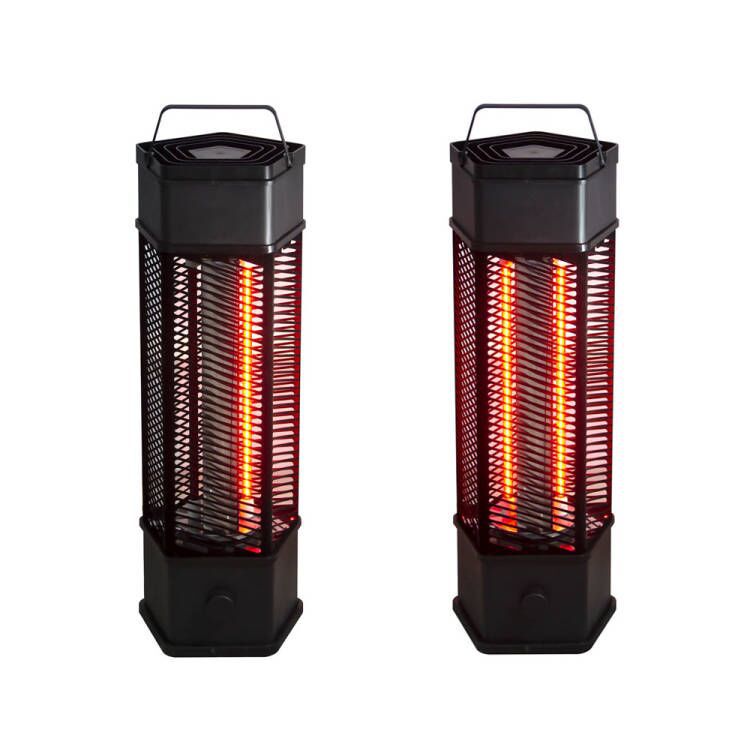
We use something called shortwave infrared. Most heaters just blow hot air around, but this stuff is different. It actually penetrates the surface of your walls and ceilings. Think of it like this: the energy makes the water molecules on your tiles vibrate and evaporate way faster. As long as those walls stay warm, the steam in the air can’t turn back into liquid droplets.No condensation, no standing water, and no place for mold spores to set up shop. It’s a much cleaner way to keep a bathroom fresh.
Built to survive the steam
Let’s be honest: water and electricity are a nightmare pairing. That’s why we use IP66-rated casings. In plain English? These units can take a direct splash or a heavy cloud of steam and they won’t blink. But keeping water out is only half the battle. These things get hot. Really hot. To stop the frame from warping or melting over time, we use heavy-duty gaskets and alloys that can handle the constant cycle of heating up and cooling down without breaking a sweat.
A couple of things to watch out for
It’s not all magic; there are a few things you need to get right during install. Because shortwave heat is so intense, it can be a bit aggressive if it’s too close to something. If you mount the unit too low or right next to something flammable, you might end up with a scorched spot.**Pay close attention to the mounting height.**You want the heat to spread evenly across the room, not create a “hot zone” that damages your fixtures. One last tip: give it its own dedicated circuit. These units pull a lot of power the second you flip the switch. If you’re using an undersized breaker, you’re probably going to trip it. Once it’s wired in and humming, you’ll notice you don’t have to rely on that loud, clunky exhaust fan nearly as much. Everything just stays dry.