

How to Stop Your Outdoor Heaters From Dying Early
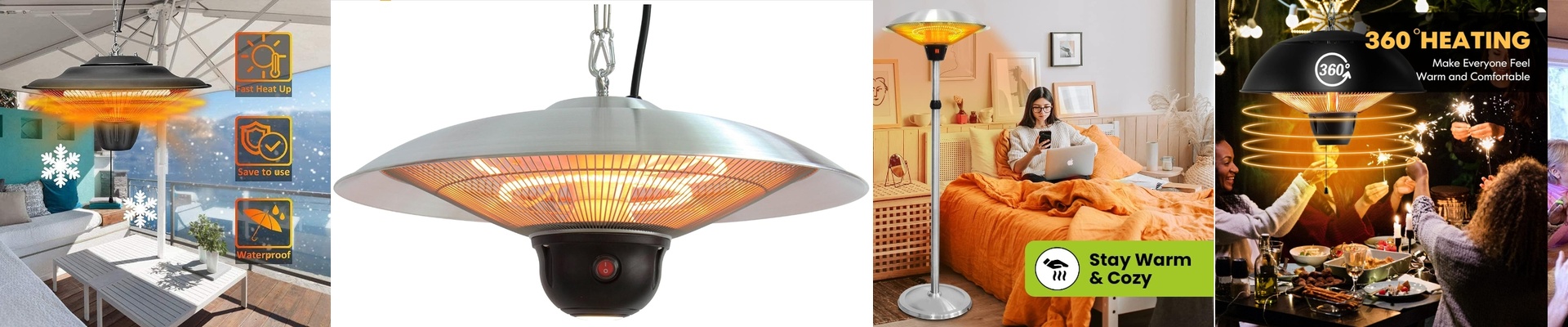
If you’ve ever put an infrared heater outside, you know the deal. You’re fighting a constant battle against rain and humidity. Most people think a little water just causes a short circuit, but it’s actually sneakier than that. Moisture creates this thin, conductive film on the heating element. It’s an invisible killer that burns out your heater way faster than it should.
Keeping the Water Out
We don’t just throw a plastic cover over our units and call it a day. We build them to a strict IP standard because that’s the only way to actually keep water away from the electrical terminals. The housing is splash-proof, so a sudden rain shower won’t drip right into your wiring. But the real secret is in the gaskets. We seal every single entry point. If air can get in, water can get in. Period. Then there’s the “fog” problem. When it’s humid, the lens and reflector get cloudy. It looks like a steamed-up window. This is a problem because that fog blocks the heat waves. The heater then has to work twice as hard—running way hotter—just to keep you warm. To fix this, we use hydrophobic coatings and tweaked the airflow to keep the path clear.
Why Your Heating Tube Actually Snaps
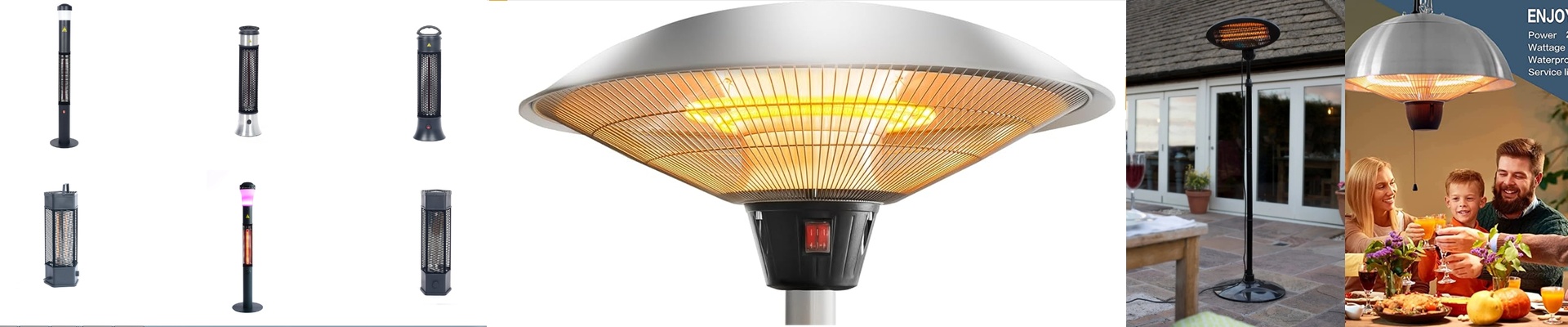
Here is the science bit, but kept simple: water on a red-hot quartz tube is a disaster. When a drop of water hits that glass, it cools one tiny spot instantly while the rest of the tube stays scorching. That temperature gap creates massive stress. You get these tiny micro-cracks. Once the vacuum seal breaks, oxygen rushes in, the filament oxidizes, and snap. Keeping the tube dry isn’t just about “protection”—it’s about making sure the glass expands and contracts evenly so it doesn’t shatter.
A Few Things to Keep in Mind
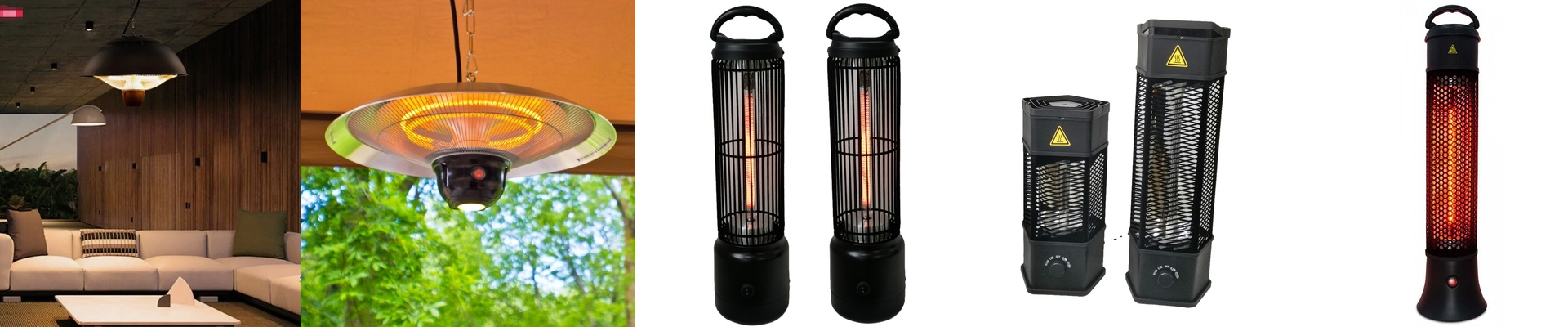
Full waterproofing comes with a trade-off: the heaters are a bit bulkier. They have a larger footprint than the ones you’d put in a living room. Just make sure your mounting brackets can handle the extra weight of that protective shell. And please, do yourself a favor: use grounded, weather-rated cabling. If you skip the grounding, the fancy moisture-resistant housing won’t save your controller from a power surge. One last tip? Check your drainage paths. If water pools at the base of the heater, you’re basically asking for trouble. Keep it draining free and your heater will actually last.