


Why we use Infrared Curing in the Cleanroom
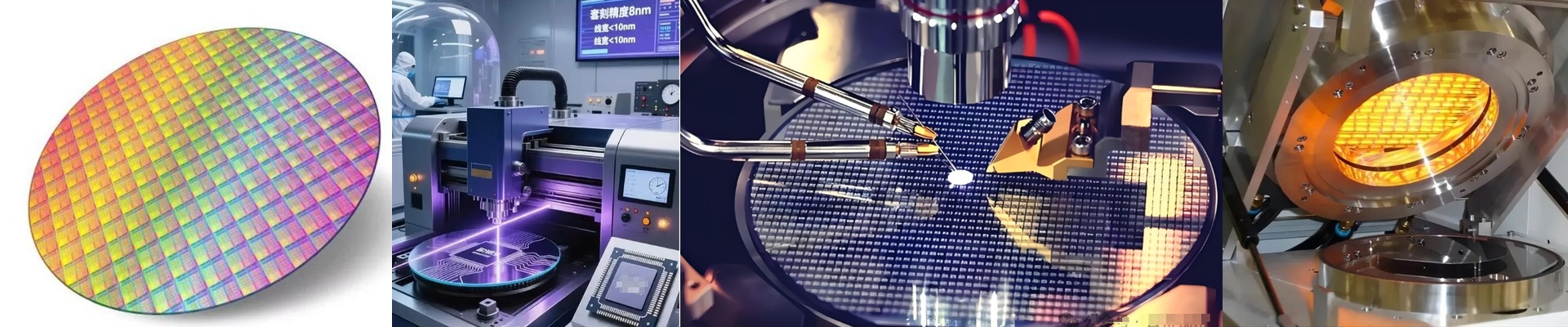
When you’re working in semiconductor fab, “clean” isn’t just a goal—it’s everything. Any bit of residue or a single stray particle can ruin a whole batch. For a long time, people relied on convection ovens. But here’s the problem: those things just blast forced air. You end up spending a ton of electricity just to heat up the room before the wafer even feels a thing. Plus, moving all that air around is a great way to accidentally kick up dust. That’s why we use infrared (IR) curing. We basically just cut the air out of the equation. Heating the part, not the room Think of it like standing in the sun on a cold day. You feel the heat instantly, even if the air around you is freezing. That’s exactly how IR works. The energy goes straight into the substrate. Because it’s so precise, we can ditch the old-school solvent catalysts and lead-based fluxes. We just tune the wavelength to match the photoresist or adhesive we’re using, and we hit the target temperature in a few seconds. It’s fast. Really fast. Cutting the power bill (and the risk) Most thermal tunnels are just “always on.” They run 24/7 to keep everything steady, which is a massive waste of power. IR lamps are different. They’re instant-on. We can set them up so they only fire the second a wafer slides into position. Your kWh per unit drops significantly. And since there’s no combustion or air blowing everywhere, your Class 10 cleanroom actually stays clean. The tricky part It’s not all plug-and-play, though. High-intensity IR creates some serious localized heat. If your wafer is thin or can’t handle high temps, it’ll warp. That’s a nightmare. To stop that from happening, you need a solid PID controller and closed-loop pyrometers to make sure you don’t overshoot the mark. I usually suggest pulsing the lamps. Instead of running them at 100% the whole time, you give it a heartbeat. It keeps the thermal gradient under control and saves the hardware. At the end of the day, switching to IR isn’t just about being “green.” It’s about slashing your cycle times and getting rid of those nasty lead-based chemicals. As long as you get the wiring right and keep an eye on the cooling, it’s the cleanest way to get the job done.