
Stop Your Tooling Cabinets From Overheating
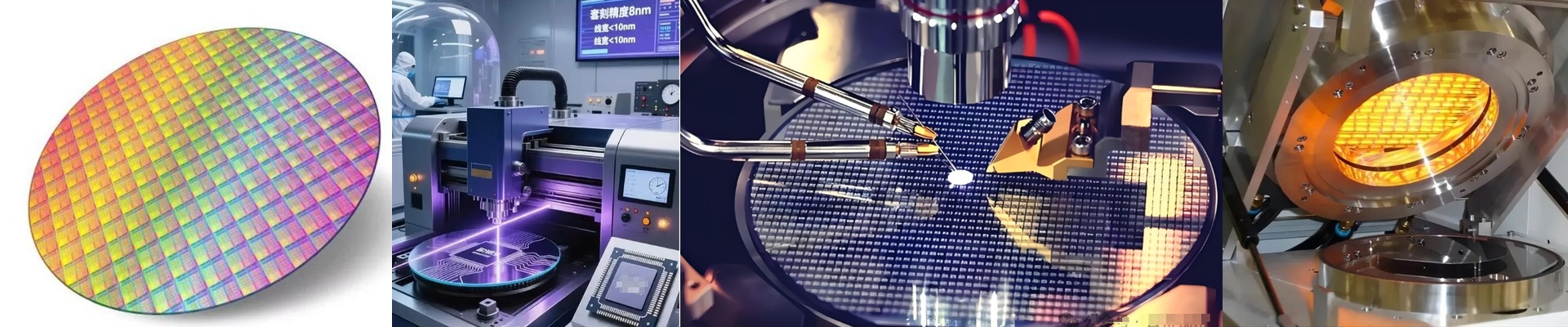
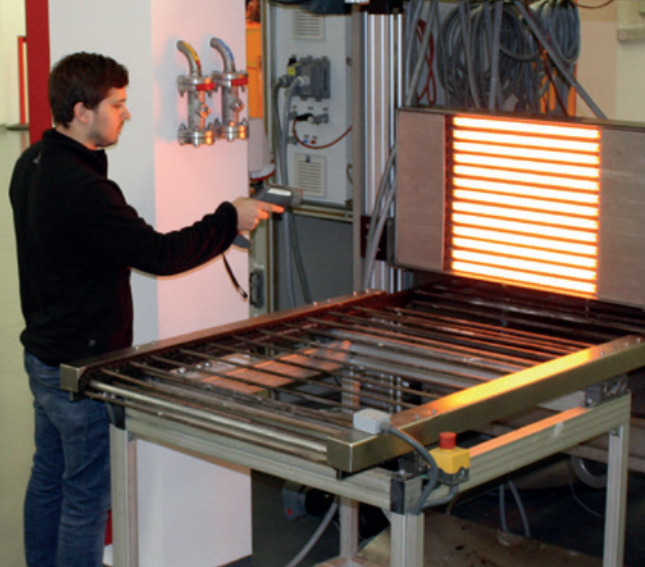
Most heating elements are a bit messy. They throw heat in every single direction—360 degrees of energy. When you’re working in a tight semiconductor chamber, that’s a problem. The inner walls start soaking up all that heat, and before you know it, the equipment is dangerously hot to the touch. We handle this by using directional infrared (IR) heating. Instead of letting the heat wander, we point it exactly where it needs to go: the substrate. Your equipment walls stay cool, and your operators don’t have to worry about getting burned.
How we actually move the heat
We use short-wave IR lamps with a reflective backing. Think of it like a flashlight for heat. It pushes the energy forward, hitting the target directly instead of wasting it on the air or the machine frame. It’s fast. Really fast. And since you aren’t fighting “heat soak” inside the tool, your facility’s HVAC doesn’t have to work overtime just to keep the room breathable.
The deal with Teflon wiring
High-wattage IR lamps get incredibly hot. If you use standard PVC or silicone wiring near the lamp head, it’s going to melt. It’s only a matter of time before the insulation fails and you’ve got a short circuit on your hands. That’s why we use Teflon (PTFE) coated wire. It can take the heat without breaking a sweat. One quick tip: keep an eye on your wire gauge. If you go too thin to save space, you’ll hit a voltage drop. That kills your consistency, and in this business, consistency is everything.
A few things to watch out for
Directional heating is a precision game. If your lamp is off by just a few millimeters, you’ll end up with cold spots on your wafer. It’s frustrating. To stop that, make sure your mounting brackets are locked down tight so nothing vibrates out of place. Also, a heads-up on the wiring: Teflon is tough, but it’s stiffer than silicone. Don’t try to force it into tight corners. Give it a wider bend radius in those cramped cabinets, or you’ll put too much stress on the terminals.