
Stop Gambling With Your Bio-Sensor Batch
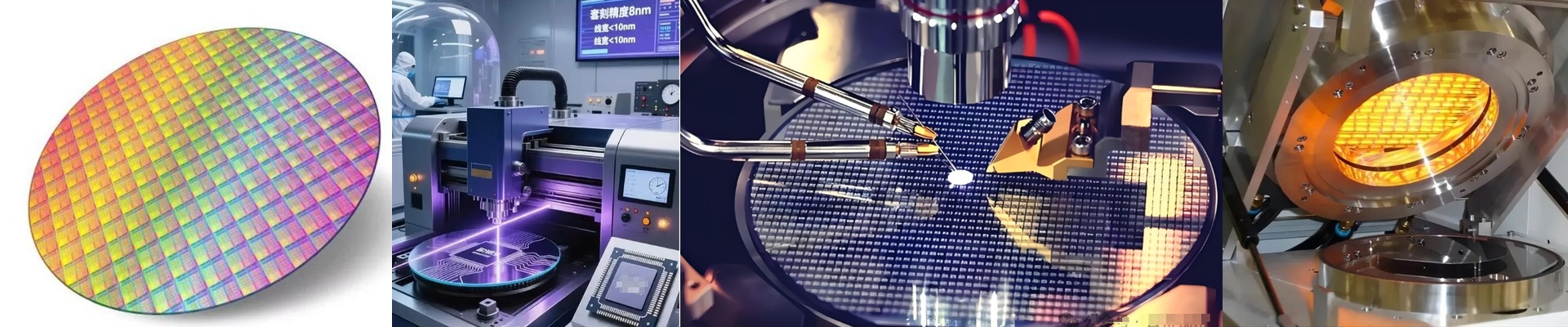
When you’re fabricating bio-sensors, the thermal profile has to be spot on. There’s no room for “close enough.” The nightmare scenario? A tiny voltage leak or a dielectric breakdown in your IR lamps. One flicker, one spark, and you’ve just fried your control boards or wasted an entire batch of sensors. It’s a costly mistake that’s honestly avoidable. That’s why we don’t do “random sampling.” We testevery single tubefor dielectric integrity and withstand voltage before it even leaves our shop.
Why we obsess over insulation
In a cleanroom, you’re fighting more than just heat—you’re fighting electrical noise. A microscopic crack in the quartz or an electrode that isn’t sitting quite right can cause arcing. It’s a disaster waiting to happen. We push every lamp to its absolute voltage limit to make sure the insulation holds. If a tube fails? It goes in the scrap bin. Period. We do this so you don’t have to guess. When you wire these in, you can trust that the current is staying exactly where it belongs: in the filament.
The reality of high-output lamps
Here is the trade-off. You need high-wattage lamps for that intense heat density to dry substrates or cure materials quickly. But that extra power puts a lot of stress on the seals and connectors. Our lamps can handle the heat, but your setup needs to keep up. Make sure your housing is grounded. And a quick tip: check your airflow. If the cooling isn’t hitting the mark, that ambient heat will eat away at your wiring over time. It’s a slow burn, but it happens.
Fewer “ghosts” in the machine
Ever deal with those weird, intermittent faults in your PLC that you just can’t track down? Often, those are just “ghosts” caused by leakage currents. Using lamps that have been fully vetted means you stop dealing with those unplanned shutdowns. They’re simple drop-in replacements that fit into tight spaces, giving you a safety margin that actually lets you sleep at night.