
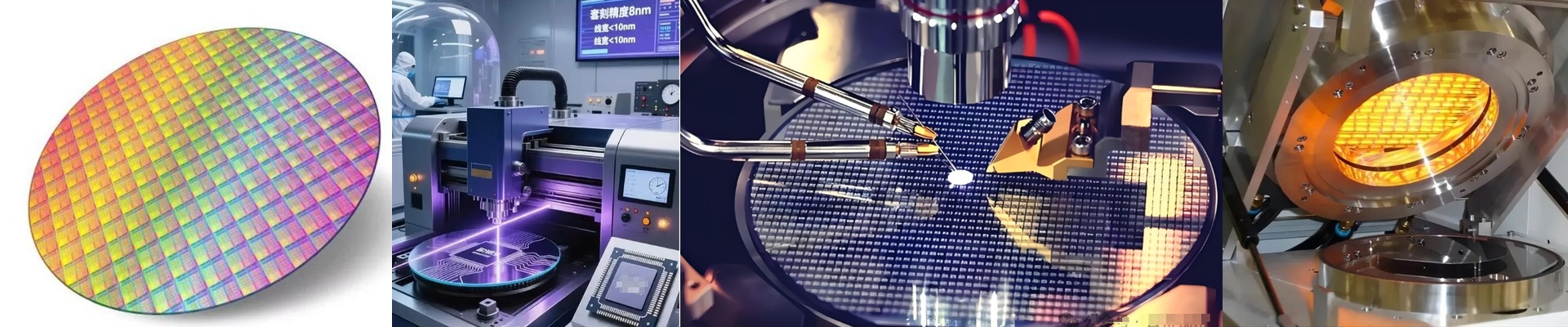
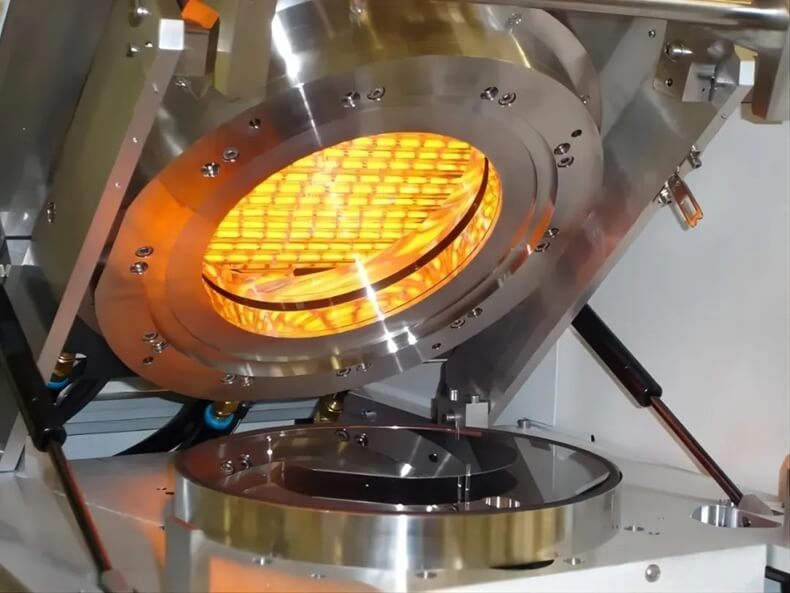
On the fab floor, a soft bake or hard bake isn’t just another step. It’s a gate. A 1°C drift during photoresist processing is enough to shift linewidths, invite defects, and scrap an entire lot. We built the Digital Infrared Dryer Controller to take that thermal risk off the table.
What matters, technically
The controller uses a closed-loop NIR sensor paired with a fast-response emitter to hold setpoint with ±0.1°C uniformity across the wafer plane. You get repeatable bake profiles for photoresist, and the ramp control keeps solvent evaporation kinetics intact—no skinning. It fits cleanroom reality: Class 1–100 compatible, zero particle generation, and a build that stays low on outgassing. The system runs 7×24, with zero unplanned downtime across multi-shift deployments and a service life exceeding 50,000 hours.
Why it works in lithography
In lithography and photoresist processing, yield lives or dies on thermal budget discipline. This controller stabilizes temperature where it counts—at the wafer—so critical dimension control becomes predictable instead of reactive. Repeatability shortens qualification cycles and cuts rework, and the energy efficiency drops operating cost per batch. The result is consistent profiles, fewer scrapped lots, and throughput you can count on without chasing drift.
The details that make it happen
Installation is straightforward, but thermal coupling is mission-critical. The emitter has to be mounted to match the chuck geometry and the carrier’s emissivity; otherwise the loop fights reflection and thermal lag. Plan the interface wiring and grounding to match your equipment’s noise practices, and line up the controller’s profile table with your resist bake recipes. Get those details right, and the unit delivers—day after day, shift after shift.