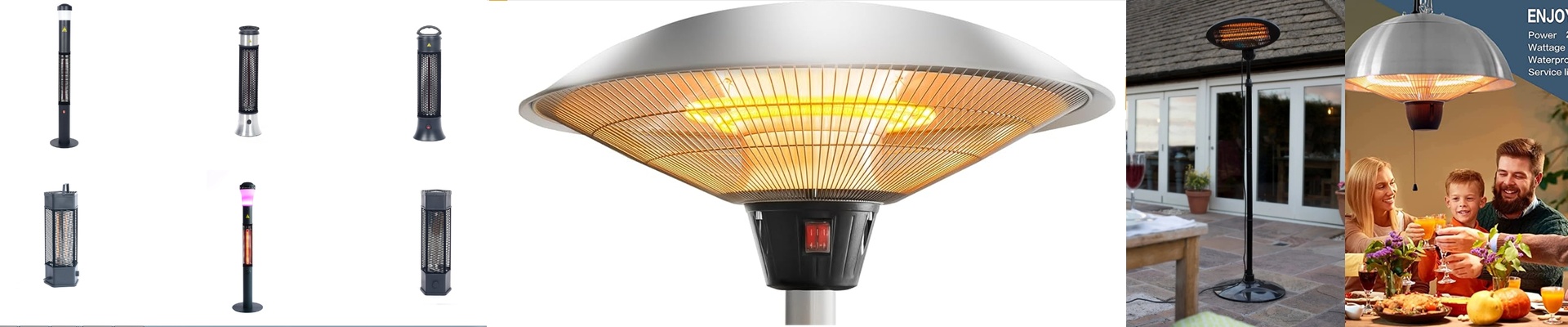

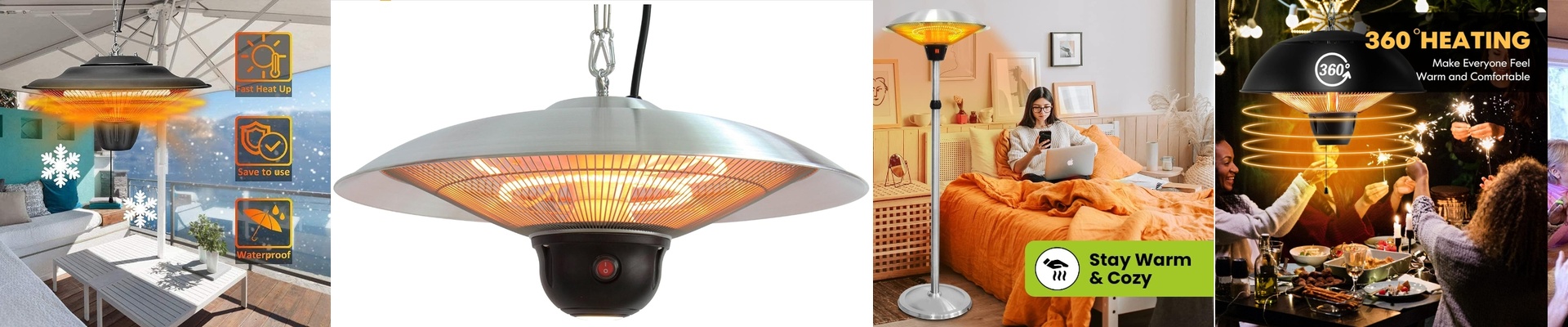
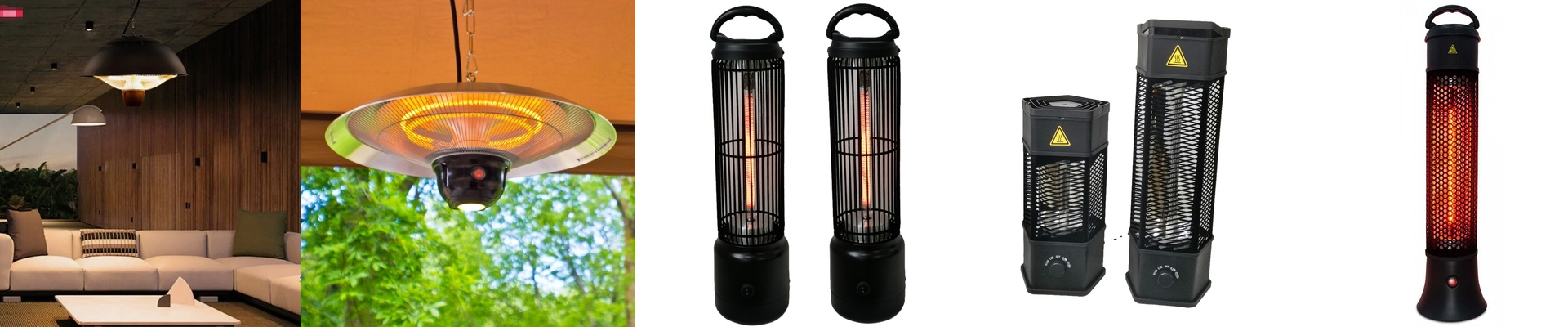
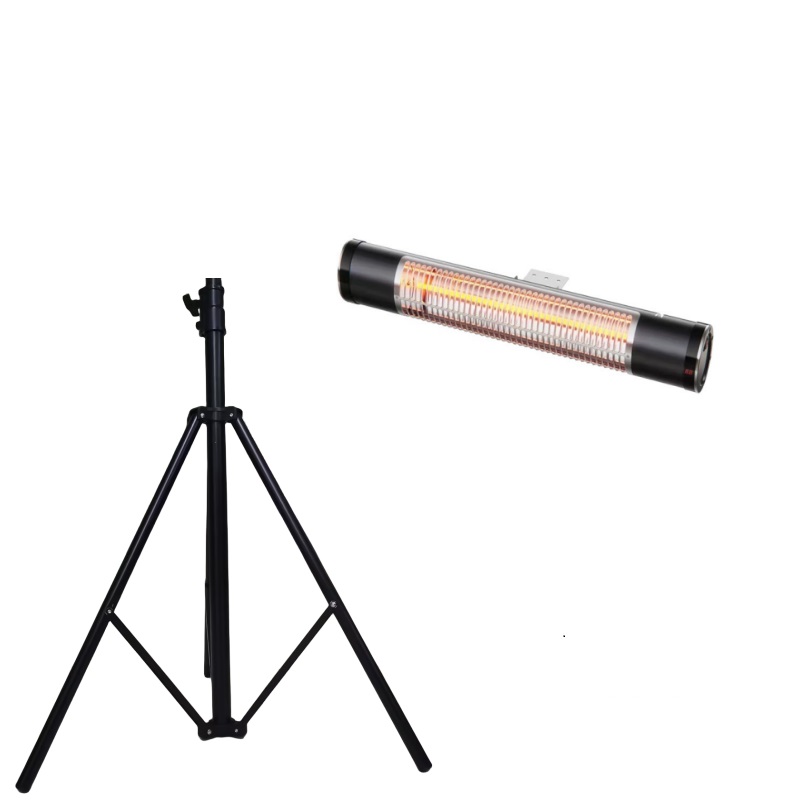
When the air turns sharp, commercial outdoor spaces empty fast. Patrons clear out, events get cut short, and the area you’re paying to keep up starts working against you. Traditional heating fights a losing battle—warming air that vanishes with the slightest breeze. You end up burning energy and chasing comfort that never quite arrives, which doesn’t help when you’re trying to meet ESG targets. Here’s what we built into the pyramid patio heater: radiant infrared warmth. Heat goes straight to people and surfaces, not into thin air. The core is a high-output carbon fiber element inside a sealed quartz tube. It delivers 1,500W of focused heat, and you get it within seconds of flipping the switch. A built-in thermostat keeps output steady, and tip-over protection shuts the unit down if it gets knocked over. The pyramid shape focuses the beam and adds wind resistance, while the IP rating means it can sit out in exposed spots without getting fussy. For commercial real estate, this is about energy discipline and equipment that behaves. Radiant heat lets you warm only the zones you’re actually using, so you’re not heating empty space—and that directly supports sustainability goals. Lower energy draw means smaller utility bills and a tighter carbon footprint, which helps on the ESG side. Because the heat is immediate, outdoor seating and circulation areas become usable faster, so you can extend service hours without waiting around for things to warm up. The durable build also means fewer service calls, keeping maintenance predictable and protecting property uptime. Plan for the basics: a stable, level surface and a standard power outlet. For comfort, aim the heater to cover standing and seated zones—just don’t point it straight into eyes. The unit can handle heavy rain, but it isn’t designed to be submerged. If your site has strict lighting or glare limits, angle the beam to hit floors and tables; infrared reflects off those surfaces as gentle warmth.