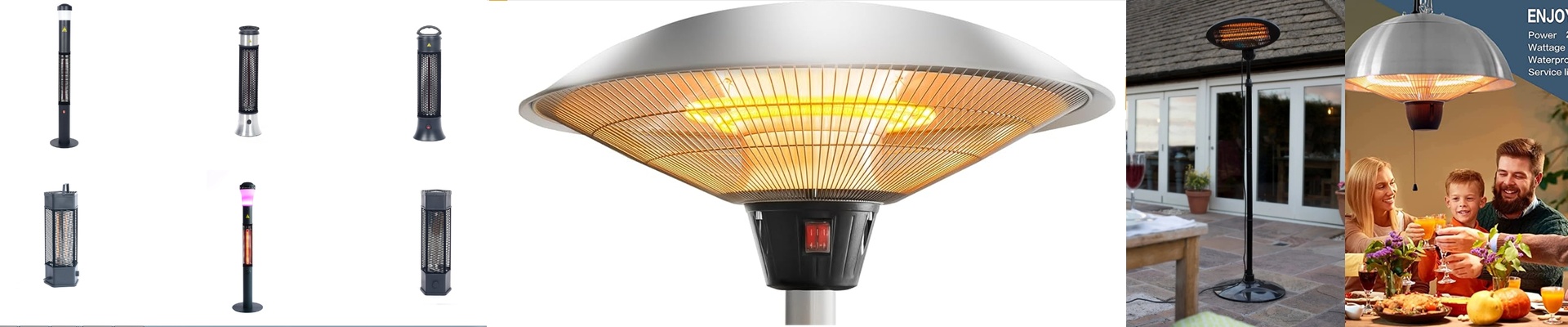
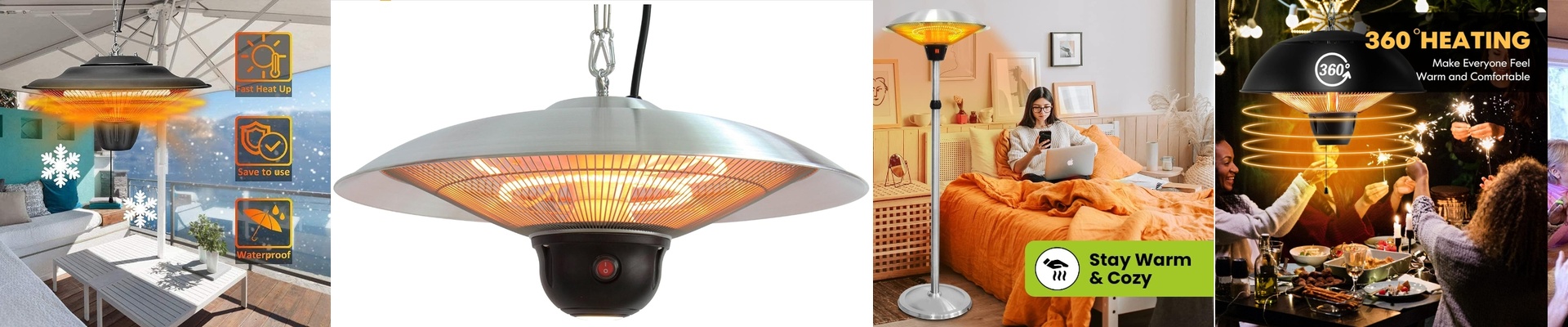
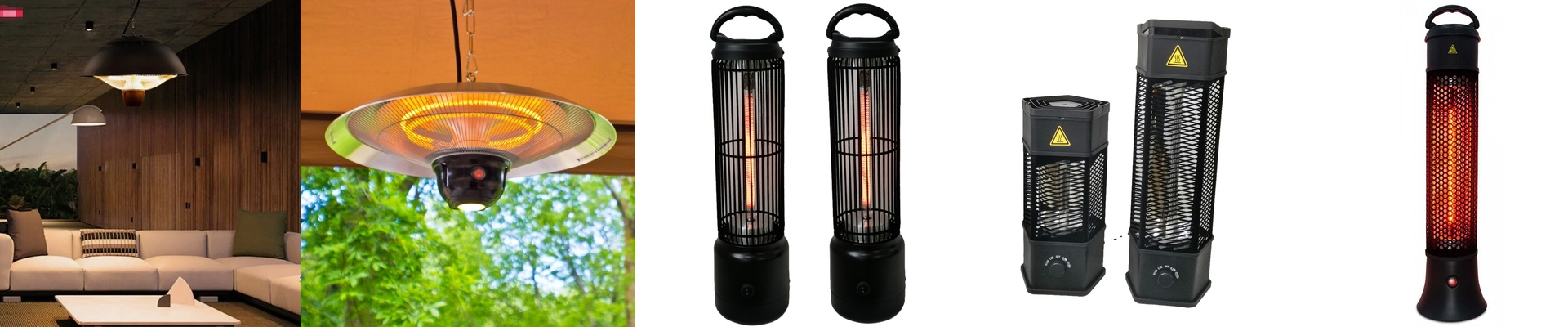


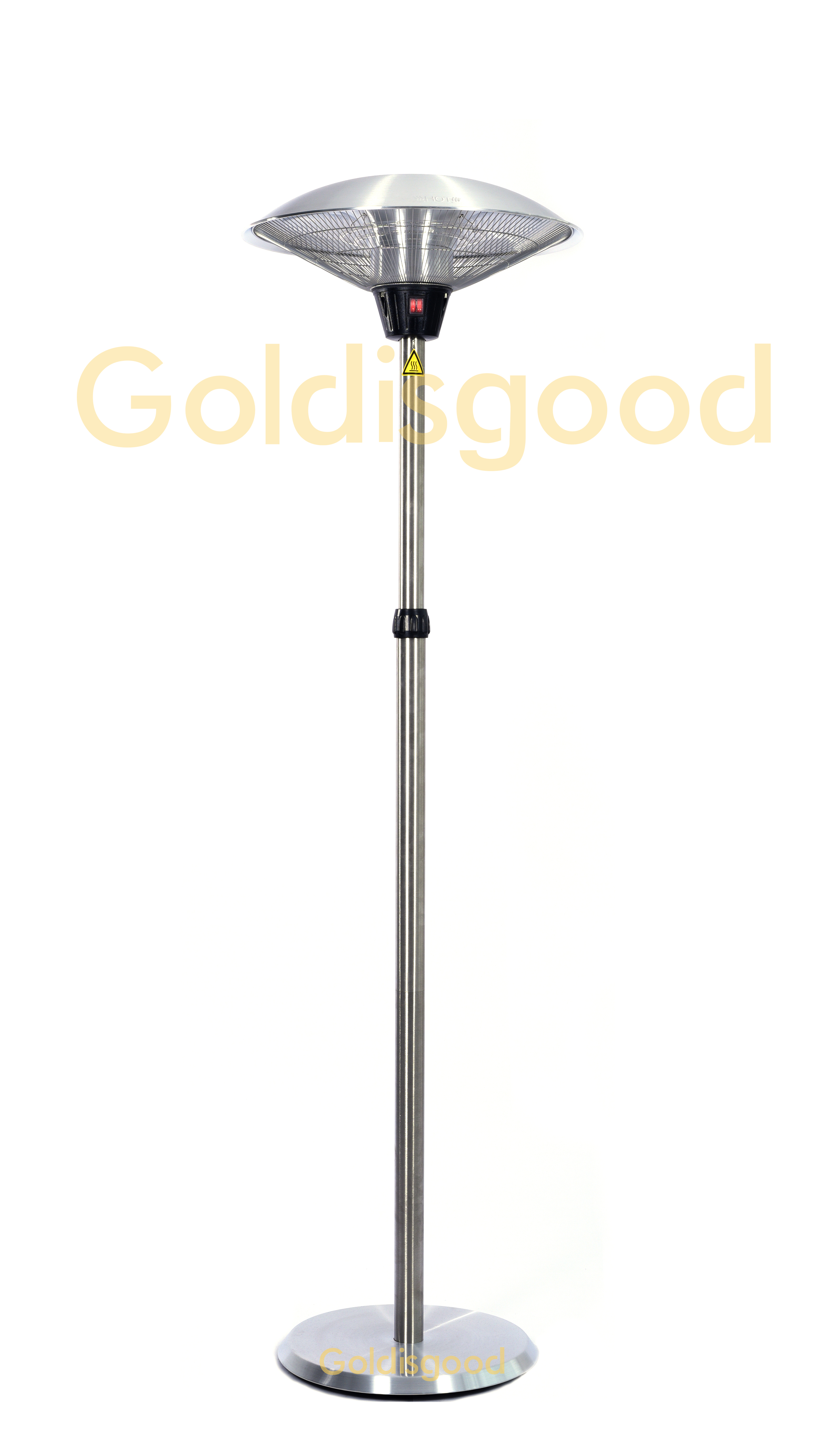
The cold comes on fast. One step onto a chilly patio, into a sunroom, or out in the garage workshop and you’re not just uncomfortable—you’re losing time, focus, and the will to stick around. Conventional heaters warm the air, sure, but you wait for it. Infrared? That’s different. It delivers radiant warmth you feel right away—like standing in sun, without the glare.
What matters, under the hood
Infrared space heaters warm people and objects directly, not the air around them. That’s why comfort hits in seconds, not minutes. We lean on a carbon fiber element or a quartz tube tuned for quick response, pulling 1200–1500W off a standard 120V outlet, with an integrated thermostat to hold a steady temperature. The upshot is targeted warmth that fires up fast and stays consistent. For outdoor use, look for an IP rating that holds against moisture and dust. Indoors, make sure you have tip-over protection and overheat protection—basic safety you don’t think about until you need it.
Why this pairing makes sense
Slot an infrared heater into your smart home and comfort becomes routine. Hook it to Wi-Fi, add it to a scene, and tap “Good Evening” to preheat the patio before you get there. You can schedule warmth around your day, tweak it from the couch, and wake up to a cozy sunroom without running the whole-house heat. Because the heater warms people and surfaces directly, you can run it in focused areas, which helps keep energy use in check.
The practical details—what to watch for
Smart integration depends on your setup, so pick a model that plays nicely with your existing platform. For outdoor installations, keep the unit in a sheltered spot to cut down on wind chill and keep it well clear of combustible materials. Infrared warmth works best with a clear line of sight. Furniture or partitions will cast “shadows,” so position for direct coverage. And remember: radiant heat is quiet and fast, but it won’t warm the air the way forced-air does—plan your use around that reality.