

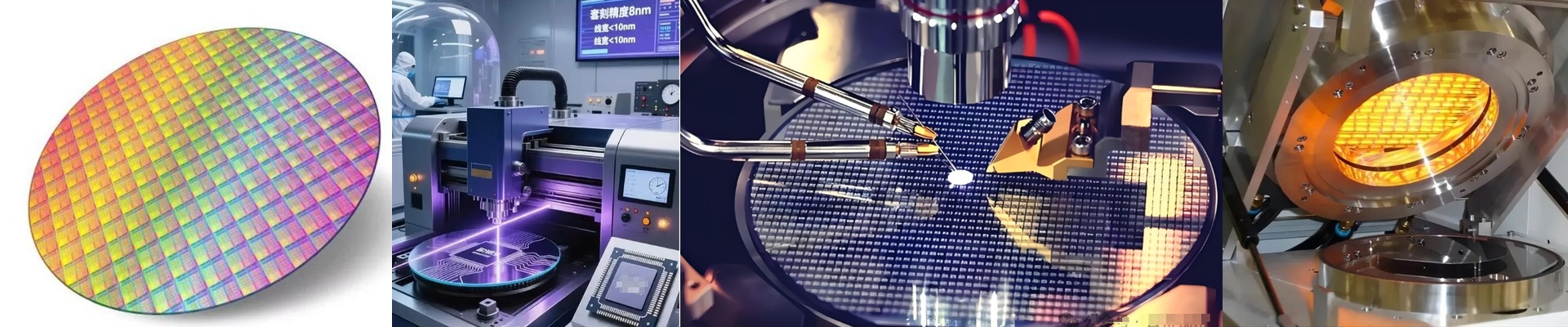
On the lithography floor, EUV resist heating isn’t just another step—it’s your thermal budget, plain and simple. A half-degree drift will tug critical dimension (CD) control, and one stray particle can take out a whole wafer. When the resist heater starts to miss, you pay for it in scrap, rework, and downtime you didn’t plan.
What Actually Matters
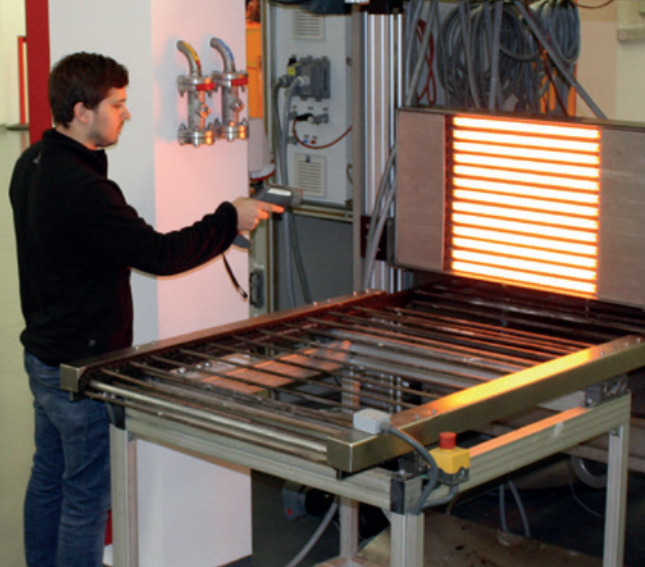
We build these EUV resist heater parts around one thing: repeatable temperature delivery. The core uses short-wave and medium-wave infrared sources, with quartz and carbon-fiber-reinforced elements to hold wafer-level thermal uniformity at ±0.1°C across the bake zone. Ramp-up is controlled deliberately, because soft bake and hard bake need that gentle profile to keep the resist chemistry intact. The hardware is specced for cleanroom Class 1–100, and the materials and finishes are chosen to keep particle generation as close to zero as you can get. In production, that means the photoresist bake temperature stays stable, CD distribution tightens up, and you see fewer excursions that trace back to thermal variability.
Why It Holds Up in EUV
EUV lithography doesn’t leave much room for thermal error. Our resist heater parts keep setpoint stability through the bake profile, so line-width performance stays consistent and defect density drops. The design runs 24/7 with maintenance intervals you can predict, which cuts unplanned stoppages. We manage energy draw without compromising temperature response, so you keep throughput while lowering operating cost. For wafer manufacturing and packaging teams, that translates into higher first-pass yield and less lot-to-lot variability across tools.
The Practical Details
These parts are engineered for specific chamber geometries and connector interfaces. Matching footprint, voltage, and control protocol to your equipment isn’t optional—it’s mandatory for performance. Expect a short commissioning window to tune ramp rates and overshoot limits for your resist stack. If you’re running in high humidity, pay attention to connector sealing; it matters for long-term stability. When everything lines up, the system runs the way lithography demands—quiet, repeatable, and measurable.