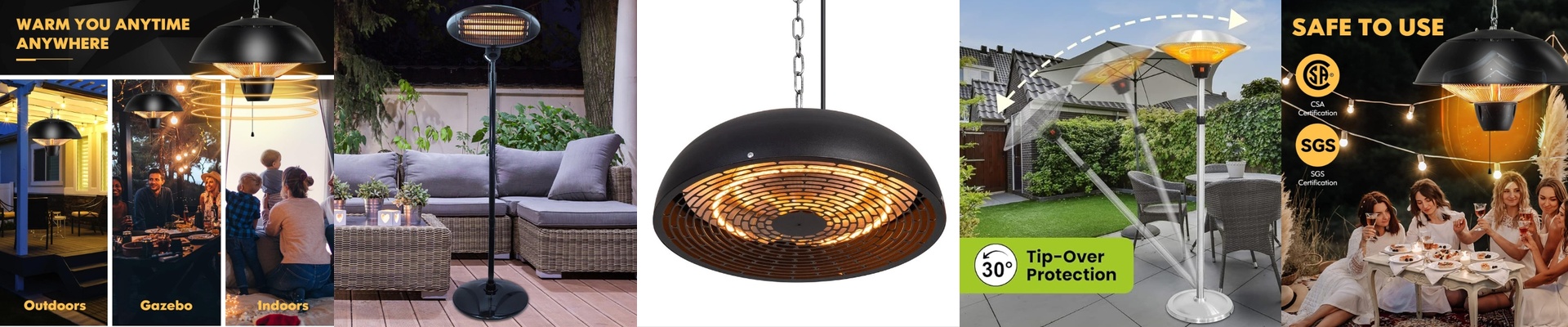
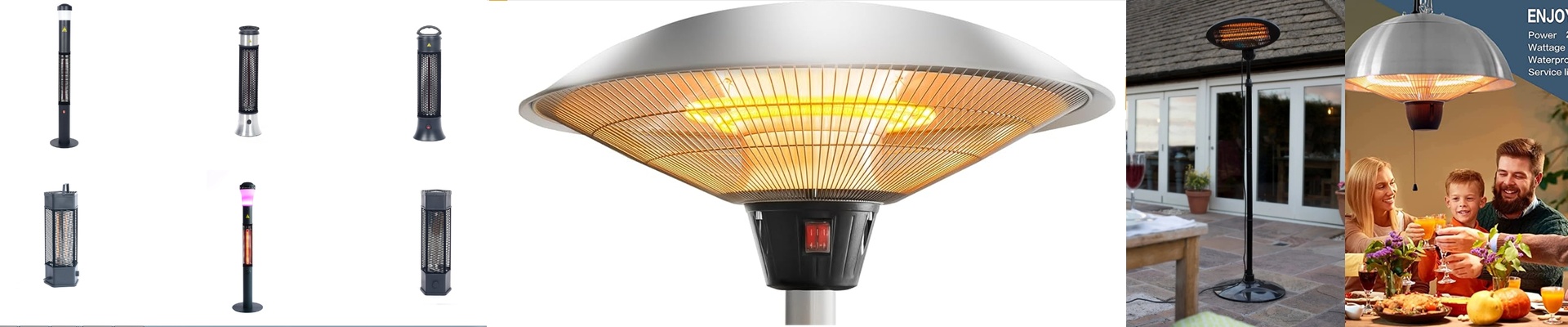
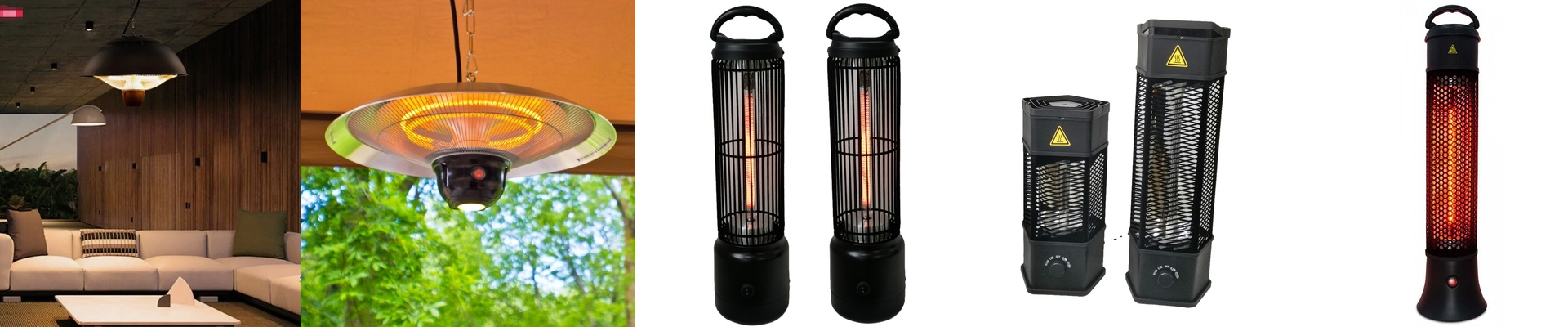
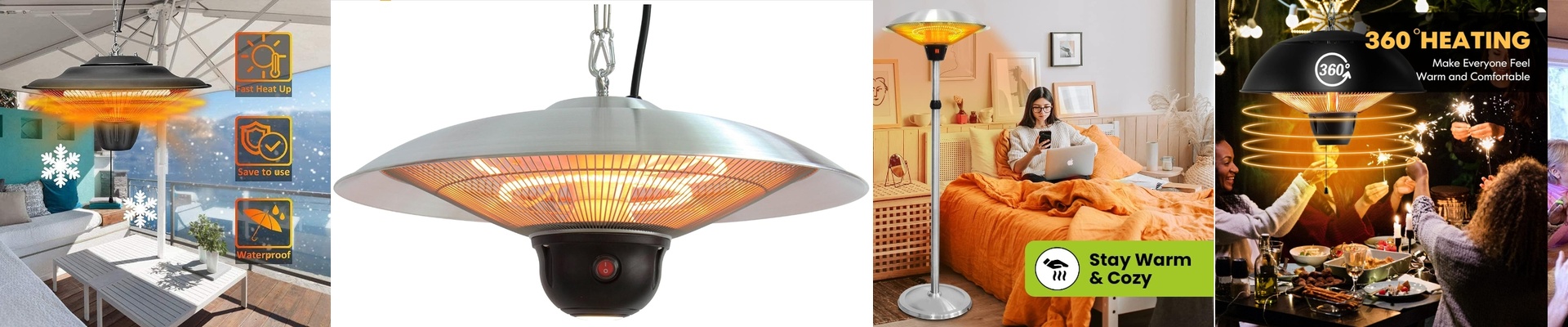
A winter evening on the patio doesn’t have to mean empty tables and staff standing around waiting for the night to end. When the air turns sharp, guests vote with their comfort—and they vote fast. The right outdoor heating is what separates a slow season from a steady stream of reservations.
What matters, technically
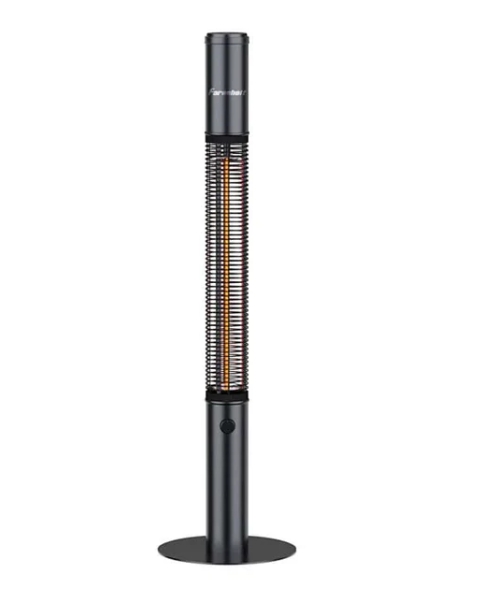
Out here, we lean on short-wave infrared heaters for commercial patios because they deliver radiant warmth straight to people and surfaces, not to the air around them. The heating element comes up to temperature quickly, and the directed beam pattern puts the comfort right where guests are sitting. Typical units run on 240V to deliver serious output, and the housings are weather-rated to take rain and wind in stride. Controls stay straightforward: an adjustable thermostat keeps the heat consistent, and tip-over protection shuts the heater off if it gets bumped. With infrared warmth, you don’t wait around for a warm-up, and there’s no noisy fan fighting the conversation.
Why this works on a busy patio
Comfort drives decisions. When guests feel warmth the moment they sit down, tables fill earlier and stay occupied longer. That means higher occupancy on cold nights and more turns per evening. Because the heat is targeted, you’re not paying to warm the whole night sky—energy goes to the people who are actually generating revenue. Patrons linger, they order dessert, and they come back. The result is a patio that earns in winter, not just in summer.
The things you’ll want to plan for
Plan for even coverage: space the heaters so their warmth overlaps across the seating area, and position them to avoid glare on tabletops. Most electric infrared heaters need a dedicated circuit and professional installation, so check your electrical panel for spare capacity before you place an order. These units are designed for dry or protected outdoor areas—they resist weather, sure, but heavy rain calls for smart mounting and careful placement to keep everything dry and safe.