



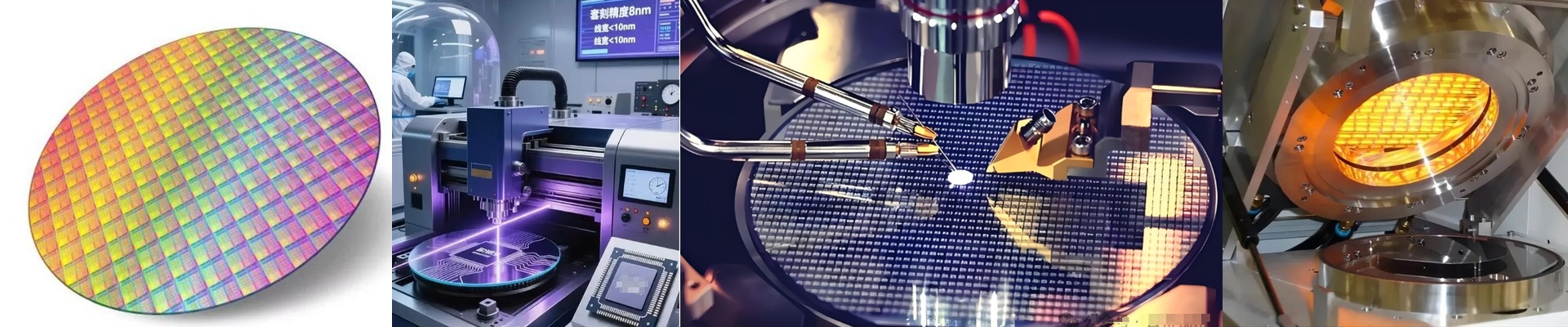
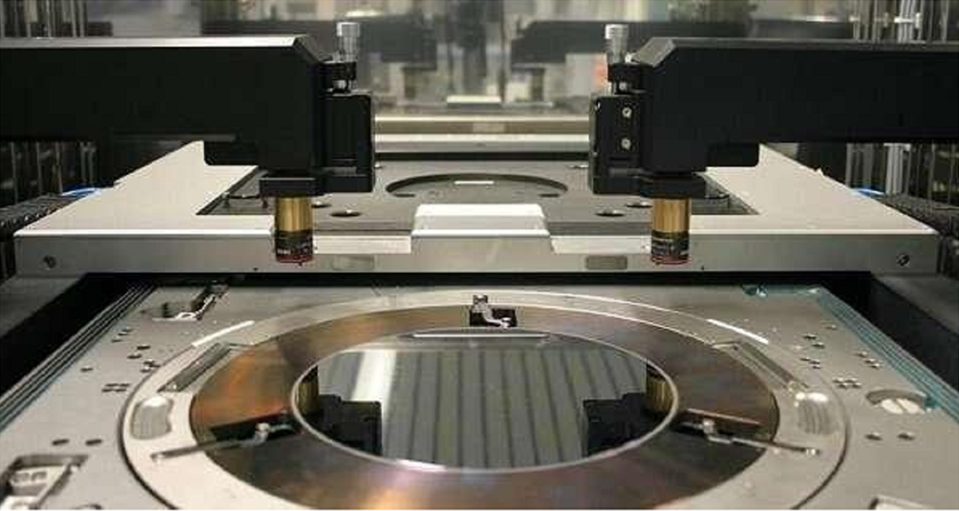
On the 300mm line, a soft bake that drifts even a fraction of a degree is enough to pull critical dimension (CD) control off spec. The heater has to stay clean and hold setpoint with repeatable discipline, lot after lot.
What actually matters
We build the heating element from high-purity quartz to keep out-gassing and metallic contamination as low as we can measure. The quartz body is shaped for fast, stable response and for thermal uniformity that keeps the process window tight. In practice, that means wafer-level temperature control stays within ±0.1°C across the bake surface. The element is compatible with cleanroom environments from Class 1 to Class 100, and it generates zero particles once it settles into steady state. Repeatability isn’t a talking point — it’s enforced through calibration traceability on every unit.
Why this matters in lithography and photoresist
In lithography and photoresist processing, the bake step is what drives off solvent and stabilizes the polymer. With our quartz heating element, the temperature across the wafer stays consistent, so soft bake and hard bake profiles repeat run after run. That stability keeps excursions down, scrap down, and yield protected. It also keeps the line running 24/7 without unplanned downtime, because the element holds output without drift and without adding particulates that would trip cleanroom alarms. Efficiency improves too, thanks to clean heat delivery and minimal standby loss.
What you need to know on the floor
Installation comes down to exact mechanical alignment and confirming electrical compatibility with the host platform. The element is sensitive to mechanical stress, so mounting has to avoid torque-induced micro-cracks. Plan a controlled ramp-up during the initial bake-out to settle the quartz and prevent any transient particle bursts. Set it up right, and the element will run for thousands of hours while keeping thermal repeatability and cleanroom compliance.