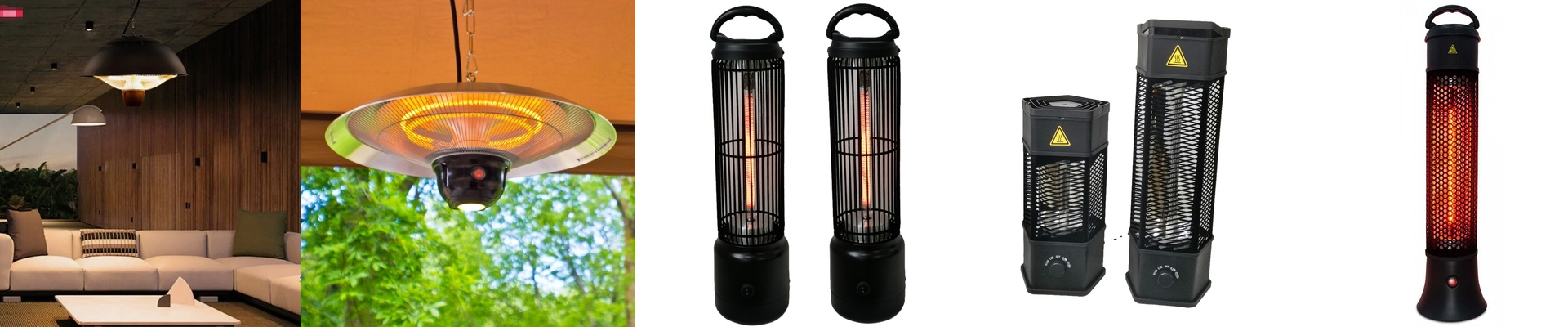
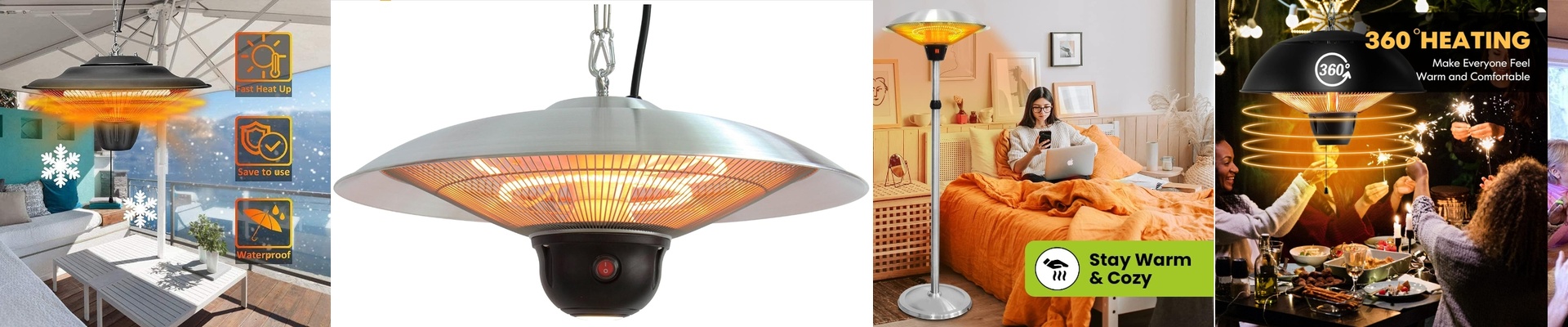

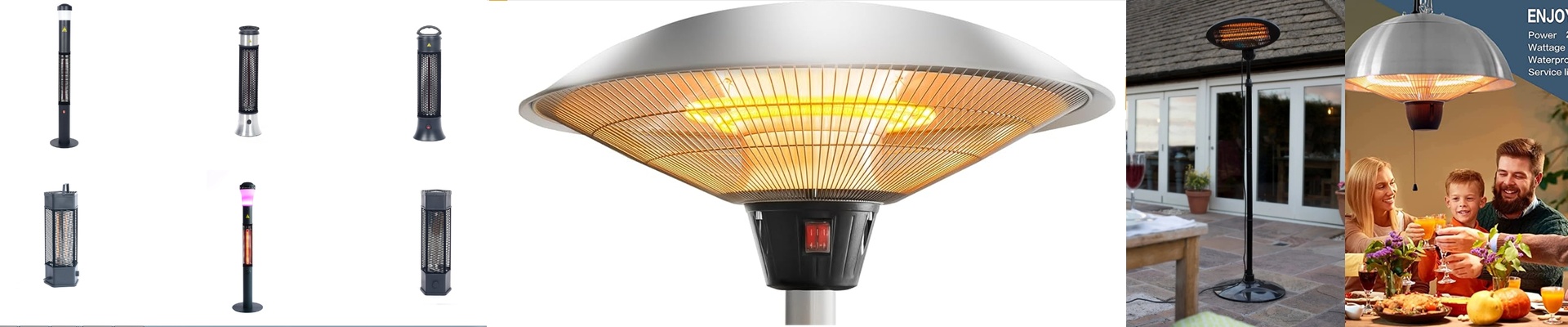
Making Bathroom Infrared Heaters Actually Comfortable
When we’re building ceiling heaters for bathrooms, the real trick isn’t just making them hot. That’s the easy part. The hard part is dealing with the light. Most standard short-wave heaters blast out this intense, broad spectrum of light. It’s harsh. It causes glare. And if you’ve got a baby in the house, that kind of blinding light is a total dealbreaker. Keeping things easy on the eyes We handle this by shifting how the light behaves. We use specific quartz tubes and internal coatings to scrub out those aggressive blue-light peaks and that annoying glare. The goal is to push the energy into the long-wave infrared band. It means the heat still sinks deep into your skin and makes you feel warm, but the room doesn’t feel like a surgery center. It’s just basic physics. We tweak the filament and the glass to block the specific wavelengths that make your eyes feel tired. You get the cozy vibes without the headache. The guts of the machine These units plug into your normal home outlets, but they pack a punch. Because the heat is so concentrated, we use high-purity quartz glass. Why? Because cheap glass gets cloudy. Even worse, impurities can cause the tube to expand unevenly and just pop. Nobody wants a dead heater mid-winter. We also use heavy-duty, heat-resistant wiring so the housing doesn’t start melting when you leave it on for a while. One quick tip: give your fixture some breathing room. If you shove these into a tight, sealed box with no airflow, the trapped heat will fry the electronics. Give it some space to breathe. The honest trade-off Here is the catch. When you filter out that harsh light to protect your eyes, you lose a tiny bit of raw power. An “eye-safe” lamp isn’t quite as efficient as a raw, unfiltered tube. You’re trading a small percentage of heating speed for a soft, safe glow. In a bathroom, that’s a trade I’ll make every single time. Safety and comfort just matter more.