



Why Gold is a Must for Your Vacuum IR Heaters
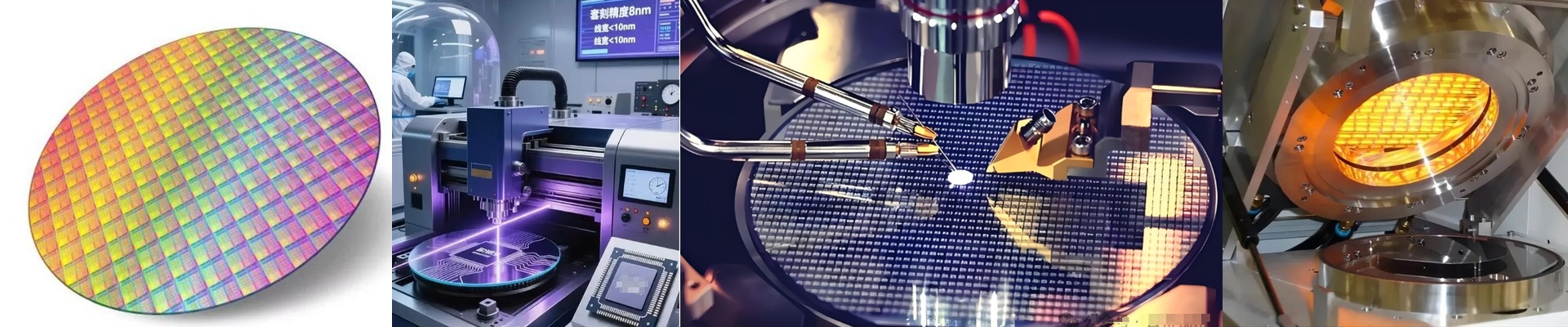
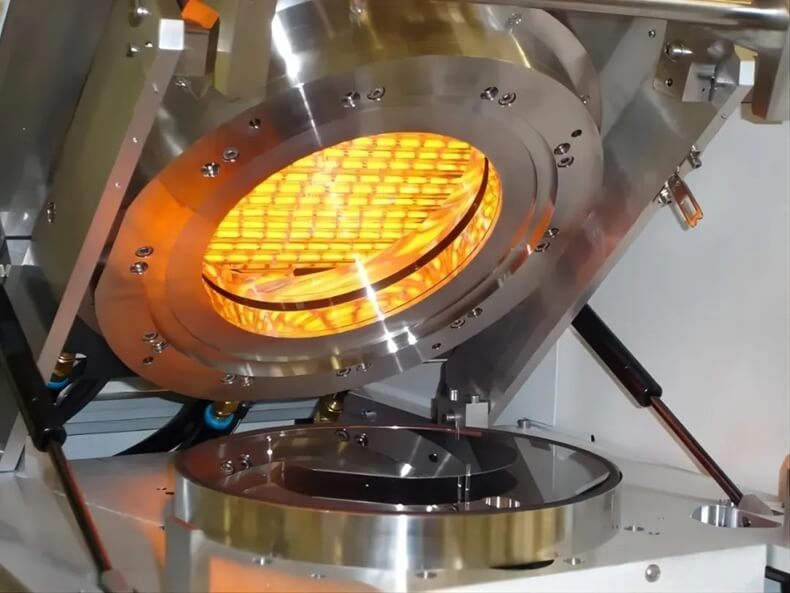
If you’re heating silicon wafers in a vacuum, you’ve probably noticed that the usual rules don’t apply. There’s no air to move the heat around, so convection is out of the picture. You’re relying entirely on radiation. Here’s the problem: if you’re using a standard polished aluminum or stainless steel reflector, you’re basically throwing money away. A huge chunk of your power just vanishes into the housing instead of hitting the wafer. That’s why we go with gold. The magic of gold reflectivity It sounds flashy, but there’s a practical reason for it. In the infrared spectrum, gold is a beast—it reflects over 98% of that radiant energy. By putting a thin layer of gold on the reflector housing, we make sure those photons actually go where they’re supposed to: straight onto the wafer. It tightens up your heat profile and gets your ramp-up times down. It’s just more efficient. Saving your hardware from the heat To get a wafer up to temperature, you need high-wattage lamps. But that much power creates a real risk. Without that gold coating, the reflector housing absorbs all the stray radiation. Before you know it, the housing is overheating, which can warp your chamber or ruin your vacuum seals. That’s a nightmare to fix. Gold keeps the heat moving toward the target and away from your machine frame. The honest trade-offs Look, gold isn’t cheap. The upfront cost is definitely higher than aluminum. And you have to be careful with how you handle it. If your team decides to scrub the reflectors with abrasive pads during maintenance, they’ll strip that gold layer right off. Once that happens, your efficiency tanks. I usually suggest checking the coating every 1,000 hours. Keep an eye out for pitting or discoloration. If you start seeing those signs, your wafers won’t hit their target temperature. The weird part? Your power meters will still show the same wattage, but the wafer surface will just lag behind. It’s a sneaky way for your performance to slip.