



Heating Your Glovebox Without the Mess
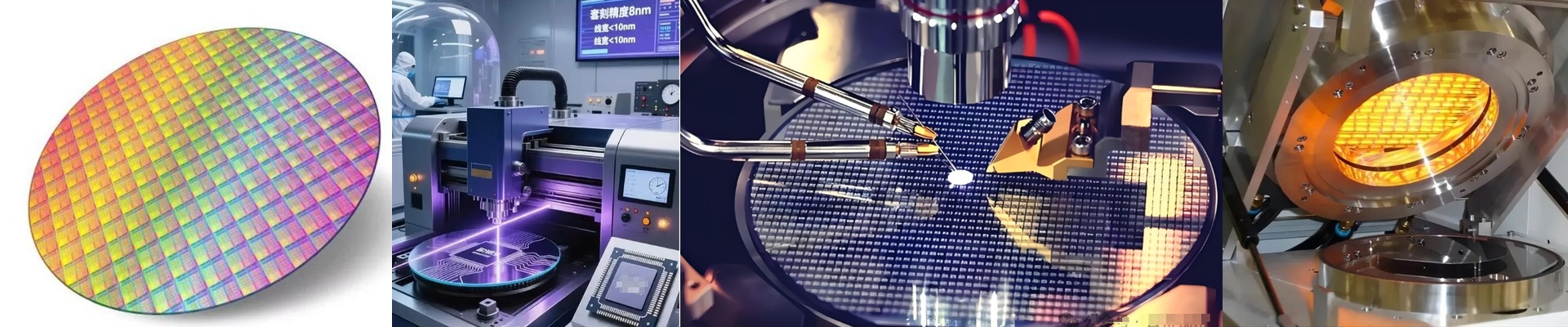
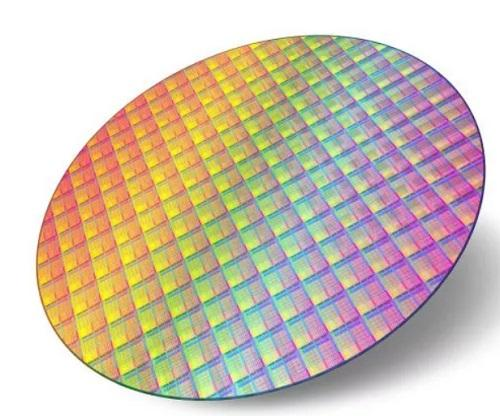
If you’re working in a Class 100 cleanroom or a sealed glovebox, you already know the struggle. Adding heat isn’t as simple as just plugging in a heater. You can’t have things outgassing, flaking, or shedding tiny bits of debris right into your process. One stray particle and your whole day is ruined. That’s why we stick with high-purity synthetic quartz for our infrared elements. It keeps metallic contamination out of the equation entirely. The deal with purity Most standard quartz has trace impurities. At high temperatures, those impurities can actually turn into gas. Not great. We use a fused silica structure specifically to stop that from happening. It means the lamp won’t shed microscopic particles as it heats up and cools down. When you’re handling pharmaceutical materials or semiconductor-grade wafers, this is the only way to keep things truly clean. Getting the setup right We build these to handle a lot of heat without messing up your vacuum or inert gas environment. Whether you’re looking for shortwave or medium-wave output, the real secret is in the seal. We use specialized electrodes and high-grade seals so you don’t have to worry about leaks at the connection points. One thing to keep in mind: the more wattage you cram into a small space, the more stress you put on the quartz. If you go for a high-wattage tube in a tight footprint, just make sure your ventilation can pull that ambient heat away from any sensitive electronics nearby. You don’t want to cook your controller. Installing and plugging it in These are designed to be drop-in replacements for your existing IR arrays, so you aren’t rebuilding your whole rig. We offer a few different connector options to keep the wiring simple. Since these things get incredibly hot, I always suggest using gold-plated or high-temp alloy contacts. It stops oxidation at the terminal. Here is the scary part: poor contact leads to arcing. Arcing creates particles. In a Class 100 environment, a single arc can trash a whole batch of wafers. It’s a nightmare. Just stick to the voltage specs and your filaments will last a long time.