

Why We Built These Heaters
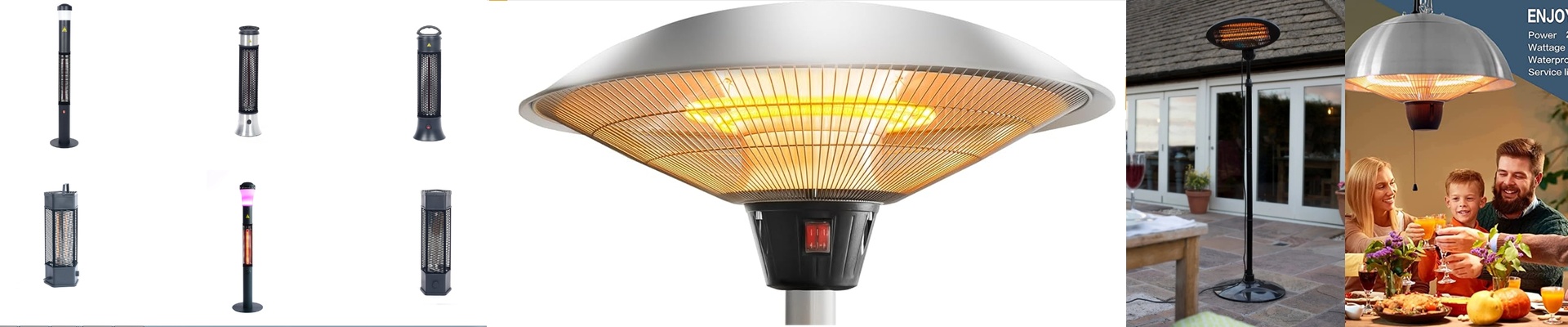
Here’s the simple truth behind our indoor electric infrared heaters: we wanted warmth that lands right where you need it. Not the whole room. Not the air. Just you, your crew, and your workspace. Instead of wasting energy heating air that drifts away, our units send thermal energy straight to the people and objects that need it. That means faster warmth and lower running costs. But—and this matters—the physics only work if the heater is installed right. The mounting height directly shapes how intense the warmth feels on the target surface.
Power, Voltage, and Where to Hang It
We designed these heaters to run on standard electrical setups—typically 220V or 240V—with power options from 1000W up to 2500W. The basic idea is straightforward: the more power, the stronger the beam. A 2500W unit delivers higher intensity than a 1000W unit, while the beam angle stays the same. Where you mount the heater changes the heat flux. Too high, and the energy spreads out, thinning the warmth. Too low, and you get hot spots and patchy coverage. For a standard 15-degree beam angle, mounting at about 2.5 meters usually gives a balanced thermal footprint in a typical room. Raise or lower the unit, and you directly change how many watts per square meter reach the floor.
The Core: Quartz Tube and a Tough Connection
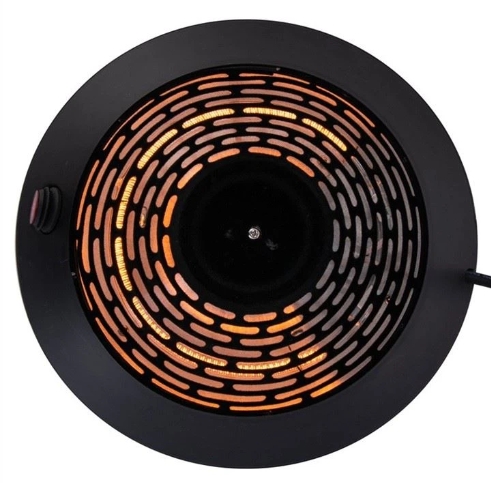
Inside, we use a quartz tube with a halogen filament. This setup heats up fast and produces shortwave infrared radiation that passes through the air without heating it. The halogen cycle helps keep the filament clean, so the heater stays reliable longer. For the electrical connection, we use R7s connectors. This double-ended pin design is an industry standard for a reason: it handles the high current these heaters draw and stays secure even with vibration. It also drops right into most industrial sockets, which makes wiring on the shop floor simpler.
Making It Work Where You Work
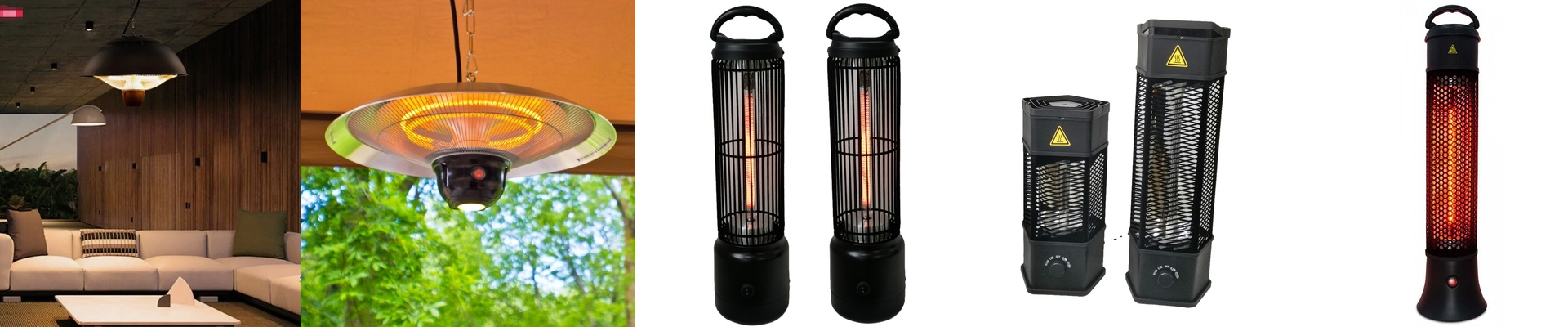
In a workshop or production area, time is money. The goal is simple: warm the operator, not the entire building. When you set the right mounting height and angle, the thermal energy goes exactly where you want it. That cuts energy waste and eases the load on your building’s HVAC system. There is a trade-off, though. Higher wattage means higher heat density, and that means your surrounding equipment needs cooling that can keep up. You have to match the cooling to the heater’s output so nearby machinery doesn’t overheat. Get the height right, and you get a clean, targeted heat zone—comfortable people without wasted power.