


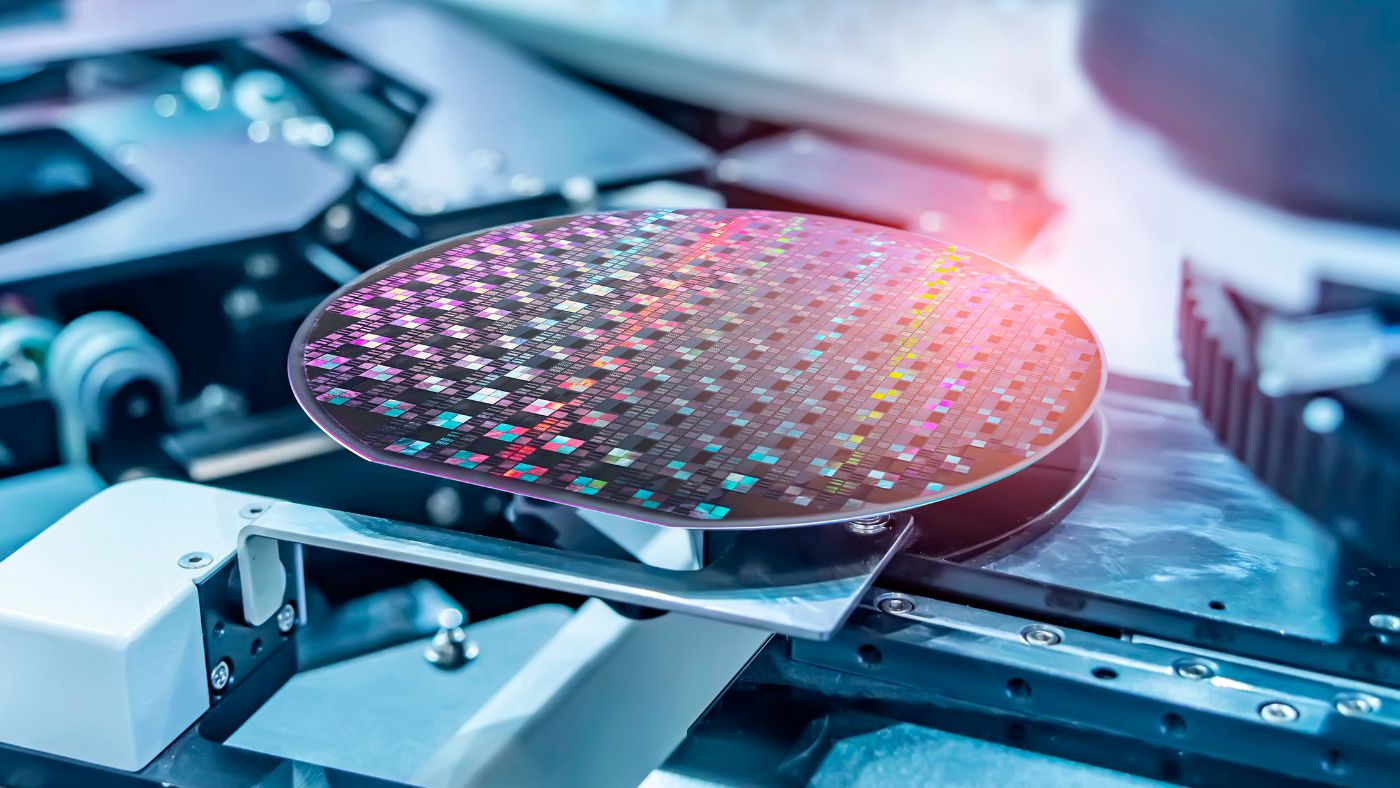
Stop the Shrapnel: Keeping Your Bio-Sensors Clean
In the world of bio-sensor fabrication, a lamp burst is a nightmare. It’s not just about the machine being down for a few hours. It’s a total mess. Imagine a quartz tube failing right over your wafer. Glass shards and tungsten filaments rain down on the substrate. Just like that, the whole batch is trash. And the worst part? You now have to scrub the entire clean room. It’s a grueling, expensive disaster. How we stop the crash We build our infrared lamps with one main goal: containment. We don’t want anything hitting your wafers. To make that happen, we add a secondary protective sleeve or a high-strength quartz envelope. Think of it as a safety net. If the inner heating element gives out, the fragments stay trapped inside the housing. They never reach your work. We also stick to high-purity synthetic quartz. Why? Because rapid cycling creates massive thermal shock. Cheap glass just can’t take it—it cracks under the pressure of a heavy production load. Our tubes are built to hold together even when you’re pushing them to the limit. Dealing with the heat Running at high loads puts a ton of stress on the lamp seals. We use a specific pinch-seal technique to keep the gas where it belongs. Here’s the thing: if that halogen gas leaks, the filament burns out almost instantly. We’ve seen this happen all the time with those “budget” replacements. They just aren’t built for the heat density you need for bio-sensor curing. And a quick tip on power—match your supply to the lamp’s voltage exactly. It’s tempting to over-volt a tube to get a faster ramp-up, but that’s a gamble. You’ll shorten the lamp’s life and significantly increase the chance of a blowout. The trade-off Now, there is a catch. Adding shielding or using thicker quartz means a little bit of that IR transmission doesn’t reach the wafer. You lose a tiny bit of efficiency. But honestly? It’s a trade worth making. I’d much rather run a lamp for an extra 30 seconds than scrap a thousand wafers because a tube shattered. It’s just a smarter way to work.