


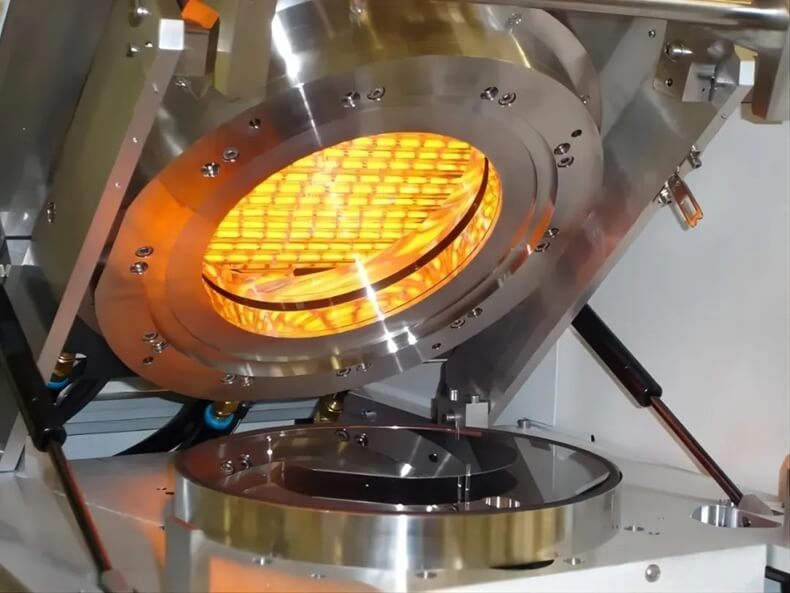
Why IR Heating Beats Forced Air for Bio-Sensors
When you’re making bio-sensors, getting the curing and dehydration just right is everything. A lot of shops are still using those old-school hot air ovens. They work, sure. But the physics of moving air around creates a massive bottleneck. In the world of semiconductor processing, time is the only metric that actually matters. Every second you waste is money gone. Here’s the thing about forced air: it’s slow. You have to heat up the air first, then wait for that air to transfer the heat to your substrate. It’s a laggy process. Infrared (IR) lamps do things differently. They don’t bother with the air at all. Instead, they use electromagnetic radiation to shake up the molecules inside the bio-sensor material directly. It’s nearly instant. You go from room temperature to your target in seconds. Not minutes.**Seconds.**That completely changes how your whole process window looks. Plus, your floor space opens up. You can ditch the massive blower motors and those bulky, insulated chambers used to keep the air steady. Short-wave IR packs a lot of punch. You can swap out a convection zone for IR and suddenly you’re running your conveyors faster without worrying about under-curing the layers. There’s a reason IR is the gold standard for scaling up—it just kills the “thermal inertia” that makes air systems feel like they’re dragging their feet. But look, IR isn’t some magic wand. It’s intense. Because the heat is so concentrated, you have to be careful. If your substrate is thin or a bit finicky, you can end up with “hot spots” if your lamp geometry isn’t dialed in. You’ve got to find that sweet spot between wattage and distance to make sure the heat hits the wafer evenly. If you get the calibration wrong, you’ll fry the organic layers of the sensor. It’s that simple. You need a rock-solid power supply and precise PID control to keep things stable. Get the distance wrong?You’re scrapping the whole batch.