


IR Heating vs. Hot Air: Which one actually works for biosensors?
When you’re fabricating biosensors, the curing and drying stages are where things either click or fall apart. A lot of shops are still stuck using hot air circulation—you know, the standard convection ovens. But lately, we’ve seen a big move toward infrared (IR) lamps. Why? Because in the world of semiconductor processing, time is literally money.
The way heat actually moves
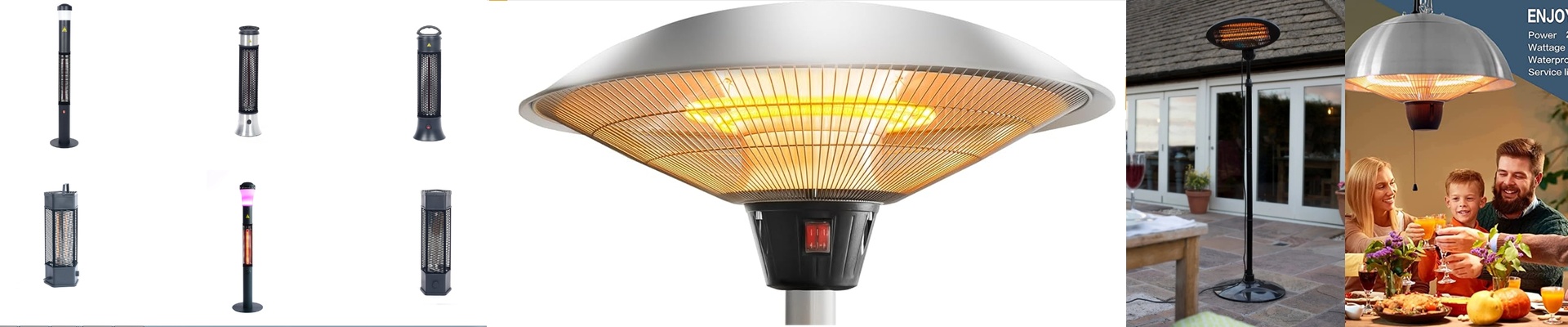
Here is the thing about hot air: it’s slow. You have to heat the air, and then the air has to heat your substrate. There’s always this annoying lag. IR lamps are different. They use electromagnetic radiation to dump energy directly into the sensor material. They don’t bother warming up the air around them; they just go straight for the target. The difference in speed is wild. IR lamps hit your target temperature in seconds. Forced air? That takes minutes. When you’re pushing high-volume batches, those lost minutes turn into hours of wasted time every single shift. It’s frustrating to watch.
Space and Precision
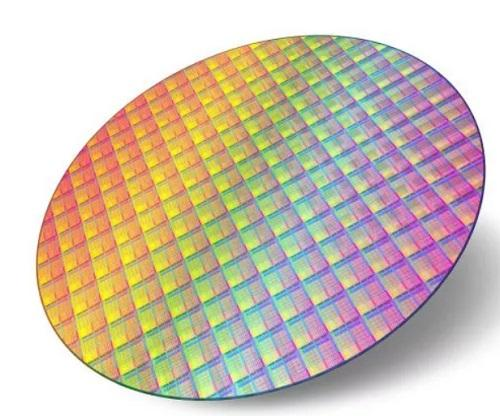
One of the best parts about IR is the control. You can hit specific zones on a wafer or a sensor array without baking the entire chamber. This is huge because it stops those sensitive substrates from warping. Plus, you can get rid of the bulky blowers and massive ducting. Your equipment footprint shrinks. Suddenly, you have room for more processing stations in the same cleanroom without feeling like you’re tripping over everything.
The “Catch”
Now, it’s not all perfect. IR is fast—maybe too fast. It doesn’t have that air buffer to soften the blow. If your power controller spikes, your substrate feels it immediately. You’ll need a really tight PID controller, or you risk scorching your bio-layers. There’s also the issue of “depth.” Since the surface heats up instantly, thicker substrates can end up with a thermal gradient—where the top is sizzling but the bottom is still lagging behind. You have to be smart about your lamp distance and wattage to make sure the heat actually penetrates the material. If you’re trying to tighten up your cycles and get more precision, swapping out convection for IR is usually the way to go. It’s a straightforward change to the heating stage that just makes the whole fabrication clock run faster.