



Why an Infrared Heater is Just What You Need
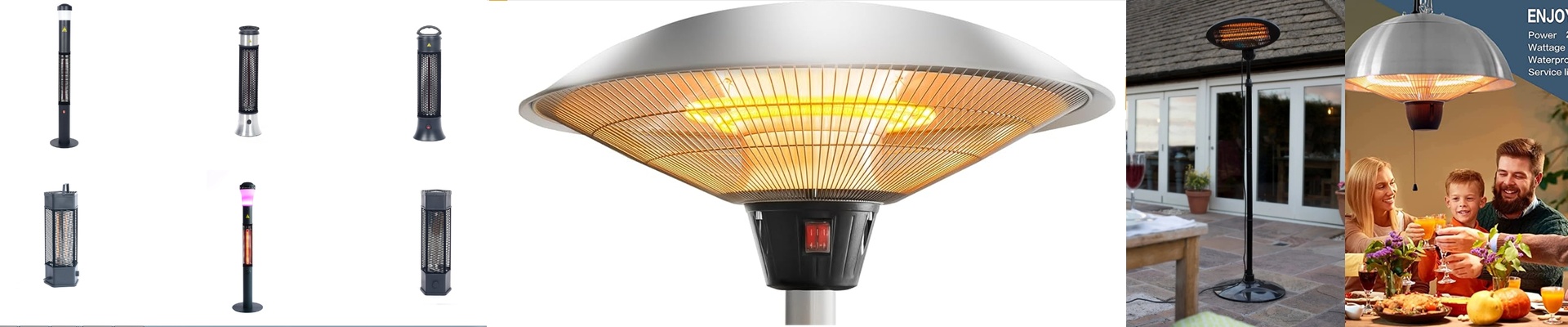
We built these infrared heaters for one simple reason: to get warmth right where you need it. Think about a modern office. Instead of just pushing warm air around, these heaters warm the people and the surfaces directly. It feels better. It’s more comfortable. And because the air isn’t constantly being churned, you’re not stirring up dust or drying everything out. That helps everyone breathe a little easier during cold season.
Let’s Talk Power, Voltage, and Size
We size these heaters to fit real spaces, not just spec sheets. Most units run on 220V-240V or 380V-400V, pulling between 1000W and 2500W, depending on what you need to cover. The tubes range from about 300mm to 1200mm long, which gives you a clear feel for the heat spread. More power packed into a shorter tube means serious heat density. But that also means your electrical circuit needs to be up to the job. Plan your wiring and cooling ahead of time—it makes the installation go smoothly.
The Heart of It: Materials and Design
At the core is a halogen-filled quartz tube. Why? Because it heats up fast and holds steady. The filament and gas fill keep the temperature consistent, even when the heater cycles on and off. That means fewer worries about burnouts. The tube also has a reflective coating that pushes the infrared energy forward, so you’re not wasting heat. And we make installation easy. The R7s connector is a standard two-pin setup, so the lamp is a simple drop-in replacement. Just line up the pins, seat the tube, and wire it up. Done.
How It Works in an Office (And Why It Matters)
In an office, this setup warms desks, floors, and the people sitting there—directly. The comfort is immediate, and there’s barely any air movement. That’s a big deal for keeping dust and allergens from circulating. When a door opens, the heater recovers quickly. Even when the room temperature shifts, the output stays steady. Now, there’s a trade-off. You get strong, focused heat, so you’ll want to pair it with smart zoning and ventilation to avoid hot spots. For engineers, that means a system that’s clean on paper, quick to install, and built to run with minimal fuss.