
Introduction
We’ve been hearing the same question from plant managers lately, and it’s a smart one. They’re wondering if it’s worth making the switch from those old electric oil-filled radiators to our high-output infrared halogen heaters. The big question is always: What’s the real power saving when we get the same level of warmth? The answer comes down to the basics of how heat actually moves—one way is by warming the air, the other is by warming you directly.
Here’s the Real Difference: Power and Efficiency
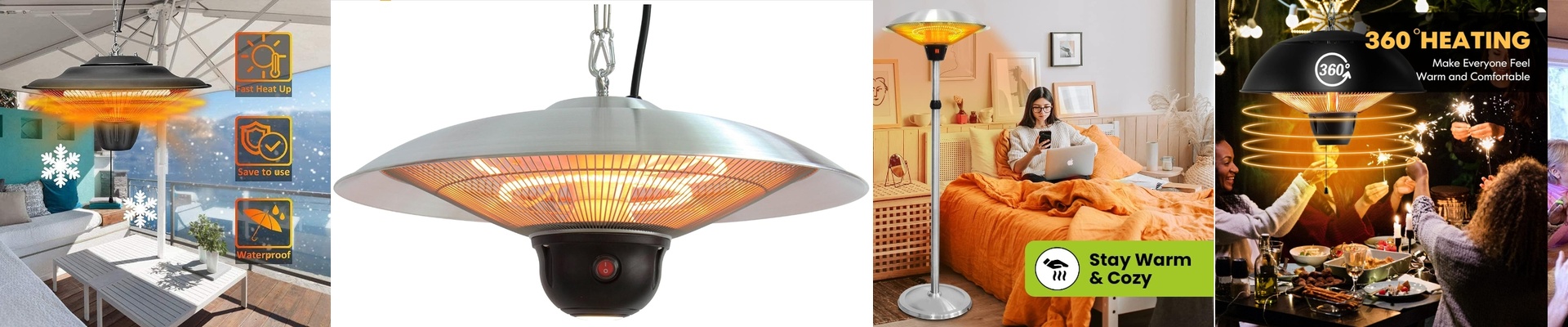
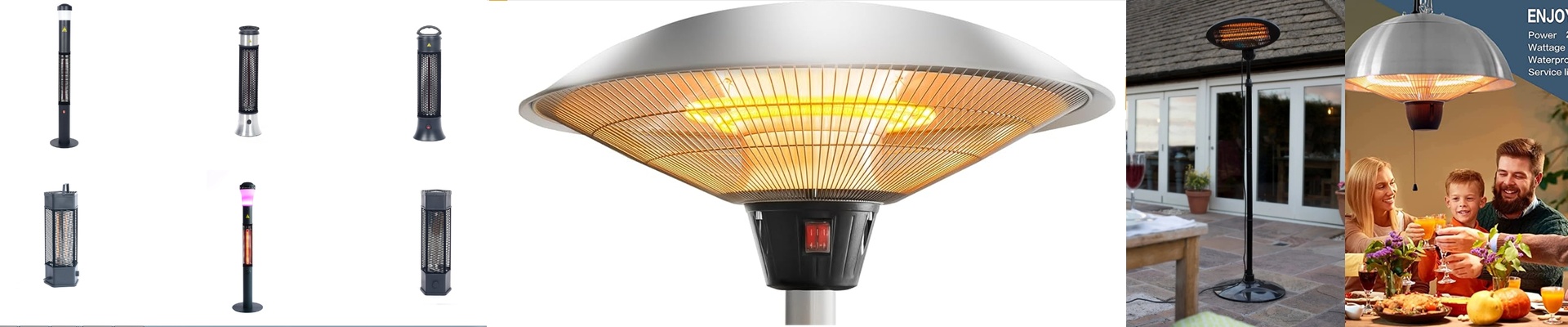
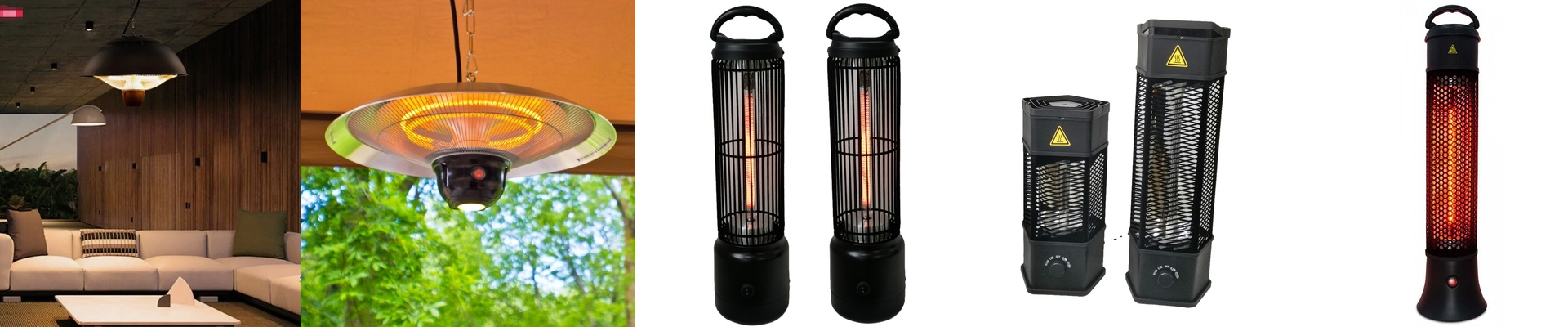
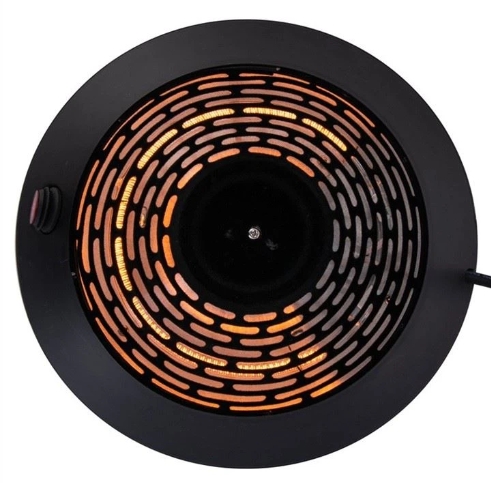
Think about how those traditional oil-filled heaters work. They slowly warm up the air, and then that air has to travel around the space to finally reach you. It’s a slow process, and you lose a ton of energy to the air that never even makes it to the people you’re trying to warm. Our halogen heaters are totally different. They use shortwave infrared technology to send the heat straight to people and objects. It’s like standing in a patch of sunlight on a cool day. Because the heat goes right where it’s needed, you feel warm almost instantly. And get this—for the same level of comfort, our infrared units use way less power. For example, a 1200W infrared heater can give you the same warmth as a 2000W convection heater. That’s a straight-up 40% drop in energy use for the same cozy feeling.
What Makes Them So Tough? The Specs.
The efficiency is all in the design. The heating element sits inside a high-purity quartz tube, which lets it heat up fast and run at high temperatures. Inside, a halogen gas cycle protects the filament, which means the lamp lasts longer and the output stays steady. We build these things to last. The connectors, like the R7s base, are made for a secure, low-resistance connection. The reflector coating is there to focus the heat where you need it, so nothing is wasted. These aren’t delicate parts. They’re rugged components built to handle the grind of an industrial setting.
How It Works in the Real World (and What It Saves You)
The savings get even better when you’re dealing with outdoor or semi-open spaces. Convection heaters just struggle in those conditions. They pour energy into warming air that immediately escapes, which is like trying to fill a bucket with a hole in it. Our infrared heaters, on the other hand, focus all that energy right where you need it. Now, there is one thing to keep in mind: heat density. A high-wattage unit puts out intense, focused warmth, so your machine’s cooling system needs to be ready for the temperature rise. But for engineers, it means lower energy bills and a solution that’s easier to wire and maintain than those bulky oil-filled heaters. The bottom line is a real, measurable cut in operational costs—not just numbers on a spec sheet.